What are the safety regulations for using PE - X Pipe in a gas supply system?
Leave a message

Hey there! As a supplier of PE - X pipes, I often get asked about the safety regulations for using these pipes in a gas supply system. It's a crucial topic, and I'm here to break it down for you.
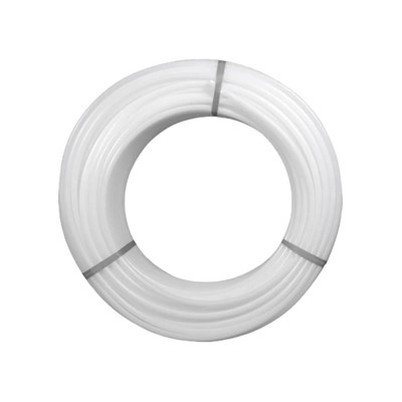
First off, let's understand what PE - X pipes are. PE - X stands for cross - linked polyethylene. These pipes are known for their flexibility, durability, and resistance to chemicals. They've been used in various plumbing applications for a long time, but when it comes to gas supply systems, things get a bit more serious.
One of the most important safety regulations is about the material quality. The PE - X pipes used in gas supply systems need to meet certain standards. For example, the PE - Xa Pipe ISO15875 follows the ISO 15875 standard. This standard ensures that the pipes have the right mechanical properties, like strength and flexibility, to handle the pressure and flow of gas. It also sets guidelines for the chemical composition of the pipe material, making sure it doesn't react with the gas or other substances in the system.
Another key aspect is the installation process. Installing PE - X pipes in a gas supply system isn't something you can do on a whim. There are strict rules about how the pipes should be laid, connected, and supported. For instance, the pipes should be installed in a way that they're protected from physical damage. This means avoiding areas where they could be easily hit or crushed, like near heavy machinery or in high - traffic areas.
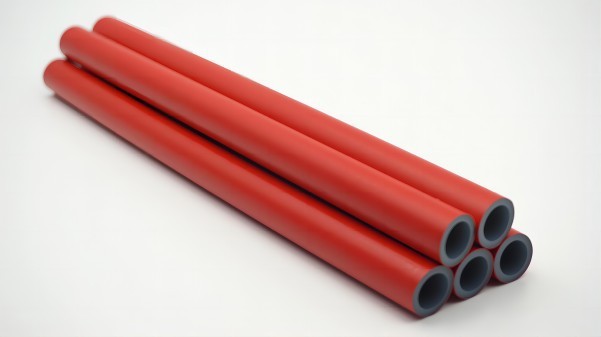

When it comes to connections, only approved fittings should be used. These fittings are designed to create a tight and secure seal, preventing gas leaks. Improper connections are one of the leading causes of gas leaks, which can be extremely dangerous. So, always make sure that whoever is installing the pipes is a qualified professional who knows the ins and outs of the installation regulations.
Pressure testing is also a must. Before the gas supply system is put into operation, the PE - X pipes need to be tested to ensure they can handle the expected pressure. This involves filling the pipes with a non - flammable gas (usually air or nitrogen) and increasing the pressure to a specified level for a certain period. If there are any leaks or weaknesses in the pipes or connections, they'll be detected during this test.
Now, let's talk about the environmental factors. PE - X pipes should be installed in an environment where the temperature and humidity are within the recommended range. Extreme temperatures can affect the performance of the pipes. For example, if it's too cold, the pipes can become brittle and more prone to cracking. On the other hand, if it's too hot, the pipes can expand and potentially cause problems with the connections.
In addition to these general safety regulations, there are also specific requirements for different types of gas supply systems. For example, if it's a residential gas supply system, there might be different rules compared to an industrial one. Residential systems usually have lower pressure requirements, but they still need to meet high safety standards to protect the occupants of the building.
The PE - Xa Pipe for Plumbing Pipe is another option that can be considered in some cases. However, when using it for gas supply, you need to make sure it meets all the relevant gas - specific regulations. Just because it's suitable for plumbing doesn't mean it can be directly used in a gas system without proper checks.
The PE - Xa Pipe NSF is also important. The NSF (National Sanitation Foundation) certification indicates that the pipe meets certain health and safety standards. While it's not a substitute for gas - specific regulations, it does add an extra layer of assurance about the quality of the pipe material.
Regular inspections are essential for maintaining the safety of the gas supply system. Over time, the pipes can experience wear and tear, and connections can loosen. Inspections should be carried out at regular intervals by a qualified inspector. They'll check for signs of damage, leaks, and any other issues that could compromise the safety of the system.
Documentation is also a crucial part of the safety process. All installation details, including the type of pipes used, the installation date, and the results of pressure tests, should be properly documented. This documentation can be used for future reference, especially during inspections or if there are any issues with the system.
So, if you're thinking about using PE - X pipes in a gas supply system, make sure you're fully aware of all the safety regulations. And if you're looking for high - quality PE - X pipes that meet all the necessary standards, I'm here to help. As a supplier, I can provide you with pipes that are compliant with the relevant regulations and offer support throughout the installation process.
If you're interested in learning more or purchasing our PE - X pipes for your gas supply system, don't hesitate to reach out. We can have a chat about your specific needs and find the best solution for you.
References:
- ISO 15875 standard documentation
- National Sanitation Foundation (NSF) guidelines
- Local gas supply system safety regulations