Is PERT Pipe affected by soil conditions when buried?
Leave a message

Hey there! As a PERT Pipe supplier, I've gotten a ton of questions from customers about how soil conditions can impact PERT pipes when they're buried. So, I thought I'd sit down and write this blog to share some insights on this topic.
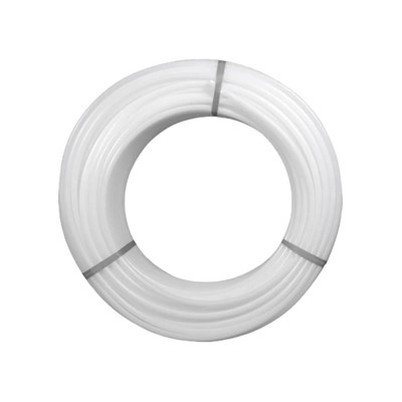
First off, let's talk about what PERT pipes are. PERT, or Polyethylene Raised Temperature, is a type of plastic pipe that's widely used in various applications, like floor heating systems, domestic water supply, and even in some industrial settings. It's known for its flexibility, good heat resistance, and long - term durability. But when it comes to burying these pipes, soil conditions play a crucial role.
One of the most significant factors in soil is its composition. Soils can be classified into different types, such as sandy soil, clay soil, and loamy soil. Sandy soil is made up of large particles, which means it has good drainage. When PERT pipes are buried in sandy soil, there's less risk of waterlogging around the pipes. This is great because excessive water around the pipes can lead to corrosion in some cases, although PERT pipes are generally resistant to corrosion. However, sandy soil is not very stable. It can shift and move easily, especially during heavy rain or seismic activities. This movement can put stress on the PERT pipes. If the stress is too high, it might cause the pipes to crack or break. You can check out more about PERT Tube to understand its structure and how it might handle such stress.
On the other hand, clay soil has very fine particles. It retains water well, which means there's a higher chance of water accumulation around the buried PERT pipes. When the water freezes in cold weather, it expands. This expansion can exert a lot of pressure on the pipes, potentially causing them to burst. Also, clay soil can shrink when it dries out. This shrink - swell cycle can lead to the pipes being pulled and bent, which can damage the pipe over time.
Loamy soil is considered the ideal soil type for burying PERT pipes. It's a mixture of sand, silt, and clay, which gives it good drainage and stability. It doesn't expand or shrink as much as clay soil, and it's more stable than sandy soil. When PERT pipes are buried in loamy soil, they're less likely to experience the extreme stress caused by soil movement or water accumulation.
Another important aspect of soil conditions is the soil's pH level. The pH of soil can range from acidic to alkaline. Acidic soil can have a pH as low as 3, while alkaline soil can have a pH of 9 or higher. PERT pipes are generally resistant to a wide range of pH levels. But in extremely acidic or alkaline conditions, the long - term performance of the pipes might be affected. For example, in highly acidic soil, the pipe's outer layer might start to degrade over time, which could reduce its strength and durability.
The presence of rocks and boulders in the soil is also a concern. When burying PERT pipes, if there are large rocks in the soil, they can puncture or damage the pipes during the installation process. Even after installation, the movement of these rocks due to soil settlement or external forces can rub against the pipes, causing abrasion. This abrasion can weaken the pipe's structure and make it more prone to leaks.
Soil temperature is yet another factor. PERT pipes are designed to work well within a certain temperature range. In colder regions, the soil temperature can drop significantly, especially during winter. If the soil temperature gets too low, the PERT pipes can become more brittle. This brittleness increases the risk of cracking when the pipes are subjected to any kind of stress, like soil movement or water pressure changes. In warmer regions, high soil temperatures can cause the pipes to expand. If the pipes are not installed with proper expansion joints, this expansion can lead to buckling or deformation of the pipes.
To mitigate the effects of different soil conditions, proper installation techniques are crucial. For example, when burying PERT pipes in sandy soil, it might be a good idea to use a bedding material around the pipes. This bedding material can provide additional support and reduce the impact of soil movement. In clay soil, installing a drainage system around the pipes can help prevent water accumulation. And when dealing with rocky soil, the area where the pipes will be buried should be carefully cleared of large rocks or have a protective layer installed over the pipes.


In conclusion, soil conditions do have a significant impact on PERT pipes when they're buried. As a PERT Pipe supplier, I always recommend that customers assess the soil conditions at the installation site before starting the project. By understanding the potential challenges posed by the soil, appropriate measures can be taken to ensure the long - term performance of the PERT pipes.
If you're in the market for PERT pipes and have questions about how they'll perform in your specific soil conditions, don't hesitate to reach out. We're here to help you make the right choice for your project. Whether it's a small domestic water supply system or a large - scale industrial application, we've got the expertise and the products to meet your needs. Let's have a chat and see how we can work together to ensure your project's success.
References
- "Plastic Pipes Handbook" by R. K. Shah
- "Soil Mechanics and Foundation Engineering" by A. S. Varghese