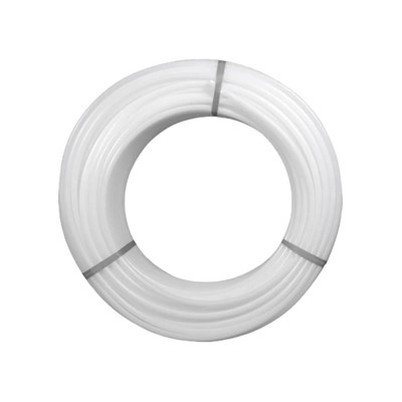
How does temperature affect the performance of a 2 inch PEX pipe?
Leave a message

Hey there! I'm a supplier of 2 inch PEX pipes, and today I wanna chat about how temperature affects the performance of these pipes. PEX, or cross-linked polyethylene, is a popular choice for plumbing and heating systems due to its flexibility, durability, and resistance to corrosion. But like any material, its performance can be influenced by temperature.
Low - Temperature Effects
Let's start with the cold. When the temperature drops, PEX pipes become more rigid. This is because the polymer chains in the PEX material slow down their movement as the temperature decreases. At extremely low temperatures, say below freezing (0°C or 32°F), the risk of the pipe becoming brittle increases.
If water inside the 2 - inch PEX pipe freezes, it expands. Since PEX has some flexibility, it can withstand a certain amount of this expansion better than some other materials like copper or PVC. However, if the freezing is severe and the expansion is too great, the pipe can still burst. This is a major concern in areas with harsh winters.
Another aspect to consider at low temperatures is the installation. Cold PEX pipes are harder to bend. During installation, if you try to force a bend in a cold pipe, it can cause internal stress. Over time, these stressed areas may become weak points and are more likely to develop leaks. So, when working with 2 - inch PEX pipes in cold weather, it's important to take extra care. You might need to warm the pipe slightly to make it more pliable for bending, but be careful not to overheat it.
High - Temperature Effects
Now, let's talk about high temperatures. PEX pipes are designed to handle a certain range of hot water. Most 2 - inch PEX pipes can handle water temperatures up to around 95°C (203°F) for short periods. But as the temperature rises, the pipe's properties change.
One of the main effects of high temperature is that the PEX material softens. This softening can lead to a decrease in the pipe's pressure - bearing capacity. If the water pressure in the system is high and the pipe is at a high temperature, there's an increased risk of the pipe expanding or even bursting.
Moreover, high temperatures can accelerate the degradation of the PEX material. Oxidation can occur more rapidly at elevated temperatures, which can reduce the pipe's lifespan. This is why it's crucial to use oxygen - barrier PEX pipes in heating systems where the water is constantly hot. The oxygen - barrier helps prevent oxygen from diffusing into the water, which in turn reduces the oxidation of the pipe.
In a floor - heating system, for example, the temperature needs to be carefully controlled. Using PEX Pipe for Floor Heating that is specifically designed for this application can ensure better performance at the typical operating temperatures of floor - heating systems.


Temperature and Flow Characteristics
Temperature also affects the flow of water through the 2 - inch PEX pipe. At low temperatures, the viscosity of water increases. This means that the water flows more slowly through the pipe. As a result, you might experience reduced water pressure at the fixtures, like faucets or showerheads.
On the other hand, at high temperatures, the water's viscosity decreases, and it flows more easily. But if the pipe is softened due to the high temperature, the increased flow rate can put more stress on the pipe walls.
Impact on Joints
The joints in a PEX pipe system are also affected by temperature. At low temperatures, the fittings may contract more than the PEX pipe itself. This can lead to a loosening of the joint over time, increasing the risk of leaks.
At high temperatures, the opposite can happen. The PEX pipe may expand more than the fittings. This can also cause stress on the joint and potentially lead to leaks. Using high - quality fittings like Ppsu Elbow 90° can help mitigate these issues. These fittings are designed to have a similar coefficient of thermal expansion as the PEX pipe, reducing the stress on the joints due to temperature changes.
Applications and Temperature Considerations
Different applications of 2 - inch PEX pipes have different temperature requirements. For plumbing systems in residential buildings, the water temperature usually ranges from cold tap water to hot water for showers and dishwashing. In this case, the pipes need to be able to handle a wide range of temperatures without significant performance degradation.
In industrial applications, the temperature requirements can be more extreme. For example, in some manufacturing processes, the water used in the pipes may be very hot. Using PE - Xa Pipe for Plumbing Pipe which has better high - temperature resistance can be a good choice for such applications.
Conclusion
As you can see, temperature has a significant impact on the performance of 2 - inch PEX pipes. Whether it's low - temperature brittleness, high - temperature softening, or the effects on joints and flow characteristics, it's essential to take temperature into account when choosing, installing, and using these pipes.
If you're in the market for 2 - inch PEX pipes, or if you have any questions about how temperature might affect your specific application, don't hesitate to reach out. I'm here to help you make the right choice for your plumbing or heating needs. Let's have a chat and figure out the best solution together.
References
- "Handbook of Polymer Science and Technology"
- "Plumbing Engineering: Design and Installation"