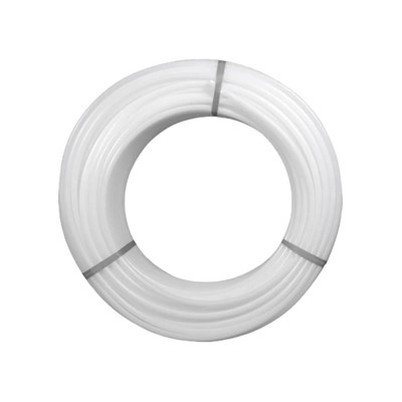
Can a 2 inch PEX pipe be used in a septic system?
Leave a message

As a supplier of 2 - inch PEX pipes, I often get asked whether these pipes can be used in a septic system. It's a valid question, considering the unique requirements and challenges of septic systems. In this blog post, I'll delve into the details of using 2 - inch PEX pipes in septic systems, weighing the pros and cons, and providing scientific and practical insights.
Understanding Septic Systems
Before discussing the suitability of 2 - inch PEX pipes, it's essential to understand how septic systems work. A septic system is an on - site wastewater treatment system commonly used in rural and suburban areas where there is no access to a municipal sewer system. It consists of a septic tank and a drainfield.
The septic tank receives wastewater from the household. Inside the tank, solid waste settles to the bottom (sludge), and lighter materials like grease and oil float to the top (scum). The liquid portion, known as effluent, then flows out of the tank and into the drainfield. The drainfield is a series of perforated pipes buried in the soil. The effluent is slowly released into the soil, where it is further treated by natural processes such as filtration, biological degradation, and adsorption.
Properties of 2 - Inch PEX Pipes
PEX, or cross - linked polyethylene, is a type of plastic pipe that has gained popularity in plumbing applications due to its numerous advantages. A 2 - inch PEX pipe offers a relatively large diameter, which can handle a significant volume of water flow.
Advantages of PEX Pipes
- Flexibility: PEX pipes are highly flexible, making them easy to install around obstacles and in tight spaces. This flexibility reduces the need for numerous fittings, which can minimize the risk of leaks.
- Corrosion Resistance: Unlike metal pipes, PEX pipes are resistant to corrosion, which is a major concern in septic systems where the wastewater can be corrosive.
- Durability: PEX pipes have a long service life. They can withstand a wide range of temperatures and pressures, ensuring reliable performance over time.
- Cost - Effective: PEX pipes are generally more affordable than some other types of pipes, such as copper. This can result in cost savings during the installation of a septic system.
Potential Concerns
- Chemical Resistance: While PEX pipes are resistant to many chemicals, the harsh environment in a septic system, which may contain a variety of acids, bases, and other chemicals, could potentially pose a risk. Some chemicals in the wastewater might cause the PEX material to degrade over time.
- UV Resistance: PEX pipes are not very resistant to ultraviolet (UV) light. If the pipes are exposed to sunlight during installation or if there are any above - ground sections in the septic system, the UV rays can damage the pipes.
Using 2 - Inch PEX Pipes in Different Parts of a Septic System
In the Septic Tank
In the septic tank, the main function of the pipes is to carry wastewater in and out. A 2 - inch PEX pipe can be used for the inlet and outlet pipes of the septic tank. Its flexibility allows for easy connection to the tank, and its corrosion resistance helps to prevent damage from the wastewater. However, it's important to ensure that the pipe is properly supported inside the tank to prevent sagging or damage.
In the Drainfield
The drainfield is where the effluent is dispersed into the soil. PEX pipes can be used in the drainfield, but there are some considerations. The 2 - inch diameter can provide sufficient flow capacity for the effluent. However, the perforations in the PEX pipes need to be carefully designed to ensure proper distribution of the effluent. Also, the pipes need to be buried at the correct depth to protect them from damage and to ensure that the effluent is effectively treated by the soil.
Comparing with Other Pipe Materials
PVC Pipes
PVC (polyvinyl chloride) pipes are commonly used in septic systems. They are rigid and have good chemical resistance. However, they are less flexible than PEX pipes, which can make installation more challenging, especially in areas with difficult terrain. PVC pipes also require more fittings, which can increase the risk of leaks.
ABS Pipes
ABS (acrylonitrile butadiene styrene) pipes are another option. They are strong and have good impact resistance. Similar to PVC pipes, they are rigid and may require more complex installation procedures compared to PEX pipes.
Metal Pipes
Metal pipes, such as cast iron or steel, were once commonly used in septic systems. However, they are prone to corrosion, especially in the presence of the acidic wastewater in septic systems. This can lead to leaks and reduced service life.
Installation Considerations
When installing 2 - inch PEX pipes in a septic system, proper installation techniques are crucial.
Burying Depth
The pipes should be buried at an appropriate depth to protect them from freezing, physical damage, and UV exposure. A depth of at least 12 - 18 inches is generally recommended, depending on the local climate and soil conditions.
Support
The pipes need to be properly supported to prevent sagging or damage. This can be achieved using pipe hangers or by burying the pipes in a well - compacted trench.
Protection from UV Light
If there are any above - ground sections of the pipes, they should be covered or protected from sunlight. This can be done using insulation or a UV - resistant coating.
Scientific Research and Case Studies
There have been some studies on the use of PEX pipes in plumbing systems, but research specifically focused on their use in septic systems is somewhat limited. However, many plumbers and contractors have reported successful installations of PEX pipes in septic systems.


One case study in a suburban area showed that a 2 - inch PEX pipe was used in a septic system for over 10 years without any significant issues. The system was regularly maintained, and the PEX pipes remained in good condition, providing reliable service.
Links to Related Products
If you're interested in PEX pipes for other plumbing applications, you can check out our PEX Pipe for Water Supply. We also offer PPSU Tee and PE - Xa Pipe for Plumbing Pipe which can be useful in various plumbing setups.
Conclusion
In conclusion, a 2 - inch PEX pipe can be used in a septic system, but it's important to consider the specific conditions of the system and take appropriate precautions. The flexibility, corrosion resistance, and cost - effectiveness of PEX pipes make them a viable option. However, potential concerns such as chemical and UV resistance need to be addressed during installation and maintenance.
If you're considering using 2 - inch PEX pipes in your septic system or have any questions about our products, I encourage you to reach out for a procurement discussion. We have a team of experts who can provide you with more detailed information and help you make the right decision for your septic system.
References
- "Septic System Design and Installation Manual" by the Environmental Protection Agency
- "Plumbing Engineering: Design and Installation" by various authors in the plumbing industry
- Case studies from local plumbing contractors on the use of PEX pipes in septic systems.