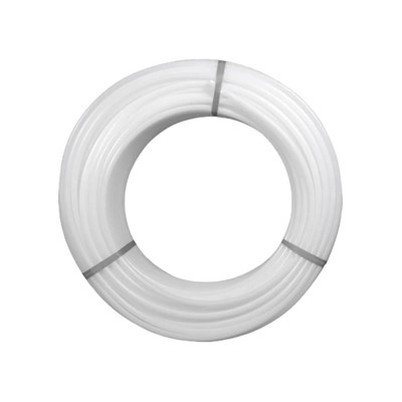
Is 3/4 pex piping affected by UV rays?
Leave a message

As a supplier of 3/4 PEX piping, I often encounter questions from customers regarding the durability and performance of our products under various environmental conditions. One common inquiry is whether 3/4 PEX piping is affected by UV rays. In this blog post, I will delve into the science behind PEX piping and its interaction with UV radiation, providing you with a comprehensive understanding of this crucial aspect.
Understanding PEX Piping
PEX, or cross-linked polyethylene, is a type of plastic tubing that has gained widespread popularity in plumbing and heating systems due to its flexibility, durability, and resistance to corrosion. The 3/4 PEX piping, in particular, is commonly used for applications such as water supply lines, radiant floor heating, and hydronic heating systems.
There are three main types of PEX piping: PEX-A, PEX-B, and PEX-C, each with its own unique manufacturing process and properties. PEX-A is known for its superior flexibility and memory, making it easier to install and repair. PEX-B is more rigid and has a higher resistance to stress cracking, while PEX-C offers a balance between flexibility and strength.
The Impact of UV Rays on PEX Piping
UV rays, or ultraviolet radiation, are a form of electromagnetic radiation that is emitted by the sun. While UV rays are essential for various biological processes, they can also have detrimental effects on certain materials, including plastics. When PEX piping is exposed to UV rays, several chemical and physical changes can occur, leading to degradation of the material over time.
One of the primary ways UV rays affect PEX piping is through a process called photo-oxidation. This occurs when the UV radiation breaks down the chemical bonds in the PEX material, causing it to become brittle and lose its flexibility. As a result, the piping may develop cracks, leaks, or other forms of damage, which can compromise its performance and integrity.


In addition to photo-oxidation, UV rays can also cause discoloration and surface degradation of PEX piping. The exposure to UV radiation can cause the piping to turn yellow or brown, which not only affects its aesthetic appearance but also indicates a loss of material strength. Over time, the surface of the piping may become rough and pitted, further increasing the risk of damage and failure.
Factors Affecting the Resistance of PEX Piping to UV Rays
The resistance of PEX piping to UV rays depends on several factors, including the type of PEX material, the thickness of the piping, and the presence of UV stabilizers.
- Type of PEX Material: Different types of PEX piping have varying levels of resistance to UV rays. PEX-A, for example, is generally more resistant to UV degradation than PEX-B and PEX-C due to its higher degree of cross-linking. However, all types of PEX piping will eventually degrade when exposed to prolonged UV radiation.
- Thickness of the Piping: Thicker PEX piping generally has better resistance to UV rays than thinner piping. This is because the additional material provides a greater barrier against the penetration of UV radiation, reducing the likelihood of damage.
- Presence of UV Stabilizers: Many PEX piping manufacturers add UV stabilizers to their products to enhance their resistance to UV degradation. These stabilizers work by absorbing or reflecting the UV radiation, preventing it from reaching the PEX material and causing damage. However, the effectiveness of UV stabilizers can vary depending on the quality and quantity of the stabilizers used.
Protecting PEX Piping from UV Rays
To ensure the long-term performance and durability of 3/4 PEX piping, it is essential to protect it from UV rays. Here are some practical tips to help you minimize the exposure of PEX piping to UV radiation:
- Avoid Exposed Installation: Whenever possible, install PEX piping in areas that are not directly exposed to sunlight. This can include burying the piping underground, installing it inside walls or ceilings, or using protective sleeves or covers.
- Use UV-Resistant Piping: Look for PEX piping that is specifically designed to be resistant to UV rays. These products are typically labeled as "UV-resistant" or "UV-stabilized" and contain additives that help protect the material from UV degradation.
- Apply UV-Protective Coatings: If you need to install PEX piping in an area that is exposed to sunlight, consider applying a UV-protective coating to the surface of the piping. These coatings can help reflect or absorb the UV radiation, reducing the amount of damage to the PEX material.
- Regular Inspections: Regularly inspect the PEX piping for signs of damage or degradation, such as cracks, leaks, or discoloration. If you notice any issues, replace the damaged piping immediately to prevent further damage and ensure the safety and performance of your plumbing or heating system.
Our 3/4 PEX Piping Products
As a leading supplier of 3/4 PEX piping, we offer a wide range of high-quality products that are designed to meet the needs of various applications. Our PEX piping is made from premium materials and is manufactured using advanced processes to ensure superior performance and durability.
In addition to our standard 3/4 PEX piping, we also offer a variety of accessories and fittings, such as PPSU Tee, PE-Xa Pipe for Plumbing Pipe, and PEX Pipe for Floor Heating. These products are designed to work seamlessly with our PEX piping, providing you with a complete solution for your plumbing and heating needs.
Conclusion
In conclusion, 3/4 PEX piping can be affected by UV rays, which can cause degradation of the material over time. However, by understanding the factors that affect the resistance of PEX piping to UV rays and taking appropriate measures to protect it, you can ensure the long-term performance and durability of your plumbing and heating systems.
If you have any questions or need further information about our 3/4 PEX piping products, please do not hesitate to contact us. We are committed to providing our customers with the highest quality products and services, and we look forward to the opportunity to work with you on your next project.
References
- "PEX Piping: A Comprehensive Guide." PlumbingSupply.com.
- "UV Resistance of PEX Piping." Plastics Pipe Institute.
- "The Effects of UV Radiation on PEX Piping." Journal of Building Engineering.