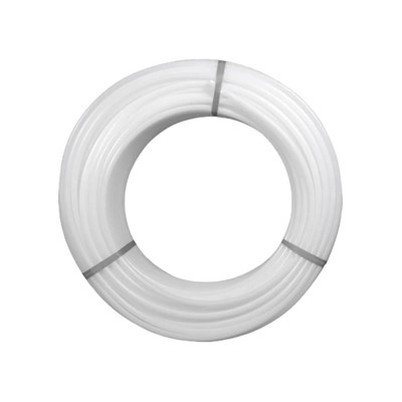
What kind of tools are needed for Pex tubing installation?
Leave a message

Pex tubing, known for its flexibility, durability, and resistance to corrosion, has become a popular choice for plumbing systems in both residential and commercial settings. As a Pex tubing supplier, I've seen firsthand the importance of having the right tools for a successful installation. In this blog post, I'll discuss the essential tools needed for Pex tubing installation, ensuring that your project goes smoothly and efficiently.
1. Pex Tubing Cutters
One of the most fundamental tools for Pex tubing installation is a high - quality Pex tubing cutter. These cutters are specifically designed to make clean, straight cuts on Pex tubing. A sharp and precise cut is crucial because it ensures a proper fit when connecting the tubing to fittings. There are two main types of Pex tubing cutters: manual and ratcheting.
Manual cutters are simple and easy to use. They usually consist of a sharp blade and a handle. You place the tubing in the cutter, close the handle, and the blade slices through the tubing. Ratcheting cutters, on the other hand, provide more leverage and are often easier to use, especially when cutting thicker Pex tubing. They work by ratcheting the blade down in increments until the tubing is completely cut.
When choosing a Pex tubing cutter, look for one with a sharp blade that can cut through the tubing without causing any deformation or burrs. A good cutter will make the installation process much faster and will help prevent leaks in the long run.


2. Expansion Tools
Expansion fittings are a popular way to connect Pex tubing. To use these fittings, you need an expansion tool. An expansion tool works by stretching the end of the Pex tubing slightly so that it can fit over the fitting. Once the tubing is expanded and placed over the fitting, a stainless - steel ring is placed around the tubing, and as the tubing contracts, it creates a tight, leak - proof seal.
There are different types of expansion tools available, including manual and electric ones. Manual expansion tools are handheld and require physical effort to expand the tubing. They are suitable for small - scale installations or for situations where you don't have access to electricity. Electric expansion tools, on the other hand, are more powerful and can expand the tubing more quickly and consistently. They are ideal for large - scale projects where time is of the essence.
When using an expansion tool, it's important to follow the manufacturer's instructions carefully. Over - expanding or under - expanding the tubing can lead to a poor connection and potential leaks.
3. Crimping Tools
Crimping is another common method for connecting Pex tubing. Crimping tools are used to compress a brass or copper crimp ring around the Pex tubing and the fitting, creating a secure connection. There are several types of crimping tools, including handheld crimpers and hydraulic crimpers.
Handheld crimpers are lightweight and easy to use for small projects. They are operated by squeezing the handles together to compress the crimp ring. Hydraulic crimpers, on the other hand, are more powerful and are often used for larger - diameter Pex tubing or for commercial installations. They use hydraulic pressure to apply a consistent and strong force to the crimp ring.
It's essential to use the correct size crimping tool for the size of the crimp ring and the Pex tubing. Using the wrong size tool can result in an improper crimp, which may lead to leaks.
4. Deburring Tools
After cutting the Pex tubing, it's important to remove any burrs or rough edges. Burrs can prevent a proper seal when connecting the tubing to fittings and can also cause damage to the O - rings in the fittings. Deburring tools are used to smooth the inside and outside edges of the cut tubing.
There are different types of deburring tools available, including simple hand - held deburring tools and more advanced power - operated ones. Hand - held deburring tools are inexpensive and easy to use. They usually have a sharp edge that you run along the edges of the tubing to remove the burrs. Power - operated deburring tools can be faster and more efficient, especially for larger projects.
5. Fittings and Connectors
Of course, you'll need a variety of fittings and connectors to complete your Pex tubing installation. Some common types of fittings include elbows, tees, couplings, and adapters. These fittings allow you to change the direction of the tubing, split the flow, or connect the tubing to other plumbing components.
For example, Ppsu Elbow 90° is a great option when you need to make a 90 - degree turn in your Pex tubing system. It is made of high - quality PPSU material, which is durable and resistant to high temperatures and chemicals.
When choosing fittings, make sure they are compatible with the type of Pex tubing you are using. There are different standards for Pex tubing, such as PE - Xa Pipe ISO15875, and the fittings should meet the same standards to ensure a proper and safe connection.
6. Measuring Tools
Accurate measurements are crucial for a successful Pex tubing installation. Measuring tools such as tape measures and rulers are used to determine the length of the tubing needed and to mark the cutting points.
A good tape measure should be long enough to measure the distances between different plumbing fixtures and should be accurate to at least 1/16 of an inch. Rulers can be used for smaller measurements or for marking the tubing before cutting.
7. Pipe Supports
Pipe supports are used to hold the Pex tubing in place and prevent it from sagging or moving. They are especially important in areas where the tubing is exposed or where there is a lot of vibration. There are different types of pipe supports, including clips, hangers, and straps.
Pipe clips are small, U - shaped devices that are used to hold the tubing to a surface. They are easy to install and are suitable for small - diameter tubing. Pipe hangers are used to suspend the tubing from the ceiling or other overhead structures. They come in different sizes and styles to accommodate different types of tubing and installation requirements. Straps are used to secure the tubing to a wall or other vertical surface.
8. Pressure Testing Equipment
Once the Pex tubing installation is complete, it's important to test the system for leaks. Pressure testing equipment is used to pressurize the tubing system and check for any pressure drops, which indicate a leak.
There are different types of pressure testing equipment available, including manual and digital pressure gauges. Manual pressure gauges are simple and easy to use. They work by applying pressure to the tubing system and reading the pressure on a dial. Digital pressure gauges are more accurate and can provide more detailed information about the pressure in the system.
Conclusion
In conclusion, a successful Pex tubing installation requires a variety of tools. From cutters and expansion tools to fittings and pressure testing equipment, each tool plays a crucial role in ensuring a proper and leak - free installation. As a Pex tubing supplier, I can provide you with high - quality Pex tubing and all the necessary tools and fittings for your project.
If you're planning a Pex tubing installation for your water supply system, consider using PEX Pipe for Water Supply. It is designed to meet the highest standards of quality and performance.
If you have any questions about Pex tubing installation or need help choosing the right tools and products for your project, don't hesitate to contact us. We're here to assist you with all your Pex tubing needs and look forward to discussing your procurement requirements.
References
- "Plumbing Handbook" by the American Society of Plumbing Engineers
- Manufacturer's manuals for Pex tubing and related tools