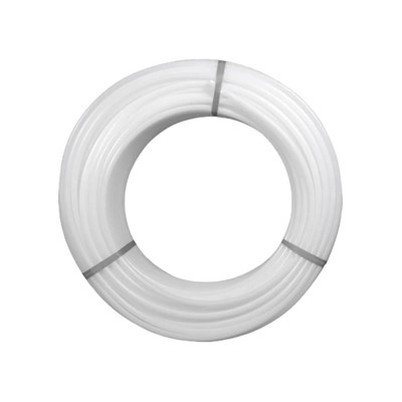
What is the working pressure range of PE - X Pipe?
Leave a message

Hey there! As a supplier of PE - X pipes, I often get asked about the working pressure range of these pipes. So, I thought it'd be cool to break it down for you in this blog.
First off, let's quickly understand what PE - X pipes are. PE - X stands for Cross - linked Polyethylene. This type of pipe is super popular in the plumbing and heating industries because of its flexibility, durability, and resistance to chemicals and high temperatures. It's used in a variety of applications, from domestic water supply systems to radiant floor heating setups.
Now, the working pressure range of PE - X pipes isn't a one - size - fits - all kind of deal. It depends on a few factors, like the type of PE - X (there are different cross - linking methods, which result in variations like PE - Xa, PE - Xb, and PE - Xc), the temperature of the fluid flowing through the pipe, and the pipe's diameter.
Factors Affecting the Working Pressure
The temperature of the fluid in the pipe is a biggie. Generally, as the temperature goes up, the pressure the pipe can handle goes down. Think of it like this: when you heat up a material, its molecules start to move around more, making it a bit softer and less able to withstand high pressures. So, if you're using PE - X pipes for a hot water system, you'll need to be more careful about the pressure compared to a cold water system.
The diameter of the pipe also plays a role. Smaller diameter pipes can usually handle higher pressures than larger ones. This is because the force exerted by the fluid is distributed over a smaller area in a smaller pipe, so the pressure per unit area is more manageable.
Working Pressure Range of Different PE - X Types
Let's focus on PE - Xa, which is one of the most common types. PE - Xa pipes have a great reputation for their high - quality cross - linking, which gives them excellent mechanical properties.
For PE - Xa pipes, at normal room temperature (around 20°C or 68°F), they can typically handle working pressures in the range of 8 to 10 bar (116 to 145 psi). But when the water temperature rises to around 60°C (140°F), the working pressure range drops to about 6 to 8 bar (87 to 116 psi). And if you're dealing with really hot water, say 95°C (203°F), the working pressure might be around 4 to 6 bar (58 to 87 psi).


If you're interested in the standards for PE - Xa pipes, you can check out PE - Xa Pipe ISO15875. This standard gives detailed specifications about the performance and quality of PE - Xa pipes, including their working pressure ratings under different conditions.
There's also PE - Xa Pipe NSF. The NSF certification ensures that the pipes meet certain health and safety standards, which is crucial when they're used for potable water systems. And PE - Xa Pipe Watermark is another important certification that guarantees the pipes' compliance with water - related standards.
PE - Xb pipes, on the other hand, have a slightly different working pressure range. At room temperature, they can handle pressures in the range of 6 to 8 bar (87 to 116 psi). As the temperature increases, the pressure - handling capacity decreases, similar to PE - Xa pipes.
PE - Xc pipes are known for their good resistance to environmental stress cracking. Their working pressure range at room temperature is usually around 7 to 9 bar (102 to 130 psi), and it also decreases with increasing temperature.
How to Determine the Right Pressure for Your Application
When you're planning a project that involves PE - X pipes, it's essential to calculate the right working pressure. First, figure out the temperature of the fluid that will be flowing through the pipes. Then, consider the diameter of the pipes you'll be using. You can use pressure - temperature charts provided by the pipe manufacturer to find the appropriate working pressure range.
It's also a good idea to add a safety factor. This means choosing a pipe that can handle a higher pressure than what you expect in normal operation. This gives you some leeway in case there are sudden pressure spikes or temperature fluctuations.
Importance of Staying within the Working Pressure Range
Staying within the recommended working pressure range is crucial for the longevity and safety of your plumbing or heating system. If you exceed the working pressure, the pipe may develop leaks or even burst. This can lead to water damage, costly repairs, and potential safety hazards.
On the other hand, if you're using a pipe that can handle much higher pressures than necessary, you might be overspending on the pipes. So, finding that sweet spot is key.
Contact Us for Your PE - X Pipe Needs
If you're in the market for PE - X pipes and need help choosing the right ones for your project, we're here to assist. We have a wide range of PE - X pipes, including different types and sizes, to meet your specific requirements. Whether you're a contractor working on a large - scale building project or a homeowner doing a DIY plumbing job, we've got you covered.
Don't hesitate to reach out to us to discuss your needs and get a quote. We're always happy to chat and help you make the best decision for your project.
References
- Pipe Industry Standards and Guidelines
- Manufacturer's Technical Documentation for PE - X Pipes