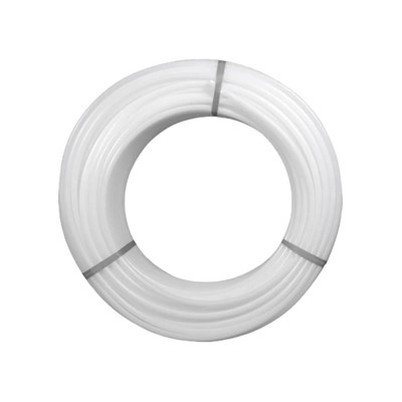
What is the chemical composition of a 50mm PEX pipe?
Leave a message

As a reliable supplier of 50mm PEX pipes, I often receive inquiries about the chemical composition of these pipes. Understanding the chemical makeup is crucial as it directly influences the pipe's performance, durability, and suitability for various applications. In this blog, I will delve into the details of what constitutes a 50mm PEX pipe, providing insights that can help you make informed decisions when it comes to purchasing and using these pipes.
What is PEX?
PEX, or cross-linked polyethylene, is a type of plastic material derived from polyethylene (PE). Polyethylene is a widely used thermoplastic polymer made from the monomer ethylene. However, standard polyethylene has certain limitations in terms of its mechanical properties, such as low resistance to high temperatures and stress cracking. Cross-linking is a process that creates chemical bonds between the polymer chains of polyethylene, transforming it into PEX. This cross-linking significantly enhances the material's performance characteristics, making it more suitable for a variety of demanding applications, especially in plumbing systems.
Chemical Composition of 50mm PEX Pipes
Base Polymer: Polyethylene
The foundation of a 50mm PEX pipe is polyethylene. Polyethylene is a hydrocarbon polymer composed of repeating ethylene monomers (C₂H₄). These monomers are linked together in long chains, forming the basic structure of the polymer. There are different types of polyethylene, including high-density polyethylene (HDPE), low-density polyethylene (LDPE), and linear low-density polyethylene (LLDPE). For PEX pipes, HDPE is commonly used due to its higher density and better mechanical properties. HDPE has a more linear molecular structure with fewer branches, which results in a more compact and stronger material.


Cross-Linking Agents
The cross-linking process is what differentiates PEX from regular polyethylene. There are three main methods of cross-linking used in the production of PEX pipes: peroxide cross-linking (PE-Xa), silane cross-linking (PE-Xb), and electron beam cross-linking (PE-Xc).
- Peroxide Cross-Linking (PE-Xa): In the PE-Xa process, organic peroxides are used as cross-linking agents. When heated, the peroxides decompose, generating free radicals that react with the polyethylene chains. These free radicals abstract hydrogen atoms from the polymer chains, creating reactive sites that can then form cross-links with neighboring chains. The resulting PEX pipes have a highly uniform and dense cross-linking structure, which gives them excellent resistance to high temperatures, pressure, and chemicals. PE-Xa Pipe ISO15875 provides detailed information about the specifications and applications of PE-Xa pipes.
- Silane Cross-Linking (PE-Xb): The PE-Xb process involves the grafting of silane groups onto the polyethylene chains. This is typically done in the presence of a catalyst. The silane-grafted polyethylene is then extruded into pipes, and during a subsequent water-curing step, the silane groups react with water to form cross-links. PE-Xb pipes have a good balance of properties and are often used in residential and commercial plumbing systems.
- Electron Beam Cross-Linking (PE-Xc): In the PE-Xc method, the polyethylene pipes are exposed to high-energy electron beams. The electron beams break the carbon-hydrogen bonds in the polymer chains, creating free radicals that can form cross-links. This process does not require the use of chemical cross-linking agents, resulting in a clean and pure cross-linked structure. PE-Xc pipes are known for their excellent resistance to stress cracking and high-temperature performance.
Additives
In addition to the base polymer and cross-linking agents, 50mm PEX pipes may contain various additives to enhance their performance and durability.
- Antioxidants: Antioxidants are added to prevent the oxidation of the polyethylene during processing and use. Oxidation can lead to the degradation of the polymer, resulting in a loss of mechanical properties and reduced service life. Antioxidants work by scavenging free radicals and preventing them from reacting with the polymer chains.
- UV Stabilizers: Since PEX pipes may be exposed to sunlight during installation or in outdoor applications, UV stabilizers are added to protect the material from the harmful effects of ultraviolet radiation. UV radiation can cause the polymer to degrade, become brittle, and lose its strength. UV stabilizers absorb or reflect the UV rays, preventing them from reaching the polymer chains.
- Colorants: Colorants are used to give the PEX pipes a specific color for identification purposes. For example, red pipes are often used for hot water supply, while blue pipes are used for cold water supply. Colorants can be organic or inorganic pigments, and they are carefully selected to ensure good dispersion and compatibility with the polymer matrix.
- Processing Aids: Processing aids are added to improve the processability of the PEX material during extrusion. These additives can reduce the melt viscosity, improve the flow properties, and prevent the material from sticking to the extrusion equipment. Common processing aids include lubricants, plasticizers, and flow modifiers.
Impact of Chemical Composition on Performance
The chemical composition of a 50mm PEX pipe has a significant impact on its performance characteristics.
- Temperature Resistance: The cross-linked structure of PEX pipes provides excellent temperature resistance. PEX pipes can withstand higher temperatures than regular polyethylene pipes, making them suitable for hot water supply systems. The type of cross-linking and the density of the cross-links determine the maximum temperature that the pipe can handle. For example, PE-Xa pipes generally have the highest temperature resistance among the three types of PEX pipes.
- Pressure Resistance: The cross-linking also enhances the pressure resistance of PEX pipes. The chemical bonds between the polymer chains make the material more rigid and less likely to deform under pressure. This allows PEX pipes to be used in high-pressure plumbing systems without the risk of bursting or leaking.
- Chemical Resistance: PEX pipes have good chemical resistance to a wide range of chemicals, including acids, bases, and most common household chemicals. However, they may be susceptible to certain solvents and oxidizing agents. The presence of antioxidants and other additives can further improve the chemical resistance of the pipes.
- Flexibility: PEX pipes are known for their flexibility, which makes them easy to install. The cross-linked structure allows the polymer chains to slide past each other to some extent, giving the pipe the ability to bend without kinking. This flexibility reduces the need for joints and fittings, resulting in a more reliable and cost-effective plumbing system.
Applications of 50mm PEX Pipes
Due to their excellent performance characteristics, 50mm PEX pipes are widely used in various applications, especially in plumbing systems.
- Water Supply Systems: PEX Pipe for Water Supply is a popular choice for both residential and commercial buildings. The pipes can be used for hot and cold water distribution, providing a reliable and long-lasting solution. Their flexibility and ease of installation make them ideal for retrofitting existing plumbing systems or for new construction projects.
- Radiant Heating Systems: PEX pipes are commonly used in radiant heating systems, where hot water is circulated through the pipes to provide heat to the floor or walls. The pipes' ability to withstand high temperatures and pressure makes them suitable for this application. Additionally, their flexibility allows for easy installation in a variety of floor and wall configurations.
- Snow Melting Systems: In colder climates, PEX pipes can be used in snow melting systems. Hot water is circulated through the pipes installed beneath sidewalks, driveways, or other outdoor surfaces to melt snow and ice. The pipes' durability and resistance to freezing make them a reliable choice for this application.
Conclusion
In conclusion, the chemical composition of a 50mm PEX pipe is a carefully engineered combination of polyethylene, cross-linking agents, and additives. Each component plays a crucial role in determining the pipe's performance, durability, and suitability for various applications. As a supplier of 50mm PEX pipes, I am committed to providing high-quality products that meet the strictest industry standards. If you are in the market for 50mm PEX pipes, Ppsu Elbow 90° and other related fittings, I invite you to contact me for more information and to discuss your specific requirements. Our team of experts is ready to assist you in finding the best solutions for your plumbing projects. Whether you are a contractor, a builder, or a homeowner, we are here to provide you with the products and support you need to ensure a successful installation.
References
- ASTM International. (2021). Standard Specification for Crosslinked Polyethylene (PEX) Tubing. ASTM F876-21.
- ISO 15875. (2016). Plastics piping systems for hot and cold water installations - Crosslinked polyethylene (PE-X) - Specifications.
- Schier Water Systems. (2022). Understanding PEX Pipe: Types, Uses, and Benefits.