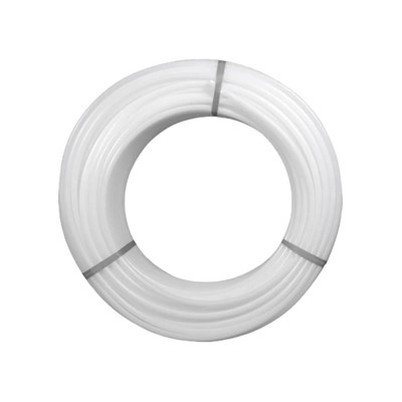
Can PERT Tube be used in fire - sprinkler systems?
Leave a message

When it comes to fire - sprinkler systems, the choice of piping material is of utmost importance. As a PERT Tube supplier, I often receive inquiries about whether PERT Tube can be used in fire - sprinkler systems. In this blog, I will delve into this question, exploring the properties of PERT Tube, the requirements of fire - sprinkler systems, and the feasibility of using PERT Tube in such systems.


Understanding PERT Tube
PERT (Polyethylene Raised Temperature) Tube is a type of plastic tubing that has gained popularity in various plumbing applications. It is made from a special type of polyethylene resin that has enhanced thermal and mechanical properties compared to traditional polyethylene. PERT Tube is known for its flexibility, corrosion resistance, and ease of installation. These features make it an attractive option for many plumbing projects, including hot and cold water distribution systems.
The manufacturing process of PERT Tube involves a cross - linking process that improves its temperature resistance and durability. This cross - linked structure allows PERT Tube to withstand higher temperatures and pressures than non - cross - linked polyethylene tubes. Additionally, PERT Tube has excellent chemical resistance, which means it can resist the effects of various chemicals commonly found in water supplies.
Requirements of Fire - Sprinkler Systems
Fire - sprinkler systems are designed to suppress or control fires in buildings. They are a crucial part of a building's fire safety infrastructure. The piping used in fire - sprinkler systems must meet strict requirements to ensure reliable operation during a fire emergency.
One of the primary requirements is high temperature resistance. In the event of a fire, the pipes in a sprinkler system may be exposed to extremely high temperatures. The piping material must be able to maintain its integrity and functionality under these conditions. For example, it should not melt, deform, or burst when exposed to the heat of a fire.
Another important requirement is pressure resistance. Fire - sprinkler systems operate under high pressures to ensure that water is distributed effectively throughout the system. The pipes must be able to withstand these pressures without leaking or failing. Corrosion resistance is also essential, as the pipes are often filled with water for long periods, and corrosion can lead to leaks and system failures.
Feasibility of Using PERT Tube in Fire - Sprinkler Systems
The use of PERT Tube in fire - sprinkler systems has both advantages and challenges.
Advantages
One of the main advantages of using PERT Tube is its flexibility. Unlike traditional metal pipes, PERT Tube can be easily bent and routed around obstacles, which can simplify the installation process. This can save time and labor costs during the installation of a fire - sprinkler system.
PERT Tube also has excellent corrosion resistance. Metal pipes in fire - sprinkler systems are prone to corrosion, especially in areas with high humidity or aggressive water conditions. Corrosion can lead to reduced flow rates, leaks, and ultimately, system failure. PERT Tube, on the other hand, is not affected by corrosion, which can increase the lifespan of the system.
Challenges
However, there are also significant challenges associated with using PERT Tube in fire - sprinkler systems. The most critical challenge is its temperature resistance. While PERT Tube has better temperature resistance than non - cross - linked polyethylene, it may not be able to withstand the extremely high temperatures generated during a fire. At high temperatures, PERT Tube may soften, melt, or lose its structural integrity, which can cause the sprinkler system to fail.
Another challenge is the lack of widespread acceptance and standards. Most building codes and fire safety regulations have been developed based on the use of traditional metal pipes in fire - sprinkler systems. There is limited data and research on the long - term performance of PERT Tube in fire - sprinkler applications. As a result, many code authorities may be hesitant to approve the use of PERT Tube in these systems.
Current Industry Practices and Research
Currently, the use of PERT Tube in fire - sprinkler systems is not widespread. Most fire - sprinkler systems still rely on metal pipes such as steel and copper. However, there is ongoing research to explore the potential of using alternative materials, including PERT Tube, in these systems.
Some studies have focused on improving the fire resistance of PERT Tube through the addition of flame - retardant additives. These additives can help to reduce the flammability of the tube and improve its performance under fire conditions. Other research has looked at developing new installation methods and system designs that can mitigate the limitations of PERT Tube in fire - sprinkler applications.
Conclusion and Call to Action
In conclusion, while PERT Tube has some attractive features for use in fire - sprinkler systems, such as flexibility and corrosion resistance, there are significant challenges related to its temperature resistance and lack of industry acceptance. As a PERT Tube supplier, I am committed to working with researchers, code authorities, and customers to explore the potential of using PERT Tube in fire - sprinkler systems.
If you are interested in learning more about PERT Tube and its potential applications in fire - sprinkler systems, or if you have specific requirements for your projects, I encourage you to contact me for a detailed discussion. We can explore the feasibility of using PERT Tube in your fire - sprinkler system and work together to find the best solutions.
References
- ASTM International. (Year). Standard Specifications for PERT Tubing.
- NFPA (National Fire Protection Association). (Year). Fire Sprinkler System Installation Standards.
- Research Papers on PERT Tube Applications in Plumbing and Fire - Protection Systems.