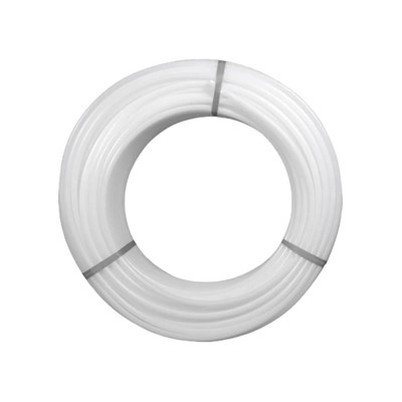
What are the precautions for using PE - X Pipe underground?
Leave a message

Hey there! As a supplier of PE - X pipes, I've seen firsthand how these pipes are a game - changer for underground applications. But like any product, there are some important precautions you need to take when using PE - X pipes underground. Let's dive right in!
1. Site Preparation
Before you start laying your PE - X pipes underground, the site prep is crucial. First off, you need to clear the area of any debris, rocks, or sharp objects. These can puncture or damage the pipes during installation or over time as the ground shifts. A smooth, even trench is what you're aiming for. You can use a trenching machine to dig the trench to the right depth. Usually, for residential applications, a depth of at least 12 inches is recommended, but in colder climates, you might want to go deeper to avoid freezing.
Also, make sure the soil conditions are suitable. If the soil is too sandy, it might not provide enough support for the pipes. On the other hand, if it's too clayey, it could expand and contract with changes in moisture, putting stress on the pipes. You might need to add some backfill material like sand or gravel to create a more stable base for the pipes. Check out PEX Pipe for Water Supply for more info on how soil conditions can impact pipe performance.
2. Pipe Selection
Not all PE - X pipes are created equal. There are different types, like PE - Xa, PE - Xb, and PE - Xc. For underground use, PE - Xa is often a great choice. It has excellent resistance to high temperatures and pressure, which is important when the pipes are buried deep underground. It also has better flexibility, making it easier to install around obstacles.
Look for pipes that meet the right standards. The PE - Xa Pipe ISO15875 standard ensures that the pipes are of high quality and suitable for various applications, including underground water supply. And if you're in an area where water quality is a concern, the PE - Xa Pipe Watermark indicates that the pipes are safe for potable water use.
3. Installation Precautions
When installing PE - X pipes underground, be gentle with them. These pipes are flexible, but they can still be damaged if you're too rough. Avoid sharp bends or kinks in the pipes. Use proper fittings and connectors to ensure a secure and leak - free connection. Make sure the fittings are compatible with the type of PE - X pipe you're using.
During installation, it's also important to protect the pipes from UV exposure. Even though they'll eventually be buried, if they're left out in the sun for too long before installation, the UV rays can degrade the pipe material. So, keep the pipes covered when they're not being installed.
Another thing to keep in mind is the expansion and contraction of the pipes. PE - X pipes will expand and contract with changes in temperature. You need to allow for some movement in the installation. Don't anchor the pipes too tightly in place. Leave some slack in the system to accommodate this movement.
4. Protection from External Factors
Underground pipes are exposed to a variety of external factors. One of the biggest threats is rodents. Rats and mice can chew through the pipes, causing leaks. You can use rodent - resistant sleeves or coatings on the pipes to prevent this.
Chemical exposure is another concern. If the soil contains chemicals or if there are nearby sources of chemicals, like agricultural runoff or industrial waste, these can damage the pipes. You might need to use a chemical - resistant barrier or choose a pipe with enhanced chemical resistance.
Tree roots can also be a problem. As trees grow, their roots can wrap around the pipes and cause damage. Try to avoid installing pipes near large trees or use root barriers to keep the roots away from the pipes.
5. Testing and Inspection
Once the pipes are installed, it's essential to test the system. Do a pressure test to check for any leaks. You can use a pressure gauge to monitor the pressure in the pipes. If the pressure drops significantly, there's likely a leak somewhere.
Inspect the pipes visually as well. Look for any signs of damage, such as cracks or dents. Check the fittings and connections to make sure they're tight and secure. Regular inspections over time are also a good idea to catch any potential problems early.
6. Backfilling
After the pipes have been tested and inspected, it's time to backfill the trench. Use the backfill material you prepared earlier. Start by gently placing a layer of material over the pipes, making sure not to damage them. Then, gradually add more material in layers, compacting each layer slightly. Don't use heavy machinery to compact the backfill directly on top of the pipes, as this could cause damage.
7. Documentation
Keep detailed records of the installation. Note down the type of pipes used, the installation date, the location of the pipes, and any testing results. This documentation will be useful for future maintenance and troubleshooting.


Conclusion
Using PE - X pipes underground can be a great solution for water supply and other applications, but it's important to take these precautions. By following these steps, you can ensure a long - lasting and reliable underground piping system.
If you're interested in purchasing high - quality PE - X pipes for your underground projects, feel free to reach out to us. We're here to help you make the right choice and ensure a successful installation.
References
- Industry standards for PE - X pipes
- Manufacturer's guidelines for PE - X pipe installation
- Research on underground pipe performance and protection