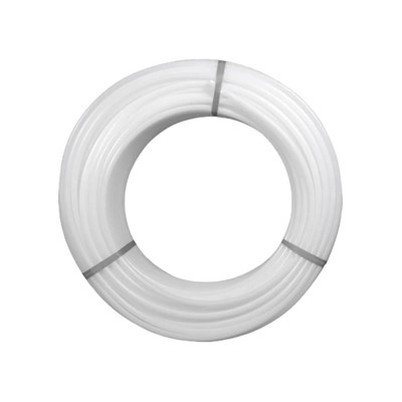
What are the common problems with PE - X Pipe?
Leave a message

PE-X pipes, also known as cross-linked polyethylene pipes, have gained significant popularity in various plumbing and heating applications due to their flexibility, durability, and resistance to corrosion. As a PE-X pipe supplier, I have had the opportunity to work closely with these pipes and understand their advantages as well as the common problems associated with them. In this blog, I will discuss some of the most prevalent issues that users may encounter when using PE-X pipes.
Chemical Compatibility and Resistance
One of the primary concerns with PE-X pipes is their chemical compatibility. While PE-X pipes are generally resistant to many common chemicals, they can be vulnerable to certain substances. For example, exposure to chlorinated water can cause degradation of the pipe material over time. Chlorine, a common disinfectant used in water treatment, can react with the cross-linked polyethylene, leading to embrittlement and reduced mechanical properties. This can result in cracks and leaks in the pipes, especially in areas with high chlorine levels.
Another chemical-related issue is the compatibility with certain solvents and cleaning agents. Some harsh chemicals can cause swelling or softening of the PE-X pipes, which can compromise their integrity. It is essential to ensure that any chemicals used in the plumbing system are compatible with PE-X pipes. Always refer to the manufacturer's guidelines for chemical resistance to avoid potential damage.
Oxygen Permeation
PE-X pipes are known to have a certain degree of oxygen permeation. Oxygen can penetrate through the pipe walls and enter the water or heating system. In a closed-loop heating system, this can lead to corrosion of metal components such as boilers, radiators, and pumps. The presence of oxygen in the system can accelerate the oxidation process, causing rust and scale to form. Over time, this can reduce the efficiency of the heating system and even lead to premature failure of the equipment.
To mitigate the problem of oxygen permeation, some PE-X pipes are available with an oxygen barrier layer. This layer helps to reduce the amount of oxygen that can penetrate the pipe. When selecting PE-X pipes for a heating system, it is crucial to choose pipes with an appropriate oxygen barrier to protect the metal components in the system. PE-Xa Pipe ISO15875 is an example of a high-quality PE-X pipe that may come with an effective oxygen barrier.
Temperature and Pressure Limitations
PE-X pipes have specific temperature and pressure limitations. Exceeding these limits can cause the pipes to deform, burst, or develop leaks. High temperatures can cause the cross-linked polyethylene to soften, reducing its strength and pressure resistance. On the other hand, extremely low temperatures can make the pipes brittle and more prone to cracking.
It is important to install PE-X pipes within the recommended temperature and pressure ranges specified by the manufacturer. In heating systems, proper insulation should be used to maintain the temperature of the pipes within the safe limits. Additionally, pressure regulators should be installed to ensure that the pressure in the system does not exceed the maximum allowable pressure for the pipes.
Installation Challenges
Proper installation is crucial for the performance and longevity of PE-X pipes. One of the common installation challenges is the correct joining of the pipes. PE-X pipes are typically joined using mechanical fittings or heat fusion methods. If the fittings are not installed correctly, it can lead to leaks. For example, if the fitting is not tightened properly or if the pipe is not inserted fully into the fitting, there may be a gap where water can escape.


Another installation issue is the bending radius of the pipes. PE-X pipes are flexible, but they have a minimum bending radius that must be maintained. Bending the pipes beyond this radius can cause damage to the pipe wall, leading to weak spots and potential leaks. During installation, it is important to use the appropriate tools and techniques to ensure that the pipes are bent correctly.
UV Degradation
Exposure to ultraviolet (UV) radiation can cause degradation of PE-X pipes. When PE-X pipes are installed outdoors or in areas exposed to sunlight, the UV rays can break down the polymer chains in the pipe material. This can result in discoloration, loss of mechanical properties, and reduced lifespan of the pipes.
To protect PE-X pipes from UV degradation, PEX Anti UV Pipe is available. These pipes are specially formulated with additives that absorb or reflect UV radiation, providing protection against the harmful effects of sunlight. If you need to install PE-X pipes outdoors, it is recommended to use PEX Anti UV Pipe to ensure their long-term performance.
Compatibility with Fittings and Accessories
Ensuring compatibility between PE-X pipes and fittings and accessories is essential. Using incompatible fittings can lead to leaks and other problems. For example, some metal fittings may react with the PE-X pipe material, causing corrosion or damage. It is important to use fittings that are specifically designed for use with PE-X pipes.
In addition to the compatibility of the materials, the size and type of the fittings must also match the pipes. Using the wrong size fittings can result in improper connections and leaks. Always double-check the specifications of the pipes and fittings before installation to ensure a proper fit. Ppsu Elbow 90° is a type of fitting that may be used with PE-X pipes, and it is important to ensure its compatibility with your specific pipe system.
Aging and Long-Term Performance
Like any other material, PE-X pipes are subject to aging. Over time, the cross-linked polyethylene can undergo changes in its molecular structure due to factors such as temperature, pressure, and chemical exposure. These changes can affect the mechanical properties of the pipes, making them more prone to failure.
To ensure the long-term performance of PE-X pipes, it is important to follow the manufacturer's recommendations for installation, maintenance, and usage. Regular inspections of the plumbing system can help to detect any signs of aging or damage early on. If any issues are identified, appropriate measures should be taken to address them promptly to prevent further damage.
Conclusion
While PE-X pipes offer many advantages, they also come with some common problems that need to be addressed. By understanding these issues and taking appropriate measures, such as choosing the right pipes, ensuring proper installation, and following maintenance guidelines, the performance and lifespan of PE-X pipes can be significantly improved.
As a PE-X pipe supplier, I am committed to providing high-quality products and professional advice to help you overcome these challenges. If you are considering using PE-X pipes for your plumbing or heating project, I encourage you to contact me for more information and to discuss your specific requirements. We can work together to find the best solutions for your needs and ensure the success of your project.
References
- "Handbook of Polyethylene" by Andrew Peacock
- "Plumbing Engineering: Design and Installation" by James A. Whitman