How to troubleshoot pex - a pipe leaks?
Leave a message

As a PEX - A pipe supplier, I've witnessed firsthand the many benefits these pipes offer, from their flexibility and durability to their resistance to corrosion. However, like any plumbing system, PEX - A pipes can sometimes develop leaks. In this blog post, I'll share some effective troubleshooting steps to help you identify and fix PEX - A pipe leaks.
Understanding PEX - A Pipes
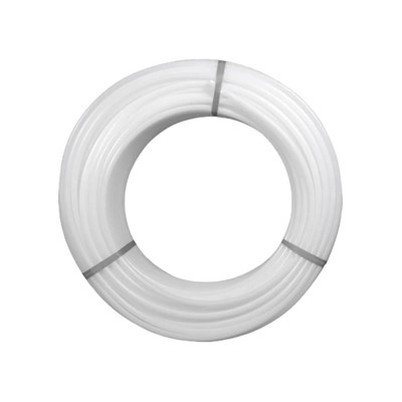
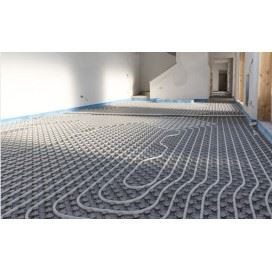
Before we dive into troubleshooting, it's essential to understand what PEX - A pipes are. PEX - A pipes are made from cross - linked polyethylene, a type of plastic that has been chemically treated to enhance its properties. These pipes are widely used in various applications, including PEX Pipe for Floor Heating and potable water systems. They are known for their high - temperature resistance, flexibility, and long service life. PEX - A pipes also meet strict standards such as PE - Xa Pipe NSF and PE - Xa Pipe ISO15875, ensuring their quality and safety.
Signs of a PEX - A Pipe Leak
The first step in troubleshooting is to recognize the signs of a leak. Here are some common indicators:
1. Water Pooling
One of the most obvious signs is the presence of water pooling around the pipes or on the floor near the plumbing system. This could be a clear indication of a leak in the PEX - A pipes.
2. Increased Water Bills
If you notice a sudden spike in your water bills without any change in your water usage, it could be due to a hidden leak in the PEX - A pipes.
3. Mold and Mildew Growth
Excess moisture from a leak can lead to the growth of mold and mildew in the area around the pipes. This not only looks unsightly but can also pose health risks.
4. Reduced Water Pressure
A leak in the PEX - A pipes can cause a drop in water pressure. If you notice that your faucets or showerheads are not delivering water with the same force as before, it's worth checking for leaks.
Troubleshooting Steps
Step 1: Visual Inspection
The first thing you should do is conduct a visual inspection of the PEX - A pipes. Look for any visible signs of damage, such as cracks, holes, or loose connections. Pay close attention to areas where the pipes are exposed, such as in basements, crawl spaces, or attics. If you find any obvious damage, you can mark the location for further repair.

Step 2: Pressure Testing
If you can't find any visible signs of damage during the visual inspection, you may need to perform a pressure test. This involves using a pressure gauge to measure the pressure in the PEX - A pipes. First, turn off all the water sources in your home and close all the faucets. Then, connect the pressure gauge to a faucet or a test port in the plumbing system. Increase the pressure in the pipes to the recommended level (usually around 80 - 100 psi) and monitor the pressure gauge for a period of time (usually 15 - 30 minutes). If the pressure drops during this time, it indicates a leak in the pipes.
Step 3: Isolate the Leak
Once you've determined that there is a leak, the next step is to isolate the location of the leak. You can do this by shutting off different sections of the plumbing system one by one and checking the pressure again. For example, if you have multiple bathrooms in your home, you can shut off the water supply to each bathroom and see if the pressure stabilizes. This will help you narrow down the location of the leak to a specific section of the PEX - A pipes.
Step 4: Repair the Leak
Depending on the location and severity of the leak, there are several ways to repair PEX - A pipes.
Minor Leaks
For minor leaks, such as small cracks or holes, you can use a PEX repair coupling. This is a simple device that consists of two ends that fit over the damaged section of the pipe and a compression ring that holds them in place. First, cut out the damaged section of the pipe using a PEX cutter. Then, slide the repair coupling over one end of the pipe, insert the other end of the pipe into the coupling, and tighten the compression ring.
Major Leaks
If the leak is more severe, such as a large crack or a burst pipe, you may need to replace the damaged section of the PEX - A pipe. This involves cutting out the damaged section using a PEX cutter and installing a new section of pipe. Make sure to use the correct size and type of PEX - A pipe and follow the manufacturer's instructions for installation. You may also need to use PEX fittings, such as elbows, tees, and couplings, to connect the new section of pipe to the existing plumbing system.
Preventing Future Leaks
Once you've fixed the leak, it's important to take steps to prevent future leaks in your PEX - A pipes.
Proper Installation
One of the most important factors in preventing leaks is proper installation. Make sure that the PEX - A pipes are installed according to the manufacturer's instructions and local plumbing codes. Use the correct tools and fittings, and ensure that the connections are tight and secure.
Temperature and Pressure Control
PEX - A pipes are designed to withstand a certain range of temperatures and pressures. Make sure that the water temperature and pressure in your plumbing system are within the recommended limits. Avoid exposing the pipes to extreme temperatures or high pressures, as this can cause the pipes to expand, contract, or burst.
Regular Maintenance
Regular maintenance is also essential for preventing leaks in PEX - A pipes. Inspect the pipes periodically for any signs of damage or wear, and replace any worn - out fittings or connections. You should also flush the plumbing system regularly to remove any sediment or debris that could cause blockages or damage to the pipes.
Contact Us for PEX - A Pipe Solutions
If you're experiencing problems with your PEX - A pipes or need more information about our products, we're here to help. As a leading PEX - A pipe supplier, we offer a wide range of high - quality PEX - A pipes and fittings that meet the highest industry standards. Whether you're a homeowner, a contractor, or a plumbing professional, we can provide you with the products and support you need for your plumbing projects.
Don't hesitate to reach out to us for more details and to start a procurement discussion. We're committed to providing you with the best solutions for your PEX - A pipe needs.
References
- "PEX Pipe Installation Guide", Plumbing Manufacturers International
- "Cross - Linked Polyethylene (PEX) Tubing Standards", ASTM International
- "Water Supply Pipe Materials", Homebuilding and Renovating Magazine