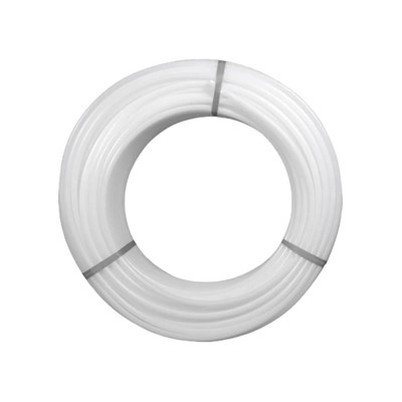
What are the considerations for using a 3/4 pex pipe in a geothermal heat pump system?
Leave a message

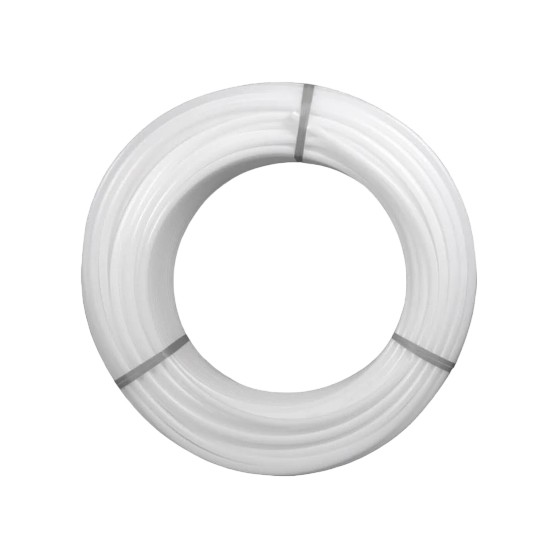
When considering the components for a geothermal heat pump system, the choice of piping is a critical decision that can significantly impact the system's performance, efficiency, and longevity. As a supplier of 3/4 PEX pipes, I've seen firsthand how the right piping can make a substantial difference in geothermal applications. In this blog, I'll explore the key considerations for using a 3/4 PEX pipe in a geothermal heat pump system.
Compatibility with Geothermal Systems
Geothermal heat pump systems operate by transferring heat between the ground and the building. The piping used in these systems must be able to withstand the unique environmental conditions and operating requirements. 3/4 PEX pipes are well - suited for geothermal applications due to their excellent flexibility and resistance to corrosion.
PEX, or cross - linked polyethylene, is a thermoplastic material that has been chemically modified to enhance its physical properties. This cross - linking process gives PEX pipes greater strength and durability compared to traditional polyethylene pipes. In a geothermal system, the pipes are buried underground, where they are exposed to soil chemicals, moisture, and varying temperatures. The corrosion - resistant nature of PEX ensures that the pipes will not rust or degrade over time, which is crucial for the long - term reliability of the system.
Flow Characteristics
The size of the pipe plays a vital role in determining the flow rate and pressure drop within the geothermal heat pump system. A 3/4 PEX pipe offers a good balance between flow capacity and pressure loss.
The internal diameter of a 3/4 PEX pipe allows for an adequate volume of the heat transfer fluid (usually a mixture of water and antifreeze) to flow through the system. This ensures efficient heat transfer between the ground loop and the heat pump. If the pipe is too small, the flow rate will be restricted, leading to increased pressure drop and reduced system efficiency. On the other hand, if the pipe is too large, it may result in slower flow velocities, which can cause sedimentation and reduced heat transfer efficiency.

Installation Ease
One of the significant advantages of using 3/4 PEX pipes in a geothermal heat pump system is their ease of installation. PEX pipes are highly flexible, which means they can be bent and curved without the need for additional fittings. This flexibility reduces the number of joints in the system, minimizing the risk of leaks and reducing installation time and labor costs.
In a geothermal ground loop installation, the pipes need to be laid out in a specific pattern underground. The ability to bend the 3/4 PEX pipes allows for a more compact and efficient layout, especially in areas with limited space. Additionally, PEX pipes can be joined using various methods, such as crimping, clamping, or push - fit connections. These joining methods are relatively simple and do not require specialized welding equipment, making the installation process more accessible for contractors.
Thermal Performance
The thermal conductivity of the pipe material is an important factor in a geothermal heat pump system. PEX has a relatively low thermal conductivity, which is beneficial in geothermal applications.
Since the purpose of the ground loop is to transfer heat between the ground and the heat transfer fluid, a pipe with low thermal conductivity helps to minimize heat loss as the fluid travels through the pipes. This ensures that more of the heat absorbed from the ground is transferred to the heat pump, improving the overall efficiency of the system.
Chemical Resistance
As mentioned earlier, the pipes in a geothermal system are exposed to various chemicals in the soil. 3/4 PEX pipes have excellent chemical resistance, which protects them from degradation caused by acids, alkalis, and other soil contaminants.
This chemical resistance is crucial for maintaining the integrity of the pipes over their lifespan. If the pipes were to degrade due to chemical exposure, it could lead to leaks, reduced flow rates, and ultimately, system failure. The ability of PEX pipes to withstand chemical attack ensures that the geothermal heat pump system will continue to operate effectively for many years.
Cost - Effectiveness
When it comes to the cost of a geothermal heat pump system, the piping is a significant component. 3/4 PEX pipes offer a cost - effective solution compared to other pipe materials, such as copper or steel.
PEX pipes are generally less expensive to purchase than copper or steel pipes. Additionally, their ease of installation reduces labor costs, further contributing to overall cost savings. Over the long term, the durability and low maintenance requirements of PEX pipes also result in cost savings, as there is less need for frequent repairs or replacements.
Sizing and System Design
Proper sizing of the 3/4 PEX pipes is essential for the optimal performance of the geothermal heat pump system. The size of the pipes should be determined based on factors such as the heating and cooling load of the building, the length of the ground loop, and the flow rate requirements.
A professional geothermal system designer will use specialized software and calculations to determine the appropriate pipe size and layout. It's important to work with an experienced designer to ensure that the system is designed correctly. Using PEX Pipe for Water Supply as a reference can also provide valuable insights into the sizing and selection of PEX pipes for different applications.
Compatibility with Heat Transfer Fluids
The heat transfer fluid used in a geothermal heat pump system must be compatible with the 3/4 PEX pipes. Most commonly, a mixture of water and antifreeze is used as the heat transfer fluid.
PEX pipes are compatible with a wide range of antifreeze solutions, including propylene glycol - based and ethylene glycol - based antifreezes. However, it's important to follow the manufacturer's recommendations regarding the type and concentration of the antifreeze to ensure that it does not cause any damage to the pipes.
Long - Term Reliability
The long - term reliability of a geothermal heat pump system is crucial for its cost - effectiveness and performance. 3/4 PEX pipes have a proven track record of long - term reliability in geothermal applications.
The combination of their corrosion resistance, chemical resistance, and flexibility ensures that the pipes can withstand the harsh underground environment for many years. This reduces the need for frequent maintenance and replacement, providing peace of mind for the system owner.
Regulatory Compliance
Before using 3/4 PEX pipes in a geothermal heat pump system, it's important to ensure that they comply with relevant industry standards and regulations. PE - Xa Pipe ISO15875 provides information on the standards for PEX pipes, which can be used as a guide to ensure compliance.
Compliance with these standards ensures that the pipes meet the necessary quality and safety requirements for geothermal applications. It also helps to avoid potential legal issues and ensures that the system is eligible for warranties and insurance coverage.
Conclusion
In conclusion, using a 3/4 PEX pipe in a geothermal heat pump system offers numerous benefits, including compatibility, good flow characteristics, ease of installation, excellent thermal and chemical performance, cost - effectiveness, and long - term reliability. However, it's important to consider all the factors mentioned above and work with professionals to ensure proper system design and installation.
If you are planning a geothermal heat pump system and are interested in learning more about our 3/4 PEX pipes, or if you have any questions regarding their suitability for your project, please feel free to contact us. We are here to provide you with the best solutions for your geothermal piping needs. Whether you are a contractor, an engineer, or a building owner, our team of experts can assist you in making the right choice. For more information on our PEX pipes for different applications, you can also visit PEX Pipe for Floor Heating.
References
- "Geothermal Heat Pump Systems: Design of Ground - Source Heat Pumps", ASHRAE Handbook of HVAC Systems and Equipment.
- "PEX Pipe Technology and Applications", Plastic Pipe Institute.
- "Standards for Cross - Linked Polyethylene (PEX) Piping Systems", ASTM International.