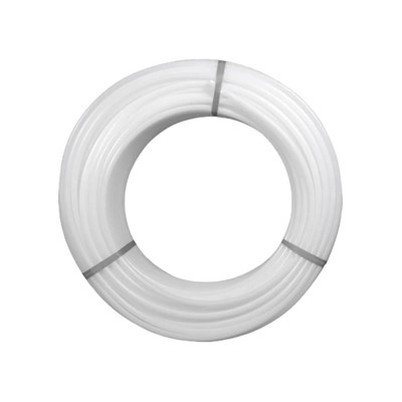
Is PEX - AL - PERT Pipe suitable for underground piping?
Leave a message

Hey there! As a supplier of PEX - AL - PERT Pipe, I often get asked if this type of pipe is suitable for underground piping. Well, let's dive right into it and explore the ins and outs of using PEX-AL-PERT Pipe underground.
Understanding PEX - AL - PERT Pipe
First things first, let's talk a bit about what PEX - AL - PERT Pipe is. It's a multilayer composite pipe that combines the best features of different materials. The PEX (Cross - linked Polyethylene) provides flexibility and good chemical resistance. The AL (Aluminum) layer adds strength, oxygen barrier properties, and dimensional stability. And the PERT (Polyethylene of Raised Temperature resistance) offers high - temperature resistance and long - term hydrostatic strength.
This combination makes PEX - AL - PERT Pipe a versatile option for a variety of plumbing applications. But when it comes to underground use, there are several factors we need to consider.
Advantages of Using PEX - AL - PERT Pipe Underground
1. Flexibility
One of the biggest advantages of PEX - AL - PERT Pipe is its flexibility. When laying pipes underground, you often have to deal with uneven terrain, obstacles, and curves. The flexibility of this pipe allows it to be bent easily without the need for a large number of fittings. This not only makes the installation process quicker but also reduces the risk of leaks at fitting joints.
For example, if you're installing a water supply line in a backyard where there are tree roots or rocks, you can simply bend the PEX - AL - PERT Pipe around these obstacles. This is a huge plus compared to rigid pipes like copper or PVC, which may require cutting and additional fittings to navigate around such challenges.
2. Corrosion Resistance
Underground environments can be harsh, with soil that may contain various chemicals, moisture, and even electrical currents. PEX - AL - PERT Pipe is highly resistant to corrosion, which means it can withstand these conditions without deteriorating over time. This is a significant advantage over metal pipes, such as steel or iron, which are prone to rust and corrosion when exposed to moisture and certain chemicals in the soil.
3. Oxygen Barrier
The aluminum layer in PEX - AL - PERT Pipe acts as an oxygen barrier. This is important because oxygen in the water can cause corrosion in the pipes and the connected plumbing system components, such as boilers and radiators. By preventing oxygen from diffusing into the water, the pipe helps to extend the lifespan of the entire plumbing system.
4. Longevity
PEX - AL - PERT Pipe is known for its long lifespan. When installed correctly underground, it can last for several decades. This means that once you install this pipe, you don't have to worry about frequent replacements, which can save you a lot of money and hassle in the long run.
Challenges and Considerations
1. UV Resistance
Although PEX - AL - PERT Pipe is suitable for underground use, it is not UV resistant. If the pipe is exposed to sunlight during storage or installation, it can degrade over time. So, it's important to keep the pipe covered and protected from direct sunlight until it is buried underground.
2. Temperature Fluctuations
Underground temperatures can vary depending on the season and the depth of the pipe. PEX - AL - PERT Pipe has a good temperature range, but extreme temperature fluctuations can still affect its performance. In very cold climates, the pipe may become more brittle, increasing the risk of cracking. On the other hand, in hot climates, the pipe may expand slightly. It's important to take these factors into account during the installation and design of the underground piping system.
3. Protection from Physical Damage
Even though PEX - AL - PERT Pipe is relatively strong, it can still be damaged by sharp objects or heavy machinery during installation or if there is any subsequent excavation work in the area. To prevent physical damage, it's recommended to use a protective sleeve or bedding material around the pipe. This can act as a buffer between the pipe and the surrounding soil or any potential sources of damage.


Installation Best Practices
When installing PEX - AL - PERT Pipe underground, there are some best practices to follow:
1. Proper Bedding
The pipe should be laid on a bed of sand or a similar soft material. This helps to distribute the weight evenly and prevents the pipe from being damaged by sharp rocks or debris in the soil. The bedding material should be at least a few inches thick.
2. Depth of Burial
The pipe should be buried at an appropriate depth. In general, it's recommended to bury the pipe at least 12 to 18 inches below the ground surface. This helps to protect the pipe from freezing in cold climates and from being damaged by surface activities.
3. Joint Sealing
Make sure all joints are properly sealed using the recommended fittings and techniques. Leaks at joints can lead to water loss and damage to the surrounding area. Follow the manufacturer's instructions carefully when making connections.
Case Studies
Let's take a look at a couple of real - world examples where PEX - AL - PERT Pipe was used for underground piping.
In a residential area, a contractor was tasked with installing a new water supply line. The area had a lot of tree roots and a sloping terrain. By using PEX - AL - PERT Pipe, the contractor was able to complete the installation in half the time it would have taken with traditional rigid pipes. The flexibility of the pipe allowed them to work around the tree roots easily, and the corrosion resistance ensured that the pipe would last for a long time in the moist soil.
Another example is a commercial building project where a heating system was being installed underground. The oxygen barrier property of the PEX - AL - PERT Pipe was crucial in preventing corrosion in the boilers and radiators. The long - term performance of the pipe also provided peace of mind to the building owners, knowing that they wouldn't have to worry about frequent repairs or replacements.
Conclusion
So, is PEX - AL - PERT Pipe suitable for underground piping? In most cases, the answer is yes. Its flexibility, corrosion resistance, oxygen barrier, and longevity make it a great choice for underground applications. However, it's important to be aware of the challenges, such as UV resistance, temperature fluctuations, and physical damage, and take the necessary precautions during installation.
If you're considering using PEX - AL - PERT Pipe for your underground piping project, I'd be more than happy to discuss your specific needs. We have a wide range of PEX - AL - PERT Pipe products that can meet different requirements. Contact us to start a conversation about your project, and let's work together to find the best solution for your underground piping needs.
References
- "Handbook of Plastic Pipe Engineering"
- Industry reports on plumbing materials and their performance in underground applications.