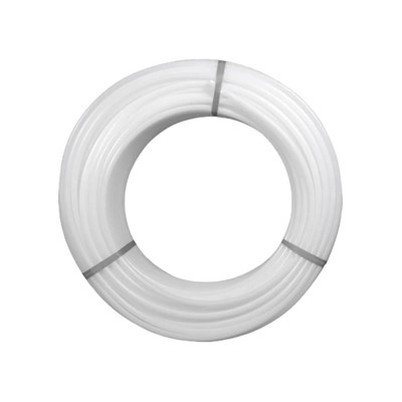
What is the impact of water velocity on pex - a pipes?
Leave a message

As a supplier of PEX - A pipes, I've witnessed firsthand the importance of understanding how various factors can impact the performance of these pipes. One such crucial factor is water velocity. In this blog post, I'll delve into the effects of water velocity on PEX - A pipes, exploring both the positive and negative impacts.
Understanding PEX - A Pipes
Before we discuss the impact of water velocity, let's briefly understand what PEX - A pipes are. PEX - A, or cross - linked polyethylene type A, is a popular choice for plumbing systems due to its flexibility, durability, and resistance to corrosion. It conforms to standards such as PE - Xa Pipe ISO15875, which ensures its quality and safety for use in water distribution systems.
Positive Impacts of Appropriate Water Velocity
- Efficient Water Distribution
- When water flows through PEX - A pipes at an appropriate velocity, it ensures efficient distribution throughout the plumbing system. An optimal water velocity helps in maintaining a consistent water pressure at different fixtures in a building. For example, in a multi - story building, the right water velocity can ensure that water reaches all floors with sufficient pressure for proper functioning of showers, faucets, and toilets.
- It also reduces the likelihood of stagnant water in the pipes. Stagnant water can lead to the growth of bacteria and other microorganisms, which can pose health risks. By keeping the water moving at a suitable velocity, we can prevent the formation of stagnant pockets and maintain water quality.
- Self - Cleaning Effect
- A moderate water velocity can have a self - cleaning effect on PEX - A pipes. As water flows through the pipes, it can carry away small particles and debris that may accumulate over time. This helps in preventing the build - up of sediment and scale inside the pipes, which can reduce the pipe's inner diameter and restrict water flow. For instance, in areas with hard water, a proper water velocity can prevent the rapid deposition of calcium and magnesium salts on the pipe walls.
Negative Impacts of High Water Velocity
- Noise and Vibration
- High water velocity in PEX - A pipes can cause noise and vibration. When water flows too quickly through the pipes, it can create a whistling or hammering sound, especially when valves are suddenly opened or closed. This phenomenon, known as water hammer, can be not only annoying but also potentially damaging to the plumbing system. The vibrations caused by high - velocity water can loosen pipe fittings over time, leading to leaks.
- The noise can be a significant issue in residential buildings, where it can disrupt the peace and comfort of the occupants. In commercial settings, it can also be a nuisance, especially in quiet areas such as offices or hospitals.
- Erosion and Wear
- Excessive water velocity can lead to erosion and wear of the PEX - A pipe walls. The high - speed water can act like sandpaper, gradually wearing away the inner surface of the pipe. This can weaken the pipe structure over time and increase the risk of leaks. In extreme cases, it can even cause the pipe to rupture.
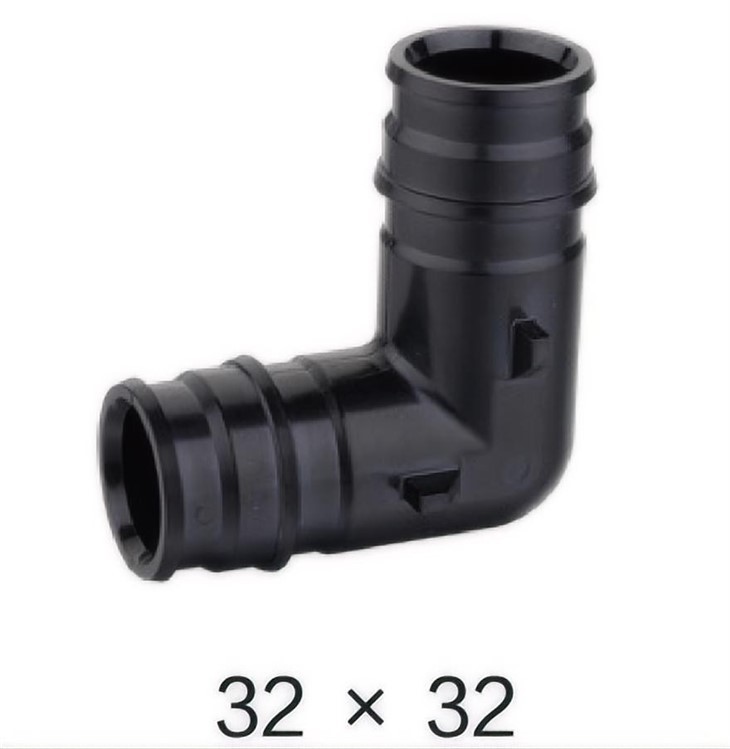
- High - velocity water can also cause erosion at pipe fittings, such as PPSU Tee and Ppsu Elbow 90°. The fittings may experience more stress due to the high - speed water flow, and their seals can be compromised, leading to leaks.
- Increased Friction Loss
- As water velocity increases, the friction between the water and the pipe walls also increases. This results in greater friction loss, which means that more energy is required to maintain the water flow. In a plumbing system, this can lead to higher pumping costs, especially in large - scale commercial or industrial applications. The increased friction can also reduce the overall efficiency of the system, as less water may reach the intended fixtures due to the energy losses.
Negative Impacts of Low Water Velocity
- Bacterial Growth
- Low water velocity can lead to the growth of bacteria and other harmful microorganisms in PEX - A pipes. When water moves slowly or remains stagnant, it provides an ideal environment for bacteria to multiply. For example, Legionella bacteria, which can cause Legionnaires' disease, can thrive in warm, stagnant water. In a building's plumbing system, if the water velocity is too low, especially in unused or rarely used sections of the pipes, the risk of Legionella growth increases significantly.
- Scale and Sediment Build - Up
- With low water velocity, sediment and scale are more likely to accumulate in the pipes. As mentioned earlier, in areas with hard water, the slow - moving water allows calcium and magnesium salts to settle on the pipe walls. Over time, this can form a thick layer of scale, which can reduce the pipe's capacity and increase the risk of blockages. In addition, other debris such as dirt and rust particles can also settle in the pipes when the water velocity is low.
Finding the Optimal Water Velocity
- Calculation and Design
- Determining the optimal water velocity in PEX - A pipes requires careful calculation and design. Engineers and plumbers consider factors such as the pipe diameter, the length of the pipe run, the number of fixtures connected, and the overall water demand of the building. There are industry standards and guidelines available that recommend the appropriate water velocities for different types of plumbing applications.
- For example, in a residential building, the recommended water velocity in PEX - A pipes for cold water supply is typically in the range of 1 - 3 feet per second, while for hot water supply, it may be slightly lower to account for the expansion of water at higher temperatures.
- Flow Control Devices
- To maintain the optimal water velocity, flow control devices can be installed in the plumbing system. These devices can regulate the water flow rate and ensure that it stays within the recommended range. For instance, pressure - reducing valves can be used to limit the water pressure and, consequently, the water velocity. Flow restrictors can also be installed at individual fixtures to control the amount of water flowing through them.
Conclusion
In conclusion, water velocity has a significant impact on the performance and longevity of PEX - A pipes. While an appropriate water velocity can ensure efficient water distribution, maintain water quality, and prevent sediment build - up, high or low water velocities can cause a range of problems, including noise, erosion, bacterial growth, and reduced water flow. As a PEX - A pipe supplier, we understand the importance of providing high - quality pipes and also guiding our customers on the proper installation and maintenance of their plumbing systems to achieve the optimal water velocity.
If you are interested in purchasing PEX - A pipes or need more information on how to ensure the right water velocity in your plumbing system, we invite you to contact us for a detailed discussion. We can offer customized solutions based on your specific requirements and help you make the most of your plumbing investment.

References
- ASPE (American Society of Plumbing Engineers) Plumbing Engineering Design Handbook
- ASTM (American Society for Testing and Materials) standards related to PEX - A pipes
- International Plumbing Code (IPC) guidelines on water flow and velocity in plumbing systems