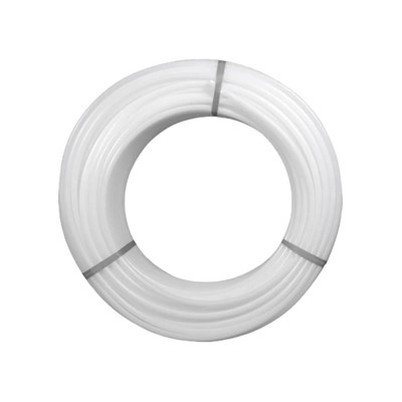
Can a 50mm PEX pipe be used for a wastewater system?
Leave a message

As a supplier of 50mm PEX pipes, I often encounter inquiries regarding the suitability of our products for various applications, including wastewater systems. In this blog post, I aim to delve into the question of whether a 50mm PEX pipe can be used for a wastewater system, exploring the technical aspects, advantages, limitations, and considerations.
Understanding PEX Pipes
PEX, or cross-linked polyethylene, is a type of plastic pipe that has gained popularity in plumbing systems due to its numerous advantages. PEX pipes are made by cross-linking polyethylene molecules, which enhances the pipe's strength, durability, and flexibility. There are different types of PEX pipes, such as PE-Xa, PE-Xb, and PE-Xc, each with its own manufacturing process and characteristics.
One of the key benefits of PEX pipes is their resistance to corrosion and scale buildup, which makes them suitable for both hot and cold water applications. Additionally, PEX pipes are flexible, allowing for easier installation in tight spaces and reducing the need for joints and fittings. They are also lightweight, which can lower transportation and installation costs.
Types of PEX Pipes Relevant to Our Discussion
- PE-Xa Pipe NSF: The PE-Xa pipe, certified by NSF (National Sanitation Foundation), meets strict standards for use in potable water systems. This type of PEX pipe is known for its high degree of cross-linking, which results in excellent chemical resistance and long-term durability. You can learn more about PE-Xa Pipe NSF here.
- PEX Anti UV Pipe: PEX Anti UV pipes are designed to withstand exposure to ultraviolet (UV) radiation. This is particularly important if the pipes are installed outdoors or in areas with significant sunlight exposure. The anti-UV properties prevent the degradation of the pipe material over time, ensuring its long-term performance. Find out more about PEX Anti UV Pipe here.
- PEX Pipe for Water Supply: As the name suggests, PEX pipes for water supply are specifically engineered to deliver clean and safe water to residential and commercial buildings. These pipes are available in various sizes, including 50mm, and are suitable for both hot and cold water distribution systems. You can explore more about PEX Pipe for Water Supply here.
Suitability of 50mm PEX Pipe for Wastewater Systems
Advantages
- Flexibility and Ease of Installation: A 50mm PEX pipe's flexibility allows it to be bent around obstacles without the need for additional fittings, reducing the risk of leaks at joints. This can simplify the installation process, especially in complex plumbing layouts or retrofit projects. For example, in a renovation where the existing structure restricts the use of rigid pipes, a flexible 50mm PEX pipe can be easily maneuvered into place.
- Corrosion Resistance: Wastewater often contains various chemicals, acids, and salts that can corrode traditional metal pipes over time. PEX pipes, on the other hand, are highly resistant to corrosion, ensuring a longer lifespan and reducing the need for frequent replacements. This is particularly beneficial in industrial or commercial settings where the wastewater may be more aggressive.
- Smooth Interior Surface: The smooth interior surface of PEX pipes minimizes the buildup of debris and sediment, reducing the risk of clogs and blockages in the wastewater system. This can help maintain the efficient flow of wastewater and prevent backups, which can be costly and disruptive to the building's occupants.
Limitations
- Temperature and Pressure Limitations: PEX pipes have specific temperature and pressure ratings that need to be considered when using them in a wastewater system. If the wastewater is extremely hot or the system operates at high pressures, the PEX pipe may not be suitable. For example, in a commercial kitchen where hot grease and high-temperature wastewater are discharged, the PEX pipe may need to be properly insulated or a different material may be required.
- Chemical Compatibility: While PEX pipes are generally resistant to many chemicals, there are some substances that can cause damage to the pipe material. For instance, certain solvents or strong oxidizing agents may degrade the PEX pipe over time. It is important to ensure that the wastewater does not contain any chemicals that are incompatible with the PEX pipe.
- UV Sensitivity: If the 50mm PEX pipe is installed outdoors or in an area exposed to sunlight, it may be necessary to use a PEX Anti UV pipe to prevent degradation of the pipe material due to UV radiation. Otherwise, the pipe's mechanical properties may be compromised, leading to a shorter lifespan.
Considerations for Using 50mm PEX Pipe in Wastewater Systems
System Design
- Proper Sizing: The 50mm size of the PEX pipe should be carefully considered based on the volume and flow rate of the wastewater. A pipe that is too small may result in restricted flow and increased pressure, while a pipe that is too large may lead to inefficient use of materials and higher costs. It is important to consult with a professional plumber or engineer to determine the appropriate pipe size for the specific wastewater system.
- Slope and Drainage: Adequate slope is essential for the proper drainage of wastewater in a PEX pipe system. The pipe should be installed with a minimum slope to ensure that the wastewater flows smoothly towards the drainage point. Improper slope can lead to standing water, which can cause odors, bacterial growth, and potential damage to the pipe.
Regulatory Compliance
- Local Codes and Standards: Before using a 50mm PEX pipe in a wastewater system, it is crucial to check the local plumbing codes and standards. Some jurisdictions may have specific requirements regarding the use of PEX pipes in wastewater applications, including restrictions on pipe size, installation methods, and material certifications. Ensuring compliance with these regulations is necessary to avoid legal issues and ensure the safety and functionality of the wastewater system.
Maintenance and Monitoring
- Regular Inspections: Regular inspections of the 50mm PEX pipe in the wastewater system are recommended to detect any signs of damage, leaks, or blockages early on. This can help prevent costly repairs and ensure the long-term performance of the system. Inspections should include checking the pipe joints, supports, and the overall condition of the pipe.
- Monitoring of Wastewater Quality: Monitoring the quality of the wastewater can help identify any potential issues that may affect the PEX pipe. For example, if the wastewater contains high levels of certain chemicals or contaminants, appropriate measures can be taken to protect the pipe, such as installing a pre-treatment system.
Conclusion
In conclusion, a 50mm PEX pipe can be a viable option for a wastewater system, offering several advantages such as flexibility, corrosion resistance, and a smooth interior surface. However, it also has some limitations, including temperature and pressure limitations, chemical compatibility issues, and UV sensitivity. By carefully considering the system design, regulatory compliance, and maintenance requirements, the use of a 50mm PEX pipe in a wastewater system can be a cost-effective and reliable solution.


If you are considering using a 50mm PEX pipe for your wastewater system or have any questions about our products, we encourage you to contact us for a detailed discussion. Our team of experts can provide you with the necessary information and guidance to help you make an informed decision. Whether you need advice on system design, product selection, or installation, we are here to assist you. Let's work together to ensure the success of your wastewater system project.
References
- National Sanitation Foundation (NSF) Standards for PEX Pipes
- Plumbing Codes and Standards of [Your Region]
- Manufacturer's Technical Data Sheets for 50mm PEX Pipes