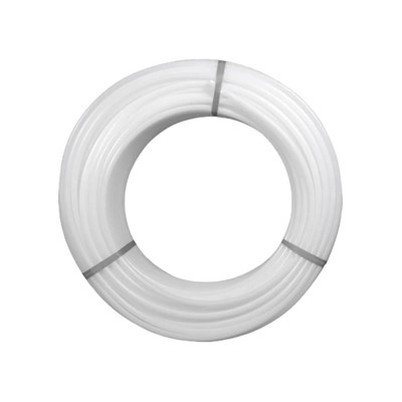
What is the difference between PERT Pipe and other plastic pipes?
Leave a message

Hey there! As a PERT Pipe supplier, I've had my fair share of chats with folks who are trying to figure out the best plastic pipes for their projects. One question that pops up all the time is, "What's the difference between PERT Pipe and other plastic pipes?" Well, let's dive right in and break it down.
Material Composition
First off, let's talk about what these pipes are made of. PERT, or Polyethylene Raised Temperature, is a special type of polyethylene. It's been engineered to handle higher temperatures than regular polyethylene. This is a big deal because it means PERT pipes can be used in hot water systems without a problem.
On the other hand, there are other common plastic pipes like PVC (Polyvinyl Chloride) and PP - R (Random Copolymer Polypropylene). PVC is a very popular choice for drainage and some cold - water applications. It's cheap, rigid, and easy to work with. But when it comes to hot water, PVC has its limits. High temperatures can cause PVC to soften and even release harmful chemicals.
PP - R is also used for plumbing systems. It's known for its good heat resistance and is often used in hot and cold water distribution. However, PERT has an edge in terms of flexibility. PP - R is more rigid and may require more complex joining methods, like heat fusion, which can be a bit tricky for DIYers.
Flexibility and Installation
One of the most noticeable differences between PERT pipes and other plastic pipes is flexibility. PERT pipes are super flexible. You can bend them around corners without having to use a whole bunch of fittings. This makes the installation process a whole lot quicker and easier.
For example, if you're working on a renovation project and need to run pipes through tight spaces, PERT pipes can be bent to fit. With PVC or PP - R, you'd have to cut the pipes and use elbows and couplings, which not only takes more time but also increases the chances of leaks.
When it comes to joining PERT pipes, it's relatively straightforward. You can use compression fittings or push - fit connectors. These are easy to install, even for those with limited plumbing experience. In contrast, PVC often requires solvent welding, which involves using a special glue that can be messy and needs to be applied carefully. And as mentioned earlier, PP - R needs heat fusion, which requires special equipment.
Temperature Resistance
As I mentioned before, PERT pipes are designed to handle high temperatures. They can withstand continuous hot water flow at temperatures up to around 70°C and short - term spikes up to 95°C. This makes them ideal for underfloor heating systems and hot water supply lines.
PVC, on the other hand, starts to soften at temperatures above 60°C. So, it's not suitable for hot water applications where the temperature might go higher. PP - R can handle hot water up to around 70 - 95°C, similar to PERT. But PERT's flexibility at high temperatures gives it an advantage in situations where the pipes might expand and contract due to temperature changes.
Chemical Resistance
All plastic pipes have some level of chemical resistance, but the degree varies. PERT pipes have good resistance to a wide range of chemicals commonly found in water systems, such as acids and alkalis. This means they can last longer in different water conditions without getting corroded.
PVC is also chemically resistant, but it can be affected by some solvents and strong chemicals. If you're using PVC in an industrial setting where there might be exposure to harsh chemicals, you need to be careful. PP - R has decent chemical resistance as well, but again, PERT's overall performance in different chemical environments is quite good.
Durability
Durability is a key factor when choosing pipes. PERT pipes have a long lifespan. They are resistant to cracking and bursting, even under pressure. This is because of their high - density polyethylene material and the way they are manufactured.
PVC pipes are also durable, but they can become brittle over time, especially when exposed to sunlight. This can lead to cracks and leaks. PP - R pipes are generally durable, but the joints made through heat fusion need to be done correctly to ensure long - term durability. If the fusion isn't done properly, it can be a weak point in the system.
Cost
Cost is always a consideration in any project. PERT pipes may be a bit more expensive than PVC pipes. However, when you factor in the ease of installation, lower labor costs, and long - term durability, the overall cost - effectiveness of PERT pipes can be quite high.
PP - R pipes are in a similar price range to PERT pipes. But again, the cost of the special equipment needed for heat fusion can add to the overall cost of the project.
Applications
PERT pipes are commonly used in underfloor heating systems. Their flexibility and high - temperature resistance make them a perfect fit for this application. They are also used in hot and cold water supply lines in residential and commercial buildings.
PVC pipes are mainly used for drainage systems, both in buildings and outdoors. They are also used for some cold - water supply lines in non - critical applications. PP - R pipes are popular for plumbing systems, especially for hot and cold water distribution in new construction projects.
If you're looking for a high - quality PERT Pipe, you can check out our PERT Tube. It's made with the best materials and meets all the industry standards.
So, in conclusion, PERT pipes have several advantages over other plastic pipes. Their flexibility, temperature resistance, ease of installation, and durability make them a great choice for many applications. If you're in the market for plastic pipes for your next project, I highly recommend considering PERT pipes.
If you're interested in purchasing PERT pipes for your project, I'd love to have a chat with you. We can discuss your specific needs, the quantity you require, and any other questions you might have. Feel free to reach out, and let's start a conversation about how we can meet your piping needs.


References
- "Plastic Pipes Handbook" by various industry experts
- Manufacturer's specifications for PERT, PVC, and PP - R pipes