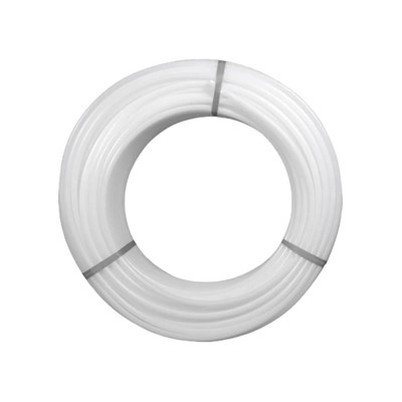
Can Pex heating pipe be used in hot spring heating systems?
Leave a message

As a Pex heating pipe supplier, I've encountered numerous inquiries about the suitability of Pex heating pipes for hot spring heating systems. This topic is not only of great interest to industry professionals but also to those considering installing hot spring facilities in their homes or commercial spaces. In this blog, I'll delve into the technical aspects, advantages, and potential challenges of using Pex heating pipes in hot spring heating systems.
Technical Characteristics of Pex Heating Pipes
Pex, or cross-linked polyethylene, is a type of plastic material that has gained popularity in the plumbing and heating industry due to its excellent physical and chemical properties. There are different types of Pex pipes, such as PE-Xa, PE-Xb, and PE-Xc, each with its own manufacturing process and characteristics.
High Temperature Resistance
One of the key factors in hot spring heating systems is the ability to withstand high temperatures. Pex heating pipes are designed to handle elevated temperatures. Most Pex pipes can operate safely at temperatures up to 95°C (203°F) continuously and can withstand short - term temperature spikes even higher. Hot springs typically have water temperatures ranging from 30°C to 60°C, well within the temperature tolerance of Pex heating pipes.
Flexibility
Pex pipes are highly flexible, which makes them easy to install in complex layouts. In hot spring heating systems, pipes may need to be routed around obstacles or through tight spaces. The flexibility of Pex pipes allows for a more efficient installation process, reducing the need for numerous joints and fittings. This not only saves time but also minimizes the potential for leaks.
Chemical Resistance
Hot spring water often contains various minerals and chemicals, such as sulfur, calcium, and magnesium. Pex pipes have good chemical resistance, which helps prevent corrosion and scaling. This is crucial for the long - term performance of the heating system, as corrosion and scaling can reduce the flow rate and heat transfer efficiency of the pipes.
Advantages of Using Pex Heating Pipes in Hot Spring Heating Systems
Cost - Effective
Compared to traditional metal pipes, such as copper or steel, Pex heating pipes are generally more cost - effective. The material cost of Pex pipes is lower, and the installation process is simpler and faster, which can significantly reduce labor costs. For large - scale hot spring heating projects, this cost savings can be substantial.
Energy Efficiency
Pex pipes have a low thermal conductivity, which means they can retain heat better than metal pipes. In a hot spring heating system, this property helps to reduce heat loss during the transfer of hot water from the source to the heating elements. As a result, less energy is required to maintain the desired water temperature, leading to lower energy bills.
Long Service Life
Pex pipes have a long service life, typically lasting 50 years or more. This is due to their resistance to corrosion, abrasion, and environmental factors. In a hot spring heating system, where the pipes are constantly exposed to hot water and various chemicals, the long service life of Pex pipes ensures reliable and continuous operation over an extended period.
Potential Challenges and Solutions
UV Resistance
Pex pipes are not naturally resistant to ultraviolet (UV) radiation. If the pipes are exposed to direct sunlight for an extended period, the UV rays can degrade the material and reduce its performance. However, there are Pex Anti UV Pipe available in the market, such as those offered at PEX Anti UV Pipe. These pipes are specially formulated with UV - stabilizing additives to protect them from UV damage.
Oxygen Barrier
In some hot spring heating systems, it may be necessary to prevent oxygen from entering the pipes. Oxygen can cause corrosion in the heating system components, such as boilers and radiators. Some Pex pipes come with an oxygen barrier layer, which effectively blocks oxygen from diffusing into the water. When selecting Pex pipes for a hot spring heating system, it's important to consider whether an oxygen - barrier pipe is required.
Compatibility with Fittings
Proper fitting selection is crucial for the performance of a Pex heating system. Different types of Pex pipes may require specific types of fittings. It's essential to use high - quality fittings that are compatible with the Pex pipes to ensure a leak - free connection. There are various types of Pex fittings available, such as crimp fittings, push - to - connect fittings, and expansion fittings.

Applications in Different Types of Hot Spring Heating Systems
Residential Hot Spring Pools
In residential settings, Pex heating pipes are an ideal choice for hot spring pools. The flexibility of the pipes allows for easy installation around the pool perimeter or under the pool deck. The cost - effectiveness and energy efficiency of Pex pipes make them a popular option for homeowners looking to create a relaxing and comfortable hot spring experience in their backyards. For water supply in these systems, PEX Pipe for Water Supply can be used to ensure a reliable and clean water source.
Commercial Hot Spring Resorts
Commercial hot spring resorts often have large - scale heating systems that require a large number of pipes. Pex pipes can be easily used in these systems due to their ease of installation and long service life. The chemical resistance of Pex pipes is especially important in commercial settings, as the hot spring water may be used more intensively and may contain higher concentrations of minerals and chemicals. For plumbing applications in these resorts, PE-Xa Pipe for Plumbing Pipe can be a suitable choice.
Conclusion
In conclusion, Pex heating pipes can be effectively used in hot spring heating systems. Their high temperature resistance, flexibility, chemical resistance, cost - effectiveness, energy efficiency, and long service life make them a viable option for both residential and commercial applications. While there are some potential challenges, such as UV resistance and oxygen barrier requirements, these can be easily addressed with the appropriate product selection.
If you're considering using Pex heating pipes in your hot spring heating system, I encourage you to contact us for more information. Our team of experts can help you select the right type of Pex pipes and fittings for your specific needs. Whether you're a homeowner planning a backyard hot spring or a commercial developer building a large - scale resort, we have the products and expertise to ensure a successful heating system installation.
References
- "Cross - Linked Polyethylene (PEX) Tubing for Water Distribution Systems" - American Society of Plumbing Engineers
- "Guidelines for the Installation of PEX Piping Systems" - International Association of Plumbing and Mechanical Officials
- "Thermal Performance of PEX Pipes in Heating Applications" - Journal of Building and Construction Materials