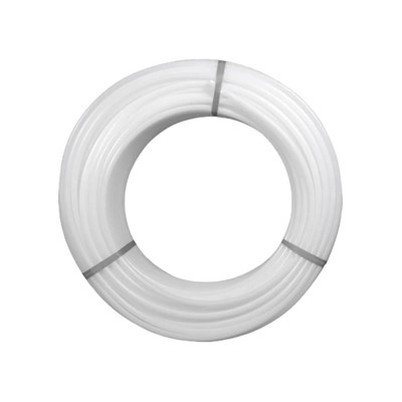
How to deal with the expansion and contraction of PE - X Pipe?
Leave a message

PE-X pipes, known for their excellent flexibility, durability, and resistance to corrosion, are widely used in various plumbing and heating systems. However, one of the challenges that users often face is the expansion and contraction of PE-X pipes due to temperature changes. As a PE-X pipe supplier, I understand the importance of addressing this issue to ensure the long - term performance and reliability of the piping systems. In this blog, I will share some effective ways to deal with the expansion and contraction of PE - X pipes.
Understanding the Expansion and Contraction of PE - X Pipes
Before we discuss the solutions, it's crucial to understand why PE - X pipes expand and contract. Like most materials, PE - X pipes have a coefficient of thermal expansion. When the temperature rises, the molecules in the pipe material gain energy and start to move more freely, causing the pipe to expand. Conversely, when the temperature drops, the molecules lose energy and move closer together, resulting in contraction.
The amount of expansion or contraction depends on several factors, including the type of PE - X pipe (such as PE - Xa, PE - Xb, or PE - Xc), the temperature range, and the length of the pipe. For example, PE - Xa Pipe ISO15875 may have different expansion characteristics compared to other types due to its unique cross - linking process.
Design Considerations
Allowance for Expansion
One of the most fundamental steps in dealing with pipe expansion and contraction is to design the piping system with sufficient expansion allowance. This can be achieved by incorporating expansion loops or bends in the pipe layout. Expansion loops are U - shaped sections of pipe that are designed to absorb the expansion and contraction forces. When the pipe expands, the loop can stretch, and when it contracts, the loop can compress without putting excessive stress on the pipe joints or other components of the system.
The size and shape of the expansion loop depend on the pipe diameter, the expected temperature range, and the length of the pipe run. Engineers typically use specific formulas and guidelines to calculate the appropriate dimensions of the expansion loop. For example, for a long straight run of PE - X pipe in a heating system where the temperature can vary significantly, a well - designed expansion loop can prevent the pipe from buckling or causing damage to the surrounding structures.
Proper Pipe Support
Proper pipe support is also essential to manage the expansion and contraction of PE - X pipes. Pipes should be supported at regular intervals to prevent sagging and to guide the expansion and contraction in a controlled manner. The type of support used depends on the pipe diameter, the location of the pipe, and the expected movement.
For horizontal pipes, hangers or brackets can be used to support the pipe at appropriate intervals. These supports should be designed to allow the pipe to move freely in the direction of expansion and contraction. For vertical pipes, guides can be installed to keep the pipe in place while allowing it to expand and contract vertically. It's important to ensure that the supports are not too rigid, as this can restrict the natural movement of the pipe and lead to stress concentration and potential damage.
Installation Practices
Correct Pipe Installation
During the installation process, it's crucial to follow the manufacturer's instructions carefully. This includes using the correct tools and techniques for cutting, joining, and bending the pipes. Incorrect installation can lead to weak joints or improper alignment, which can exacerbate the problems caused by expansion and contraction.
For example, when joining PE - X pipes, using the right type of fittings is essential. PPSU Tee is a popular fitting option that can provide a secure and leak - free connection. The installation of these fittings should be done precisely to ensure that they can withstand the forces generated by the expansion and contraction of the pipes.
Temperature Considerations during Installation
The temperature at which the pipes are installed also matters. It's best to install the pipes at a moderate temperature, close to the average operating temperature of the system. If the pipes are installed at a very low temperature, they will expand more during normal operation, and if they are installed at a high temperature, they will contract more when the temperature drops. This can put additional stress on the pipes and fittings.


Material Selection
Choosing the Right Type of PE - X Pipe
As mentioned earlier, different types of PE - X pipes have different coefficients of thermal expansion. PE - Xa Pipe Watermark is known for its high - quality cross - linking, which can result in more predictable expansion and contraction behavior compared to some other types. When selecting the pipe material, it's important to consider the specific requirements of the application, including the temperature range, the pressure, and the expected service life.
Compatibility with Other Components
In addition to choosing the right type of PE - X pipe, it's also important to ensure that the pipe is compatible with other components in the system, such as valves, pumps, and fittings. Incompatible materials can cause problems due to differences in expansion and contraction rates, which can lead to leaks, joint failures, or other issues.
Monitoring and Maintenance
Regular Inspections
Once the piping system is installed, regular inspections are necessary to detect any signs of problems caused by expansion and contraction. Inspections should include checking for leaks, loose fittings, and any visible signs of stress or damage on the pipes. Early detection of issues can prevent more serious problems from developing and can save on repair costs in the long run.
Maintenance and Repairs
If any problems are detected during the inspections, prompt maintenance and repairs should be carried out. This may involve tightening loose fittings, replacing damaged pipes or fittings, or adjusting the pipe supports. It's important to use the correct replacement parts and follow the proper repair procedures to ensure the continued performance of the system.
Conclusion
Dealing with the expansion and contraction of PE - X pipes is a multi - faceted challenge that requires careful consideration in design, installation, material selection, and maintenance. By following the guidelines outlined in this blog, you can minimize the risks associated with pipe expansion and contraction and ensure the long - term reliability of your plumbing and heating systems.
If you are in the market for high - quality PE - X pipes and related components, we are here to help. We offer a wide range of PE - X pipes, fittings, and other products to meet your specific needs. Whether you are a contractor, an engineer, or a DIY enthusiast, our team of experts can provide you with the technical support and advice you need. Contact us to start a procurement discussion and find the best solutions for your projects.
References
- "Plastic Pipes Handbook" by the International Association of Plastic Pipe
- Technical documents provided by PE - X pipe manufacturers
- Industry standards and guidelines related to plumbing and heating systems