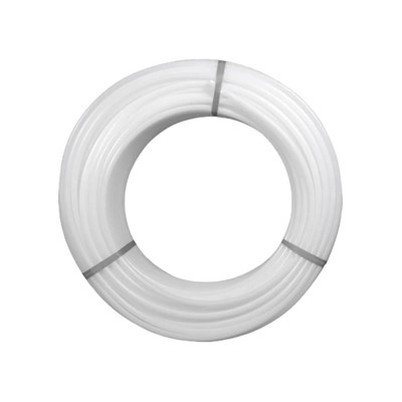
What type of meter is compatible with a 3/4 pex pipe?
Leave a message

Hey there! I'm a supplier of 3/4 PEX pipes, and I often get asked about what type of meter is compatible with these pipes. So, I thought I'd write this blog to share some insights and help you make the right choice.
First off, let's understand what 3/4 PEX pipes are all about. PEX, or cross-linked polyethylene, is a popular choice for plumbing systems because it's flexible, durable, and resistant to corrosion. The 3/4 size refers to the nominal diameter of the pipe, which is commonly used in both residential and commercial applications. Whether you're dealing with a hot water supply, a radiant floor heating system, or a regular plumbing setup, 3/4 PEX pipes can do the job.
Now, when it comes to choosing a meter for your 3/4 PEX pipes, there are a few factors to consider. The main goal is to find a meter that can accurately measure the flow of water through the pipe without causing any significant pressure drop or flow restrictions.
Types of Meters
1. Mechanical Meters
Mechanical meters are the most traditional type of water meters. They work based on the mechanical movement of components inside the meter as water flows through it. One common type is the turbine meter. In a turbine meter, water flowing through the pipe causes a turbine to spin. The speed of the turbine is proportional to the flow rate of the water, and this rotation is then translated into a measurement of the volume of water that has passed through the meter.
Another type of mechanical meter is the positive displacement meter. This type of meter measures the volume of water by trapping and releasing discrete volumes of water in chambers. As the water fills and empties these chambers, the movement is counted to determine the total volume of water that has flowed through.
Mechanical meters are generally reliable and cost - effective. However, they can be affected by debris in the water, which can cause wear and tear on the moving parts over time. Also, they may not be as accurate at very low or very high flow rates.
2. Ultrasonic Meters
Ultrasonic meters use ultrasonic waves to measure the flow of water. There are two main types: transit - time and Doppler.
Transit - time ultrasonic meters work by sending ultrasonic signals in both the direction of the water flow and against it. The difference in the time it takes for the signals to travel is used to calculate the flow rate of the water. This type of meter is very accurate and can measure a wide range of flow rates. It also has no moving parts, which means there is less wear and tear and a lower risk of clogging.
Doppler ultrasonic meters, on the other hand, work by sending an ultrasonic signal into the water. The signal bounces off particles or bubbles in the water, and the change in frequency of the reflected signal is used to determine the flow rate. This type of meter is more suitable for water with some level of suspended solids.

Ultrasonic meters are generally more expensive than mechanical meters, but they offer better accuracy and reliability, especially in applications where precise measurements are required.
3. Electromagnetic Meters
Electromagnetic meters work based on Faraday's law of electromagnetic induction. When water, which is a conductive fluid, flows through a magnetic field created by the meter, a voltage is induced. The magnitude of this voltage is proportional to the flow rate of the water.
Electromagnetic meters are very accurate and can measure a wide range of flow rates. They also have no moving parts and are not affected by the viscosity or density of the water. However, they require the water to be conductive, so they may not be suitable for all applications.
Compatibility with 3/4 PEX Pipes
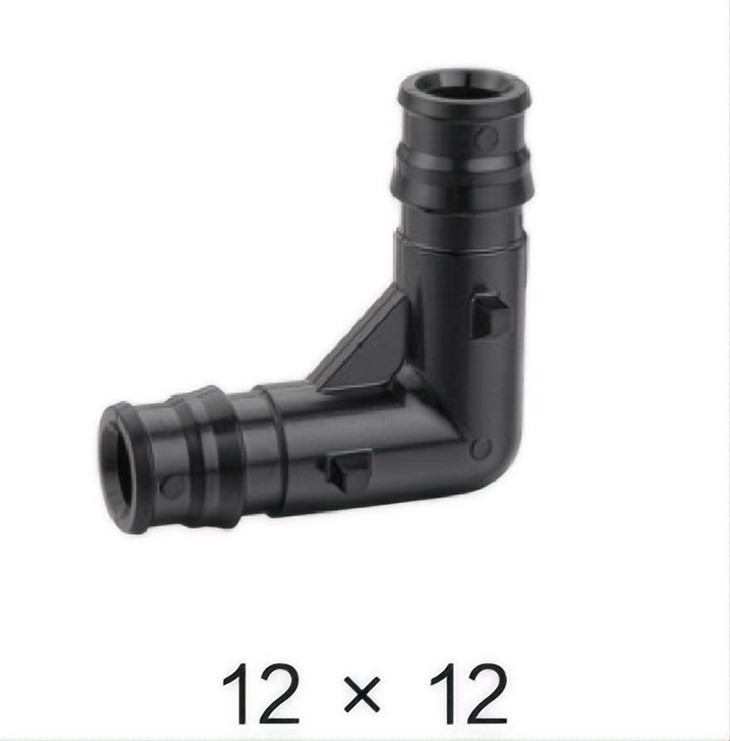
When choosing a meter for your 3/4 PEX pipes, you need to make sure that the meter has the right connection size. Most meters come with standard connection sizes, and you'll want to find one that matches the 3/4 PEX pipe. You can use appropriate fittings to connect the meter to the PEX pipe. For example, you might use Ppsu Elbow 90° to make the connection in a tight space or to change the direction of the pipe.
Another important consideration is the pressure rating of the meter. PEX pipes can handle a certain amount of pressure, and the meter should be able to withstand the same or higher pressure to ensure safe and accurate operation.
If you're using the 3/4 PEX pipes for a specific application like floor heating, you might want to consider a meter that is specifically designed for that purpose. PEX Pipe for Floor Heating often requires more precise flow measurements to ensure efficient heating. In such cases, an ultrasonic or electromagnetic meter might be a better choice.
Also, if you're dealing with water that has a high level of impurities or debris, you might want to choose a meter that is less likely to be affected by these factors. For example, an ultrasonic meter with no moving parts is less likely to get clogged compared to a mechanical meter.
Installation and Maintenance
Once you've chosen the right meter for your 3/4 PEX pipes, proper installation is crucial. Make sure to follow the manufacturer's instructions carefully. You may need to use appropriate tools and techniques to connect the meter to the PEX pipe securely.
Regular maintenance is also important to ensure the accurate and long - term operation of the meter. For mechanical meters, this may involve cleaning the moving parts periodically to remove any debris. For ultrasonic and electromagnetic meters, you may need to check the calibration and the integrity of the sensors from time to time.
Conclusion
In conclusion, there are several types of meters that can be compatible with 3/4 PEX pipes, including mechanical, ultrasonic, and electromagnetic meters. The choice depends on various factors such as the application, the accuracy requirements, the quality of the water, and the budget.
If you're in the market for 3/4 PEX pipes or need more advice on choosing the right meter for your plumbing system, don't hesitate to reach out. We're here to help you make the best decision for your project. You can also check out PE - Xa Pipe Watermark for more information about our high - quality PEX pipes.
If you have any questions or want to discuss your specific requirements for purchasing 3/4 PEX pipes and compatible meters, feel free to contact us. We're always ready to have a chat and work out the best solution for you.
References
- Water Meter Handbook, American Water Works Association
- PEX Pipe Installation Guide, Plumbing Manufacturers International