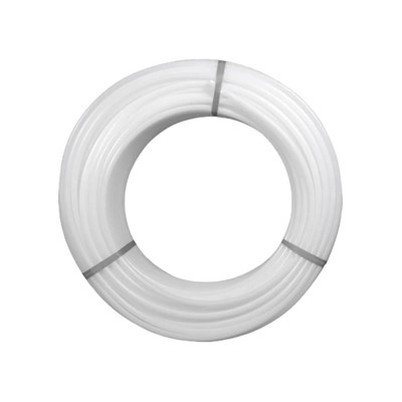
Can 3/4 pex piping be used in a water softener system?
Leave a message

When it comes to water softener systems, choosing the right piping is crucial for ensuring efficient and long - lasting performance. One question that often arises is whether 3/4 PEX piping can be used in a water softener system. As a 3/4 PEX piping supplier, I'm here to provide you with in - depth insights on this topic.
Understanding PEX Piping
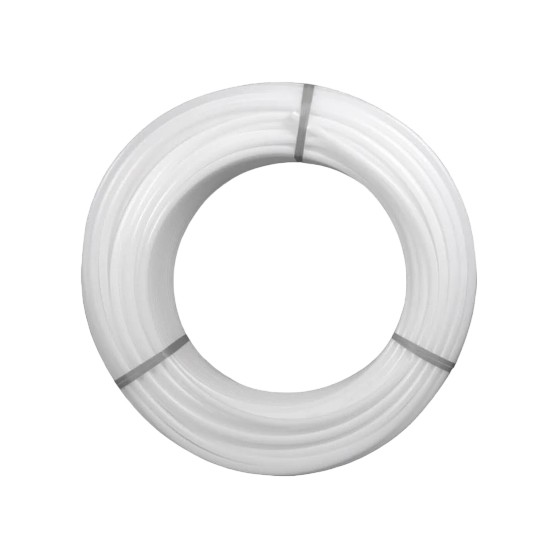
PEX, or cross - linked polyethylene, is a flexible plastic tubing that has gained popularity in plumbing applications over the past few decades. It offers several advantages over traditional piping materials such as copper and PVC. PEX piping is resistant to corrosion, which is a significant benefit in water systems, especially those that may be exposed to various chemicals or minerals in the water. It is also more flexible, making it easier to install in tight spaces and around obstacles. This flexibility reduces the need for numerous fittings, which can be a potential source of leaks in a plumbing system.
There are different types of PEX piping available in the market, each designed for specific applications. For example, PEX Anti UV Pipe is suitable for outdoor use as it can withstand exposure to sunlight without degrading. PEX Pipe for Water Supply is commonly used for delivering potable water to homes and buildings, while PEX Pipe for Floor Heating is designed to handle the higher temperatures and pressure requirements of radiant floor heating systems.
Suitability of 3/4 PEX Piping for Water Softener Systems
Flow Rate
One of the primary considerations when selecting piping for a water softener system is the flow rate. A water softener needs an adequate supply of water to function effectively. A 3/4 PEX pipe has a relatively large internal diameter compared to smaller pipes, which allows for a higher flow rate. This is beneficial for water softener systems, as they often require a consistent and sufficient flow of water to regenerate the resin beads and remove hardness minerals from the water. In most residential and small - commercial applications, a 3/4 PEX pipe can easily meet the flow rate requirements of a typical water softener.
Pressure Tolerance
Water softener systems operate under a certain amount of pressure. The 3/4 PEX piping is designed to handle a wide range of pressures commonly found in water distribution systems. It can withstand the pressure changes that occur during the normal operation of a water softener, including the backwashing and regeneration cycles. PEX piping has a high burst pressure rating, which provides an extra margin of safety in case of sudden pressure surges in the system.
Compatibility with Water Softener Components
3/4 PEX piping is compatible with most water softener components. It can be easily connected to the inlet and outlet ports of the water softener using appropriate fittings. These fittings are designed to create a secure and leak - free connection, ensuring that the water softener system operates efficiently. Additionally, PEX piping is resistant to the chemicals used in water softening processes, such as salt brine. This resistance prevents the piping from deteriorating over time, which could otherwise lead to leaks or reduced system performance.
Installation Considerations
Ease of Installation
One of the significant advantages of using 3/4 PEX piping in a water softener system is its ease of installation. Unlike rigid pipes such as copper or PVC, PEX piping can be bent and shaped without the need for extensive cutting and soldering. This flexibility allows for a quicker and more straightforward installation process, reducing labor costs and installation time. PEX piping can be easily routed around obstacles and through tight spaces, making it an ideal choice for both new installations and retrofitting existing water softener systems.
Proper Support
Although PEX piping is flexible, it still requires proper support to prevent sagging and damage. When installing 3/4 PEX piping in a water softener system, it is essential to use appropriate hangers and supports at regular intervals. This ensures that the piping remains in place and does not experience excessive stress, which could lead to leaks or pipe failure over time.
Fitting Selection
Selecting the right fittings is crucial for a successful installation of a 3/4 PEX piping system in a water softener. There are various types of fittings available, such as crimp fittings, push - to - connect fittings, and expansion fittings. Each type of fitting has its own installation requirements and advantages. For example, crimp fittings are a popular choice for their reliability and affordability, while push - to - connect fittings offer a quick and easy installation method. It is important to choose fittings that are compatible with the PEX piping and the water softener components to ensure a secure and leak - free connection.
Maintenance and Long - Term Performance
Resistance to Scale and Deposits
Water softener systems are designed to remove hardness minerals from the water, which can cause scale and deposits to form in pipes and plumbing fixtures. 3/4 PEX piping is resistant to scale and deposits, which helps to maintain the flow rate and efficiency of the water softener system over time. Unlike metal pipes, PEX does not corrode or develop rust, which can further improve the quality of the water flowing through the system.

Longevity
PEX piping has a long service life. When properly installed and maintained, 3/4 PEX piping in a water softener system can last for several decades. This longevity is due to its resistance to corrosion, chemicals, and physical damage. Additionally, PEX piping is less prone to freezing and bursting compared to metal pipes, which is an important consideration in areas with cold climates.
Cost - Effectiveness
Initial Cost
The initial cost of 3/4 PEX piping is generally lower than that of copper piping. This makes it a more cost - effective option for water softener system installations, especially for budget - conscious consumers. The lower cost of PEX piping, combined with the reduced labor costs associated with its ease of installation, can result in significant savings compared to using traditional piping materials.
Long - Term Savings
In the long run, 3/4 PEX piping can also provide cost savings. Its resistance to corrosion and scale formation reduces the need for frequent maintenance and replacement of pipes. This means fewer repair costs and less downtime for the water softener system. Additionally, the energy efficiency of a well - functioning water softener system with PEX piping can lead to lower water and energy bills over time.
Conclusion
In conclusion, 3/4 PEX piping is an excellent choice for water softener systems. It offers numerous advantages, including high flow rate, pressure tolerance, compatibility with water softener components, ease of installation, and long - term performance. Whether you are installing a new water softener system or upgrading an existing one, 3/4 PEX piping can provide a reliable and cost - effective solution.
If you are considering using 3/4 PEX piping for your water softener system, I encourage you to contact me for more information and to discuss your specific requirements. I am a professional 3/4 PEX piping supplier, and I can offer you high - quality products and expert advice to ensure that your water softener system operates at its best.
References
- "Plumbing Engineering: Design and Installation" by Andrew A. Wright
- "Water Treatment Handbook" by Water Quality Association
- Manufacturer's specifications and installation guides for 3/4 PEX piping and water softener systems