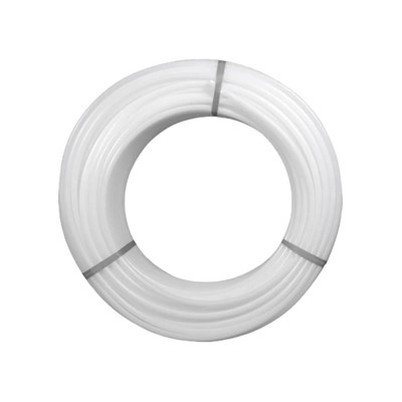
What is the fire - resistance performance of Pex heating pipe?
Leave a message

Hey there! As a supplier of Pex heating pipes, I often get asked about the fire - resistance performance of these pipes. It's a crucial question, especially when it comes to safety in heating systems. So, let's dig deep into what the fire - resistance of Pex heating pipes is all about.
First off, let's understand what Pex heating pipes are. Pex, which stands for cross - linked polyethylene, is a type of plastic pipe that's widely used in heating systems. It's known for its flexibility, durability, and ease of installation. But when it comes to fire, how does it hold up?
The fire - resistance of Pex heating pipes is a complex topic. Pex is a thermoplastic material, which means it can melt when exposed to high temperatures. Unlike some metal pipes that can withstand extreme heat without melting, Pex has its limits. When the temperature reaches a certain point, usually around 250 - 300 degrees Celsius, Pex starts to soften and then melt.
However, it's important to note that just because it can melt doesn't mean it's a major fire hazard. Most modern Pex heating pipes are designed with certain fire - retardant properties. These properties are added during the manufacturing process to slow down the spread of fire and reduce the amount of smoke produced if a fire does occur.
There are different types of Pex pipes, such as PE - Xa, PE - Xb, and PE - Xc. Each type may have slightly different fire - resistance characteristics. For example, PE - Xa Pipe NSF is a well - known type of Pex pipe. It's often used in plumbing and heating systems and has been tested according to NSF standards. These standards take into account the fire - resistance of the pipe to ensure it meets safety requirements.
When a fire breaks out in a building with Pex heating pipes, the first thing that happens is that the pipe will start to heat up. As the temperature rises, the plastic may start to emit some fumes. But if the pipe has proper fire - retardant additives, these fumes will be less toxic and the spread of the fire will be slower.
One of the key factors in the fire - resistance of Pex heating pipes is the thickness of the pipe wall. Thicker - walled Pex pipes generally have better fire - resistance than thinner ones. This is because the extra material provides more insulation and takes longer to heat up and melt.
Another important aspect is the installation of the Pex heating pipes. If the pipes are installed correctly, with proper spacing and insulation, it can also improve their fire - resistance. For example, if the pipes are installed in a well - ventilated area, the heat can dissipate more easily, reducing the risk of the pipes reaching their melting point.
Let's talk about the standards that Pex heating pipes need to meet in terms of fire - resistance. PE - Xa Pipe ISO15875 is a standard that many Pex pipes are designed to meet. This ISO standard sets out the requirements for the performance of Pex pipes in different applications, including their fire - resistance.
When it comes to real - world scenarios, the fire - resistance of Pex heating pipes can make a big difference. In a small fire, the fire - retardant properties of the pipes can prevent the fire from spreading quickly through the heating system. This gives people more time to evacuate the building and allows firefighters to get the situation under control.


But it's not all about the pipes themselves. The overall fire - safety of a building also depends on other factors, such as the presence of sprinkler systems, fire alarms, and proper building design. Pex heating pipes are just one part of the equation.
Now, if you're in the market for Pex heating pipes, you might be wondering how to choose pipes with good fire - resistance. Look for pipes that are certified to meet relevant standards, like the ones mentioned above. Also, ask the supplier about the specific fire - retardant additives used in the pipes.
PE - Xa Pipe for Plumbing Pipe is another option that you can consider. It's designed for both plumbing and heating applications and has been engineered to have good fire - resistance properties.
As a Pex heating pipe supplier, I always emphasize the importance of fire - safety. We make sure that our pipes are tested and meet all the necessary standards. We also provide detailed information to our customers about the fire - resistance of our products.
If you're interested in learning more about the fire - resistance performance of our Pex heating pipes or if you're thinking about making a purchase, don't hesitate to reach out. We're here to answer all your questions and help you make the right choice for your heating system. Whether you're a contractor working on a large - scale project or a homeowner looking to upgrade your heating, we've got the right Pex pipes for you.
In conclusion, the fire - resistance performance of Pex heating pipes is a combination of the pipe's material properties, the presence of fire - retardant additives, and proper installation. While Pex is a thermoplastic that can melt under high temperatures, modern pipes are designed to be as safe as possible in case of a fire. So, when it comes to choosing Pex heating pipes, make sure to consider their fire - resistance along with other factors like cost, durability, and ease of installation.
If you have any further questions or would like to discuss your specific needs, feel free to contact us. We're looking forward to chatting with you and helping you find the perfect Pex heating pipes for your project.
References
- Industry reports on Pex pipe safety and fire - resistance
- Technical specifications of Pex pipes from leading manufacturers
- Research papers on thermoplastics and their behavior in fires