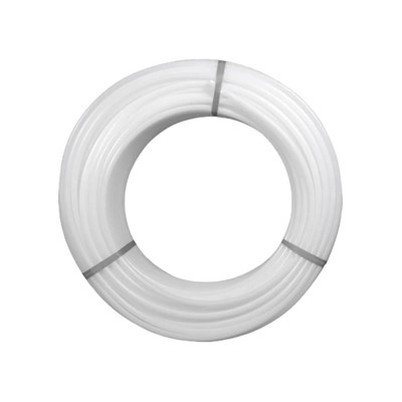
What is the electrical conductivity of a 3 inch pex pipe?
Leave a message

When it comes to plumbing and heating systems, PEX pipes have become a popular choice for many contractors and homeowners. As a supplier of 3-inch PEX pipes, I often receive questions about the electrical conductivity of these pipes. In this blog post, I will delve into the topic of the electrical conductivity of 3-inch PEX pipes, exploring the factors that influence it and its implications in various applications.
Understanding PEX Pipes
PEX, or cross-linked polyethylene, is a form of plastic tubing that has been used in plumbing systems since the 1960s. It is known for its flexibility, durability, and resistance to corrosion, making it an ideal material for a wide range of applications, including water supply lines, radiant floor heating systems, and hydronic heating systems.
The cross-linking process gives PEX pipes unique properties that set them apart from traditional polyethylene pipes. This process involves creating chemical bonds between the polymer chains, which increases the pipe's strength, temperature resistance, and resistance to environmental stress cracking.
Electrical Conductivity of PEX Pipes
In general, PEX pipes are considered to be electrically insulating materials. This means that they do not conduct electricity well and can be used in applications where electrical isolation is required. The electrical conductivity of a material is determined by its ability to allow the flow of electric charge. Materials with high electrical conductivity, such as metals, have a large number of free electrons that can move easily through the material. In contrast, insulating materials like PEX have very few free electrons, which makes it difficult for electric charge to flow through them.
The electrical conductivity of PEX pipes is typically very low, on the order of 10^-14 to 10^-16 S/m (siemens per meter). This is several orders of magnitude lower than the electrical conductivity of metals, which can range from 10^6 to 10^8 S/m. The low electrical conductivity of PEX pipes makes them suitable for use in electrical installations where they need to be in close proximity to electrical wiring or components without causing electrical interference or short circuits.
Factors Affecting Electrical Conductivity
While PEX pipes are generally considered to be electrically insulating, there are several factors that can affect their electrical conductivity. These factors include:
- Temperature: The electrical conductivity of PEX pipes can increase with temperature. As the temperature rises, the polymer chains in the PEX material become more mobile, which can allow for a greater flow of electric charge. However, this increase in conductivity is usually small and is not likely to cause any significant problems in most applications.
- Moisture: The presence of moisture can also affect the electrical conductivity of PEX pipes. Water is a good conductor of electricity, and if the PEX pipes are exposed to moisture or are installed in a wet environment, the moisture can act as a conductor and increase the electrical conductivity of the pipes. To prevent this, it is important to ensure that PEX pipes are installed in a dry environment and are properly sealed to prevent moisture from entering.
- Additives and Impurities: The electrical conductivity of PEX pipes can also be affected by the presence of additives and impurities in the material. Some additives, such as carbon black, can increase the electrical conductivity of PEX pipes by providing a pathway for the flow of electric charge. Impurities, such as metal particles or other conductive materials, can also increase the electrical conductivity of PEX pipes. It is important to use high-quality PEX pipes that are free from impurities and additives that could affect their electrical properties.
Implications in Different Applications
The low electrical conductivity of 3-inch PEX pipes makes them suitable for a wide range of applications, including:
- Plumbing Systems: In plumbing systems, PEX pipes are used to carry water and other fluids. The electrical insulation properties of PEX pipes ensure that they do not interfere with the electrical systems in the building, such as wiring and electrical appliances. This makes them a safe and reliable choice for plumbing installations.
- Radiant Floor Heating Systems: PEX Pipe for Floor Heating is a popular application for PEX pipes. In these systems, hot water is circulated through the PEX pipes to heat the floor. The electrical insulation properties of PEX pipes prevent any electrical interference with the heating system, ensuring that it operates safely and efficiently.
- Hydronic Heating Systems: Hydronic heating systems use water as a heat transfer medium to heat buildings. PEX pipes are commonly used in these systems due to their flexibility, durability, and resistance to corrosion. The low electrical conductivity of PEX pipes makes them suitable for use in hydronic heating systems, where they need to be in close proximity to electrical components without causing any electrical problems.
Other Related Products
In addition to 3-inch PEX pipes, we also offer a range of related products, including PE-Xa Pipe ISO15875 and Ppsu Elbow 90°. These products are designed to work together with our PEX pipes to provide a complete plumbing and heating solution.
PE-Xa Pipe ISO15875 is a high-quality PEX pipe that meets the international standard for cross-linked polyethylene pipes. It is known for its excellent mechanical properties, temperature resistance, and chemical resistance. Ppsu Elbow 90° is a fitting that is used to connect PEX pipes at a 90-degree angle. It is made from polyphenylsulfone (PPSU), a high-performance thermoplastic that is known for its strength, durability, and resistance to chemicals and high temperatures.


Contact for Procurement
If you are interested in purchasing 3-inch PEX pipes or any of our other products, please do not hesitate to contact us. We have a team of experienced professionals who can provide you with detailed information about our products, help you choose the right products for your application, and assist you with the procurement process. We are committed to providing our customers with high-quality products and excellent customer service. Whether you are a contractor, a builder, or a homeowner, we can meet your plumbing and heating needs.
References
- "Cross-linked Polyethylene (PEX) Tubing for Plumbing Applications." ASTM International.
- "PEX Pipe Handbook." Uponor.
- "Electrical Properties of Polymers." Polymer Science Learning Center.