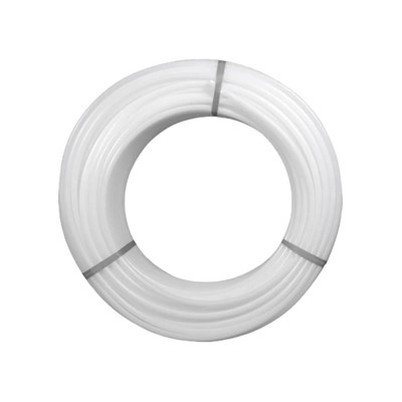
What is the maximum temperature water pex pipe can handle?
Leave a message

When it comes to plumbing systems, water PEX pipes have become a popular choice due to their flexibility, durability, and ease of installation. As a water PEX pipe supplier, I often get asked about the maximum temperature these pipes can handle. Understanding this crucial aspect is essential for ensuring the proper functioning and longevity of any plumbing or heating system that uses PEX pipes.
Understanding PEX Pipes
PEX, which stands for cross-linked polyethylene, is a type of plastic pipe that has been chemically altered to create a cross-linked molecular structure. This cross-linking process enhances the pipe's physical properties, making it more resistant to heat, pressure, and chemical degradation compared to regular polyethylene pipes. There are three main types of PEX pipes: PEX-a, PEX-b, and PEX-c, each with slightly different manufacturing processes and characteristics, but all sharing the common trait of being suitable for a wide range of plumbing applications.
Temperature Ratings of PEX Pipes
The maximum temperature that a water PEX pipe can handle depends on several factors, including the type of PEX, the pressure it is under, and the duration of exposure to high temperatures. Generally, PEX pipes are rated to handle temperatures between 180°F (82°C) and 200°F (93°C) for short periods. However, for continuous use, the recommended maximum temperature is typically around 160°F (71°C).
- PEX-a: This type of PEX pipe is known for its superior flexibility and high-temperature resistance. It can withstand temperatures up to 200°F (93°C) for short periods and is suitable for applications such as radiant floor heating systems and high-temperature domestic hot water distribution. The PE-Xa Pipe NSF is an example of a PEX-a pipe that meets strict industry standards for quality and performance.
- PEX-b: PEX-b pipes are also widely used in plumbing systems. They have a slightly lower temperature rating compared to PEX-a, with a maximum short-term temperature of around 180°F (82°C). However, they are still suitable for most residential and commercial plumbing applications, including hot and cold water supply lines.
- PEX-c: Similar to PEX-b, PEX-c pipes can handle temperatures up to 180°F (82°C) for short periods. They are often used in radiant heating systems and domestic water supply applications where the temperature requirements are within this range.
Factors Affecting Temperature Resistance
While the type of PEX pipe plays a significant role in determining its temperature resistance, other factors can also affect how well the pipe performs under high temperatures:


- Pressure: As the temperature of the water in the pipe increases, so does the pressure. PEX pipes are designed to handle a certain amount of pressure, and exceeding this limit can cause the pipe to fail. It is important to ensure that the pressure in the system is within the recommended range for the specific type of PEX pipe being used.
- Duration of Exposure: Continuous exposure to high temperatures can cause the PEX pipe to degrade over time. Even if the temperature is within the pipe's rated limit, prolonged exposure can still lead to a reduction in the pipe's lifespan. It is important to follow the manufacturer's recommendations regarding the maximum continuous temperature and duration of exposure.
- UV Exposure: PEX pipes are sensitive to ultraviolet (UV) radiation, which can cause the pipe to become brittle and crack over time. If the PEX pipe is installed outdoors or in an area exposed to sunlight, it is recommended to use a PEX Anti UV Pipe to protect it from UV damage.
Applications of PEX Pipes at High Temperatures
PEX pipes are commonly used in a variety of applications where high temperatures are involved:
- Radiant Floor Heating: PEX pipes are an ideal choice for radiant floor heating systems because they can withstand the high temperatures required to heat the floor. The PEX Pipe for Floor Heating is specifically designed to meet the demands of this application, providing efficient and reliable heat distribution throughout the room.
- Domestic Hot Water Supply: PEX pipes are also widely used for domestic hot water supply lines. They can handle the hot water temperatures typically found in residential and commercial buildings, providing a cost-effective and durable solution for delivering hot water to faucets, showers, and appliances.
- Solar Water Heating Systems: PEX pipes can be used in solar water heating systems to transfer the heated water from the solar collectors to the storage tank. Their high-temperature resistance and flexibility make them a suitable choice for this application, where the water can reach relatively high temperatures.
Ensuring Safe and Efficient Use of PEX Pipes at High Temperatures
To ensure the safe and efficient use of PEX pipes at high temperatures, it is important to follow these guidelines:
- Select the Right Type of PEX Pipe: Choose the type of PEX pipe that is suitable for the specific application and temperature requirements. Consider factors such as the maximum temperature, pressure, and duration of exposure when making your selection.
- Install the PEX Pipe Correctly: Follow the manufacturer's installation instructions carefully to ensure that the PEX pipe is installed correctly. This includes using the appropriate fittings, supports, and insulation to prevent heat loss and minimize the risk of leaks.
- Monitor the Temperature and Pressure: Regularly monitor the temperature and pressure in the plumbing system to ensure that they are within the recommended range. Use a thermometer and pressure gauge to check the readings and make any necessary adjustments.
- Inspect the PEX Pipe Regularly: Inspect the PEX pipe regularly for signs of damage, such as cracks, leaks, or discoloration. If any issues are detected, replace the damaged section of the pipe immediately to prevent further damage and ensure the safety of the system.
Conclusion
In conclusion, water PEX pipes are a versatile and reliable choice for a wide range of plumbing and heating applications. The maximum temperature that a PEX pipe can handle depends on several factors, including the type of PEX, the pressure, and the duration of exposure. By understanding these factors and following the recommended guidelines, you can ensure the safe and efficient use of PEX pipes at high temperatures.
If you are in the market for high-quality water PEX pipes, I encourage you to contact me to discuss your specific requirements. As a leading supplier of PEX pipes, I can provide you with the expertise and products you need to ensure the success of your plumbing or heating project. Let's work together to find the best solution for your needs.
References
- "PEX Pipe: A Comprehensive Guide." PlumbingSupply.com.
- "Cross-Linked Polyethylene (PEX) Tubing for Plumbing Applications." ASTM International.
- "Installation Guidelines for PEX Pipe Systems." Uponor.