What is the color coding of Pex tubing?
Leave a message

What is the color coding of Pex tubing?
As a supplier of Pex tubing, I often encounter questions from customers regarding the color coding of Pex tubing. Color coding plays a crucial role in the installation and identification of Pex tubing systems, and understanding its significance is essential for both professionals and DIY enthusiasts.
The Basics of Pex Tubing Color Coding
Pex tubing, known for its flexibility, durability, and resistance to corrosion, comes in various colors. These colors are not randomly assigned but are standardized to indicate different applications and characteristics of the tubing.
Red and Blue Pex Tubing
The most commonly recognized color - coded Pex tubing is red and blue. Red Pex tubing is typically used for hot water supply lines, while blue Pex tubing is designated for cold water supply lines. This simple color - coding system makes it easy for installers to distinguish between the two types of water lines during installation. For example, in a residential plumbing system, when connecting the water heater to the faucets, using red Pex tubing for the hot water side and blue for the cold water side ensures that the hot and cold water are properly routed.


White Pex Tubing
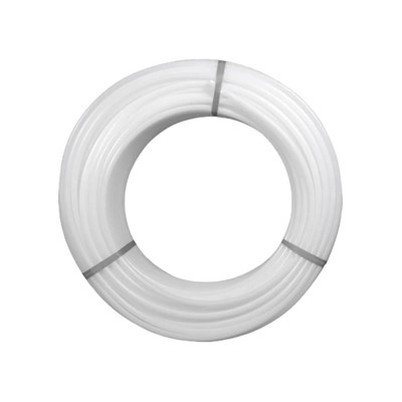
White Pex tubing is often used for both hot and cold water applications. It is a more neutral option and can be used in situations where the color - specific distinction between hot and cold is not necessary or when a uniform appearance is desired. For instance, in some commercial buildings, white Pex tubing may be used throughout the plumbing system to provide a clean and consistent look.
Orange Pex Tubing
Orange Pex tubing is commonly used for radiant floor heating systems. Radiant floor heating is an efficient way to heat a space by circulating warm water through tubing installed beneath the floor. The orange color helps installers easily identify the tubing used for this specialized application. If you are interested in PEX Pipe for Floor Heating, you can visit PEX Pipe for Floor Heating for more information.
Factors Influencing Color Coding
The color coding of Pex tubing is not only about convenience but also about safety and compliance.
Safety Considerations
Using the correct color - coded Pex tubing helps prevent mix - ups that could lead to safety hazards. For example, if hot water is accidentally routed through blue Pex tubing intended for cold water, it could cause the tubing to degrade over time, leading to leaks or even burst pipes. By following the color - coding standards, installers can ensure that the plumbing system operates safely.
Industry Standards
The color coding of Pex tubing is often regulated by industry standards. These standards ensure consistency across different manufacturers and regions. For example, in the United States, the Uniform Plumbing Code (UPC) and the International Plumbing Code (IPC) provide guidelines on the use of color - coded Pex tubing. Adhering to these standards is important for passing inspections and ensuring the long - term performance of the plumbing system.
Compatibility with Fittings and Connectors
Color - coded Pex tubing is designed to be compatible with a variety of fittings and connectors. However, it is important to ensure that the fittings are also suitable for the specific type of Pex tubing being used.
Different Types of Fittings
There are several types of fittings available for Pex tubing, including crimp fittings, push - to - connect fittings, and expansion fittings. Each type of fitting has its own installation requirements and compatibility considerations. For example, when using crimp fittings, it is crucial to use the correct size of crimp ring and the appropriate crimping tool.
Ppsu Elbow 90°
For certain plumbing configurations, 90 - degree elbows are often required. Ppsu Elbow 90° is a type of fitting that can be used with Pex tubing. These elbows are made of Ppsu (Polyphenylsulfone), which is a high - performance thermoplastic known for its strength and chemical resistance. When using Ppsu elbows with Pex tubing, it is important to ensure a proper seal to prevent leaks.
Quality and Performance of Color - Coded Pex Tubing
The quality of Pex tubing can vary depending on the manufacturer and the materials used. As a supplier, we take great care to source high - quality Pex tubing that meets or exceeds industry standards.
Material Composition
Pex tubing is typically made from cross - linked polyethylene. There are different types of cross - linking processes, such as PE - Xa, PE - Xb, and PE - Xc. PE - Xa Pipe ISO15875 is a type of Pex tubing that is produced using the peroxide cross - linking method. This method results in a tubing with excellent physical properties, including high temperature resistance and long - term durability.
Testing and Certification
Reputable Pex tubing manufacturers subject their products to rigorous testing to ensure quality and performance. Products may be tested for factors such as burst pressure, temperature resistance, and chemical compatibility. Look for Pex tubing that is certified by recognized organizations, such as NSF International, to ensure that it meets the necessary standards.
Installation Tips for Color - Coded Pex Tubing
Proper installation is key to the performance and longevity of Pex tubing systems.
Planning the Installation
Before starting the installation, it is important to plan the layout of the tubing carefully. Consider factors such as the location of fixtures, the distance between the water source and the fixtures, and the routing of the tubing. Use a diagram or a sketch to map out the installation process.
Cutting and Connecting the Tubing
When cutting Pex tubing, use a sharp Pex tubing cutter to ensure a clean, square cut. Avoid using scissors or other tools that may cause the tubing to deform. When connecting the tubing to fittings, follow the manufacturer's instructions carefully. For example, when using crimp fittings, make sure to crimp the ring tightly to create a secure connection.
Conclusion
The color coding of Pex tubing is a simple yet effective system that helps in the installation, identification, and maintenance of plumbing systems. By understanding the meaning behind each color and following the industry standards, installers can ensure a safe and efficient plumbing system. Whether you are working on a residential or commercial project, choosing the right color - coded Pex tubing and using it correctly is essential.
If you are in the market for high - quality Pex tubing and related products, we are here to help. Our team of experts can provide you with the guidance and support you need to make the right choices for your project. Contact us to start a procurement discussion and find the best solutions for your plumbing needs.
References
- Uniform Plumbing Code (UPC)
- International Plumbing Code (IPC)
- NSF International Standards for Pex Tubing