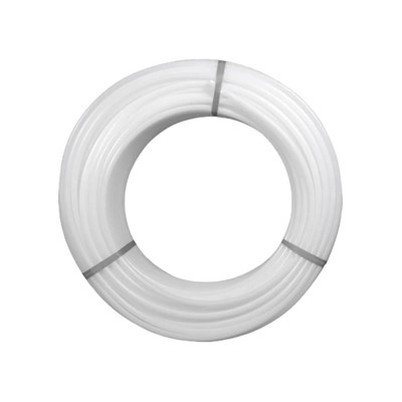
How to reduce the noise of PEX EVOH Pipe?
Leave a message

Hey there! As a PEX EVOH pipe supplier, I've been getting a lot of questions lately about how to reduce the noise of PEX EVOH pipes. It's a common concern, especially in residential and commercial buildings where a quiet environment is crucial. So, I thought I'd share some tips and tricks that I've learned over the years to help you tackle this issue.


First off, let's understand why PEX EVOH pipes can be noisy in the first place. PEX EVOH pipes are made of cross-linked polyethylene (PEX) with an ethylene vinyl alcohol (EVOH) barrier layer. They're known for their flexibility, durability, and resistance to corrosion. However, they can sometimes produce noise due to a few reasons.
One of the main causes of noise in PEX EVOH pipes is water hammer. Water hammer occurs when the flow of water in the pipes is suddenly stopped or changed direction. This creates a shockwave that travels through the pipes, causing them to vibrate and make a banging or rattling sound. Another cause of noise is the expansion and contraction of the pipes due to temperature changes. As the pipes heat up and cool down, they can rub against the surrounding materials, such as walls or floors, creating a scratching or scraping sound.
Now that we know the causes of noise in PEX EVOH pipes, let's look at some ways to reduce it.
1. Use Proper Pipe Support
One of the simplest and most effective ways to reduce noise in PEX EVOH pipes is to use proper pipe support. When the pipes are not properly supported, they can vibrate and move around, which can lead to noise. Make sure to use pipe hangers or straps at regular intervals to keep the pipes in place. The hangers or straps should be made of a soft material, such as rubber or neoprene, to absorb the vibrations and prevent them from transferring to the surrounding materials.
2. Install Water Hammer Arrestors
Water hammer arrestors are devices that are designed to absorb the shockwaves created by water hammer. They work by providing a cushion of air or a spring-loaded piston that absorbs the energy of the shockwave. Installing water hammer arrestors at strategic locations in your plumbing system, such as near the shut-off valves or at the end of long runs of pipe, can significantly reduce the noise caused by water hammer.
3. Insulate the Pipes
Insulating the PEX EVOH pipes can also help to reduce noise. Insulation acts as a barrier between the pipes and the surrounding materials, preventing the vibrations from transferring to the walls, floors, or ceilings. You can use foam insulation sleeves or wraps to insulate the pipes. Make sure to choose an insulation material that is specifically designed for use with PEX EVOH pipes and that has a high R-value to provide maximum insulation.
4. Use Quiet-Flow Fittings
Another way to reduce noise in PEX EVOH pipes is to use quiet-flow fittings. Quiet-flow fittings are designed to reduce the turbulence and friction of the water flowing through the pipes, which can help to reduce the noise. Look for fittings that have a smooth interior surface and that are designed to minimize the flow resistance.
5. Choose the Right Pipe Size
Choosing the right pipe size is also important for reducing noise in PEX EVOH pipes. If the pipes are too small, the water flow will be restricted, which can cause the water to flow at a higher velocity and create more noise. On the other hand, if the pipes are too large, the water flow will be slower, which can also lead to noise. Make sure to choose the pipe size that is appropriate for the flow rate and pressure of your plumbing system.
6. Avoid Sharp Bends and Turns
Sharp bends and turns in the pipes can cause the water to flow in a turbulent manner, which can create noise. Try to avoid sharp bends and turns in your plumbing system and use gentle curves instead. If you need to make a bend or turn in the pipes, use elbow fittings that have a large radius to minimize the turbulence.
7. Check for Leaks
Leaks in the pipes can also cause noise. If you hear a hissing or dripping sound coming from your pipes, it could be a sign of a leak. Make sure to check for leaks regularly and repair them as soon as possible. A small leak can quickly turn into a big problem if left untreated, and it can also cause damage to your plumbing system and your property.
8. Use a Pressure Regulator
Using a pressure regulator can help to reduce the noise in PEX EVOH pipes by controlling the water pressure. If the water pressure in your plumbing system is too high, it can cause the water to flow at a high velocity, which can create noise. A pressure regulator can help to reduce the water pressure to a safe and comfortable level, which can help to reduce the noise.
9. Consider Using a Different Pipe Material
If you've tried all of the above methods and you're still having problems with noise in your PEX EVOH pipes, you may want to consider using a different pipe material. There are several other types of pipes available on the market, such as copper, PVC, and CPVC, that are known for their quiet operation. However, keep in mind that each type of pipe has its own advantages and disadvantages, so make sure to do your research and choose the pipe material that is best suited for your needs.
Conclusion
Reducing the noise of PEX EVOH pipes is not rocket science. By following the tips and tricks outlined in this blog post, you can significantly reduce the noise in your plumbing system and create a quieter and more comfortable environment in your home or business. Remember to use proper pipe support, install water hammer arrestors, insulate the pipes, use quiet-flow fittings, choose the right pipe size, avoid sharp bends and turns, check for leaks, use a pressure regulator, and consider using a different pipe material if necessary.
If you have any questions or need further assistance with reducing the noise of PEX EVOH pipes, please don't hesitate to contact me. I'm always happy to help. And if you're interested in purchasing high-quality PE-Xa/EVOH Pipe, I'd love to talk to you about our products and how they can meet your needs. Let's have a chat and see if we can find the perfect solution for your plumbing project.
References
- "Plumbing Engineering Design Handbook" by the American Society of Plumbing Engineers
- "Residential Plumbing Systems" by the National Association of Home Builders
- "PEX Pipe Installation Guide" by the Plastic Pipe and Fittings Association