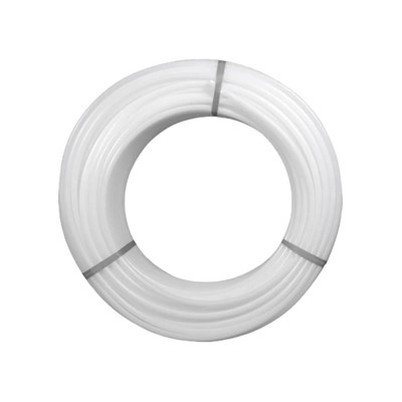
What is the chemical resistance of pex 32mm pipes?
Leave a message

As a supplier of PEX 32mm pipes, I often get asked about the chemical resistance of these pipes. Chemical resistance is a crucial factor when considering the use of PEX pipes in various applications, as it determines the pipe's ability to withstand exposure to different chemicals without significant degradation. In this blog post, I will delve into the chemical resistance of PEX 32mm pipes, exploring the factors that influence it and the implications for different usage scenarios.
Understanding PEX Pipes
PEX, or cross-linked polyethylene, is a type of plastic pipe that has gained popularity in recent years due to its flexibility, durability, and ease of installation. PEX pipes are made by cross-linking polyethylene molecules, which creates a three-dimensional network structure that enhances the pipe's mechanical and chemical properties. There are different types of PEX pipes, including PE-Xa, PE-Xb, and PE-Xc, each with its own manufacturing process and characteristics.
Chemical Resistance of PEX 32mm Pipes
The chemical resistance of PEX 32mm pipes depends on several factors, including the type of PEX material, the chemical composition of the fluid being transported, the temperature and pressure conditions, and the duration of exposure. In general, PEX pipes have good resistance to a wide range of chemicals, including water, most acids, alkalis, and many common household and industrial chemicals.
Resistance to Water
PEX pipes are highly resistant to water, making them an ideal choice for plumbing applications. They do not corrode or rust, and they are not affected by the minerals and chemicals commonly found in water. This resistance to water ensures a long service life and reliable performance in water supply systems.
Resistance to Acids and Alkalis
PEX pipes have good resistance to many acids and alkalis, within certain concentration and temperature limits. For example, they can withstand exposure to weak acids such as acetic acid (found in vinegar) and weak alkalis such as sodium hydroxide (found in some cleaning products). However, they may be damaged by strong acids or alkalis, especially at high concentrations and elevated temperatures.
Resistance to Organic Solvents
The resistance of PEX pipes to organic solvents varies depending on the type of solvent and the exposure conditions. Some organic solvents, such as ethanol and methanol, have relatively low solubility in PEX and may cause only minor swelling or softening of the pipe material. However, other solvents, such as benzene, toluene, and chloroform, can dissolve or severely damage PEX pipes.
Resistance to Chlorine and Chloramines
Chlorine and chloramines are commonly used as disinfectants in water treatment plants to kill bacteria and other microorganisms. PEX pipes have good resistance to low levels of chlorine and chloramines, but prolonged exposure to high concentrations can cause degradation of the pipe material. This degradation can lead to a reduction in the pipe's mechanical properties and an increase in the risk of leaks.
Factors Affecting Chemical Resistance
Several factors can affect the chemical resistance of PEX 32mm pipes, including:
Type of PEX Material
As mentioned earlier, there are different types of PEX pipes, each with its own chemical resistance characteristics. PE-Xa pipes, for example, are generally considered to have better chemical resistance than PE-Xb and PE-Xc pipes due to their more uniform cross-linking structure.
Chemical Composition of the Fluid
The chemical composition of the fluid being transported through the PEX pipe plays a significant role in determining its chemical resistance. Fluids that contain high concentrations of aggressive chemicals, such as strong acids, alkalis, or organic solvents, are more likely to cause damage to the pipe material.
Temperature and Pressure
Higher temperatures and pressures can accelerate the chemical reactions between the PEX pipe material and the fluid being transported, increasing the risk of degradation. It is important to ensure that the PEX pipes are used within the recommended temperature and pressure limits specified by the manufacturer.
Duration of Exposure
The longer the PEX pipe is exposed to a particular chemical, the greater the likelihood of damage. Continuous exposure to chemicals over an extended period of time can cause cumulative damage to the pipe material, leading to a reduction in its mechanical properties and an increased risk of failure.
Implications for Different Applications
The chemical resistance of PEX 32mm pipes has important implications for their use in different applications. Here are some examples:
Plumbing Systems
In residential and commercial plumbing systems, PEX pipes are commonly used for water supply and distribution. Their good resistance to water and many common household chemicals makes them a reliable choice for these applications. However, it is important to avoid using PEX pipes in systems that transport aggressive chemicals or in areas where the water contains high levels of chlorine or chloramines.
Floor Heating Systems
PEX pipes are also widely used in floor heating systems, where they are buried in the floor to circulate hot water and provide radiant heat. In these applications, the PEX pipes are typically exposed to water at relatively low temperatures and pressures. Their good resistance to water and their flexibility make them an ideal choice for floor heating systems. You can learn more about PEX Pipe for Floor Heating.
Industrial Applications
In industrial applications, PEX pipes may be used to transport a variety of chemicals and fluids. However, it is important to carefully evaluate the chemical resistance of the PEX pipes to ensure that they are suitable for the specific application. In some cases, it may be necessary to use additional protective measures, such as coatings or linings, to enhance the chemical resistance of the pipes.
Testing and Certification
To ensure the chemical resistance of PEX 32mm pipes, manufacturers typically conduct extensive testing to evaluate the performance of their products under different conditions. These tests may include immersion tests, where the pipes are exposed to various chemicals for a specified period of time, and pressure tests, where the pipes are subjected to different pressures and temperatures to simulate real-world conditions.
In addition to testing, PEX pipes may also be certified by independent organizations to meet certain standards and requirements. For example, PE-Xa Pipe NSF is certified to meet the NSF/ANSI 61 standard for drinking water systems, which ensures that the pipes are safe for use in potable water applications. Similarly, PE-Xa Pipe ISO15875 is certified to meet the ISO 15875 standard for plastic pipes and fittings for hot and cold water installations.
Conclusion
In conclusion, the chemical resistance of PEX 32mm pipes is an important factor to consider when choosing pipes for different applications. PEX pipes have good resistance to a wide range of chemicals, including water, most acids, alkalis, and many common household and industrial chemicals. However, their chemical resistance can be affected by several factors, including the type of PEX material, the chemical composition of the fluid being transported, the temperature and pressure conditions, and the duration of exposure.
As a supplier of PEX 32mm pipes, I am committed to providing high-quality products that meet the needs of our customers. We offer a wide range of PEX pipes with different chemical resistance characteristics to suit various applications. If you are interested in purchasing PEX 32mm pipes or have any questions about their chemical resistance, please feel free to contact us to discuss your specific requirements and start a procurement negotiation.


References
- ASTM International. (2021). Standard Specification for Crosslinked Polyethylene (PEX) Tubing. ASTM F876-21.
- NSF International. (2021). NSF/ANSI 61: Drinking Water System Components – Health Effects.
- ISO. (2019). ISO 15875: Plastic Pipes and Fittings for Hot and Cold Water Installations – Crosslinked Polyethylene (PE-X).