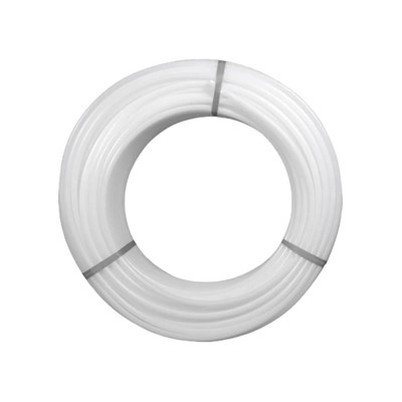
What are the quality standards for PERT Tube in medical applications?
Leave a message

In the realm of medical applications, the demand for high - quality tubing solutions is ever - present. As a dedicated PERT Tube supplier, I am well - aware of the critical role that PERT (Polyethylene Raised Temperature) tubes play in various medical scenarios. This blog aims to delve into the quality standards for PERT Tube in medical applications, which are of utmost importance to ensure patient safety and the effectiveness of medical procedures.
Material Purity and Biocompatibility
One of the primary quality standards for PERT tubes in medical applications is material purity. The tube must be made from high - grade polyethylene that is free from contaminants. Any impurities in the material can potentially leach into the fluids or medications flowing through the tube, leading to adverse reactions in patients. Medical - grade PERT tubes are typically manufactured using a strict purification process to eliminate harmful substances such as heavy metals, plasticizers, and other toxins.
Biocompatibility is another non - negotiable aspect. The tube should not cause any allergic reactions, inflammation, or other biological responses when it comes into contact with the human body. This is especially crucial for applications where the tube may be in direct contact with bodily fluids, tissues, or organs. To ensure biocompatibility, PERT tubes are often tested according to international standards such as ISO 10993, which assesses the biological safety of medical devices. These tests evaluate parameters like cytotoxicity, sensitization, irritation, and acute systemic toxicity.
Chemical Resistance
In medical settings, PERT tubes may come into contact with a wide range of chemicals, including disinfectants, medications, and bodily fluids. Therefore, they must exhibit excellent chemical resistance. A high - quality PERT tube should not degrade, swell, or lose its mechanical properties when exposed to these substances. For example, it should be able to withstand the regular cleaning and disinfection processes that are common in hospitals without showing signs of wear and tear.
The chemical resistance of PERT tubes is often determined through extensive laboratory testing. Suppliers like us subject the tubes to different chemical environments for extended periods to assess their performance. This helps in selecting the appropriate PERT material formulation that can meet the specific chemical exposure requirements of different medical applications. You can learn more about PERT Tube and its chemical resistance properties on our website.
Mechanical Properties
The mechanical properties of PERT tubes are also vital in medical applications. These tubes need to have sufficient flexibility to be easily maneuvered during medical procedures. At the same time, they must maintain their shape and integrity under pressure. A tube that is too rigid may be difficult to insert or position correctly, while a tube that is too flexible may collapse or kink, obstructing the flow of fluids.
Tensile strength is an important mechanical property. The tube should be able to withstand the pulling and stretching forces that may occur during handling and use without breaking. Additionally, it should have good burst pressure resistance to prevent leaks and ensure the safe delivery of fluids. For example, in intravenous (IV) applications, the PERT tube must be able to handle the pressure exerted by the flow of fluids from the IV bag to the patient's vein.
Sterility
Sterility is a critical quality standard for PERT tubes used in medical applications. Any contamination in the tube can lead to serious infections in patients. Medical - grade PERT tubes are typically sterilized using methods such as gamma irradiation, ethylene oxide sterilization, or steam sterilization. Each sterilization method has its own advantages and limitations, and the choice of method depends on the specific requirements of the tube and the medical application.
After sterilization, the tubes must be properly packaged to maintain their sterility until they are ready for use. The packaging should be designed to prevent the entry of microorganisms and protect the tube from physical damage. Regular quality control checks are carried out to ensure that the sterility of the tubes is maintained throughout the storage and transportation processes.
Dimensional Accuracy
Precise dimensional accuracy is essential for PERT tubes in medical applications. The inner diameter of the tube determines the flow rate of fluids, and even a slight deviation can have a significant impact on the functionality of the medical device. For example, in fluid delivery systems, an incorrect inner diameter may result in an under - or over - delivery of medications or other fluids to the patient.
The outer diameter of the tube also matters, especially when it comes to fitting the tube into connectors or other components of the medical device. A tube with an inconsistent outer diameter may not form a proper seal, leading to leaks. High - quality PERT tubes are manufactured using advanced extrusion processes that can ensure tight dimensional tolerances.
Quality Control and Certification
As a PERT Tube supplier, we implement a rigorous quality control system throughout the manufacturing process. This includes raw material inspection, in - process monitoring, and final product testing. Each batch of tubes is tested to ensure that it meets the established quality standards.
In addition to our internal quality control, we also seek external certifications to validate the quality of our PERT tubes. Certifications such as ISO 13485, which is specific to the medical device industry, demonstrate our commitment to producing high - quality products that meet international standards. Having these certifications gives our customers confidence in the safety and reliability of our PERT tubes.
Applications in Different Medical Fields
PERT tubes find applications in various medical fields, each with its own specific quality requirements. In the field of cardiology, for example, PERT tubes are used in catheterization procedures. These tubes need to be extremely flexible and have excellent torque control to navigate through the blood vessels. They also need to be highly biocompatible to minimize the risk of blood clotting and other complications.
In the field of anesthesia, PERT tubes are used to deliver anesthetic gases and fluids. The tubes must be able to maintain a stable flow rate and be resistant to the chemicals used in anesthesia. They also need to be easy to clean and sterilize to prevent cross - contamination between patients.
In the field of dialysis, PERT tubes are used to transport blood and dialysis fluids. These tubes need to have high chemical resistance to withstand the harsh chemicals used in the dialysis process. They also need to be able to handle high flow rates and maintain a high level of sterility.
Conclusion
In conclusion, the quality standards for PERT Tube in medical applications are comprehensive and stringent. Material purity, biocompatibility, chemical resistance, mechanical properties, sterility, and dimensional accuracy are all key factors that determine the suitability of PERT tubes for medical use. As a PERT Tube supplier, we are committed to meeting these high - quality standards to ensure the safety and well - being of patients.


If you are in the medical industry and are looking for high - quality PERT tubes for your applications, we invite you to contact us for a detailed discussion. We can provide you with samples, technical specifications, and pricing information. Our team of experts is always ready to assist you in finding the most suitable PERT tube solutions for your specific needs. Let's work together to improve the quality of medical care with our reliable PERT tubes.
References
- ISO 10993 - Biological evaluation of medical devices
- ISO 13485 - Medical devices -- Quality management systems -- Requirements for regulatory purposes