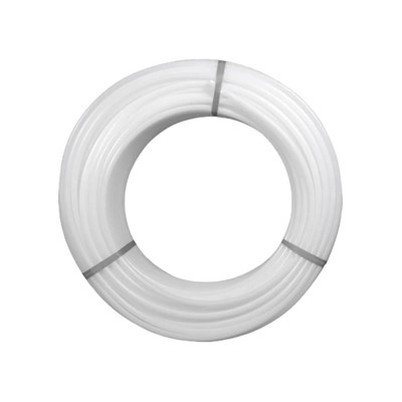
How to insulate 3/4 pex piping in a cold climate?
Leave a message

Hey there, folks! If you're living in a cold climate and you've got 3/4 PEX piping in your place, you know how crucial it is to insulate that piping properly. I'm a supplier of 3/4 PEX piping, and I've seen firsthand the difference good insulation can make. So, let's dive into how you can insulate your 3/4 PEX piping in a cold climate.
Why Insulate 3/4 PEX Piping?
First off, why bother with insulation? Well, in cold climates, the temperature can drop significantly, and that can cause your pipes to freeze. When water freezes in your pipes, it expands, which can lead to burst pipes. And trust me, dealing with burst pipes is a huge headache - water damage, costly repairs, and all that. Insulating your 3/4 PEX piping helps to keep the water inside at a stable temperature, preventing freezing and all the problems that come with it.
Another reason is energy efficiency. Insulated pipes reduce heat loss, which means your water heater doesn't have to work as hard to keep the water hot. This can save you money on your energy bills in the long run.
Types of Insulation Materials
There are several types of insulation materials you can use for your 3/4 PEX piping. Let's take a look at some of the popular ones.
Foam Pipe Insulation
Foam pipe insulation is one of the most common choices. It's easy to install and relatively inexpensive. You can find it in various thicknesses, and it comes in pre - slit tubes that you can simply wrap around your pipes. There are different types of foam insulation, like polyethylene and neoprene. Polyethylene foam is lightweight and resistant to moisture, while neoprene foam offers better flexibility and can withstand higher temperatures.
Fiberglass Insulation
Fiberglass insulation is another option. It's made of fine glass fibers and is known for its excellent thermal performance. However, it can be a bit tricky to install as it requires proper handling to avoid getting the fibers on your skin or inhaling them. You'll need to wear protective gear like gloves, goggles, and a mask when working with fiberglass insulation.
Reflective Insulation
Reflective insulation consists of a layer of foil that reflects heat back towards the pipe. It's a good choice if you're looking for an insulation material that can also reduce radiant heat transfer. Reflective insulation is often used in combination with other types of insulation for maximum effectiveness.
Preparing for Installation
Before you start insulating your 3/4 PEX piping, there are a few things you need to do.
Clean the Pipes
Make sure the pipes are clean and free of any dirt, dust, or debris. You can use a damp cloth to wipe down the pipes. This ensures that the insulation will adhere properly to the pipes.
Measure the Pipes
Measure the length of the pipes you need to insulate. This will help you determine how much insulation material you need to buy. It's always a good idea to buy a little extra in case you make a mistake during installation.

Identify Problem Areas
Look for areas where the pipes are more exposed to the cold, such as near exterior walls, in unheated basements, or in crawl spaces. These areas will require extra insulation to provide adequate protection.
Installation Process
Now, let's get into the actual installation process.
Foam Pipe Insulation Installation
If you're using foam pipe insulation, start by cutting the insulation tube to the appropriate length using a utility knife. Then, simply open the pre - slit tube and wrap it around the 3/4 PEX pipe. Make sure the seams are tightly closed to prevent heat loss. You can use duct tape to secure the seams if needed.
Fiberglass Insulation Installation
For fiberglass insulation, you'll need to cut the insulation to the right size. Wrap the fiberglass insulation around the pipe, overlapping the edges slightly. Use wire or tape to hold the insulation in place. Be careful not to compress the insulation too much, as this can reduce its effectiveness.
Reflective Insulation Installation
When installing reflective insulation, first attach the insulation to the pipe using adhesive or staples. Make sure the foil side is facing outwards. You can also use reflective insulation to create a barrier around the pipes by installing it on the walls or ceilings near the pipes.
Additional Tips
Here are some additional tips to help you insulate your 3/4 PEX piping effectively.
Seal Any Gaps
Check for any gaps or holes in the insulation and seal them with caulk or foam sealant. This will prevent cold air from getting in and warm air from escaping.
Protect the Insulation
If the insulation is in an area where it might get damaged, such as in a crawl space or a basement, consider covering it with a protective layer. You can use a plastic or metal shield to protect the insulation from physical damage.
Insulate Valves and Fittings
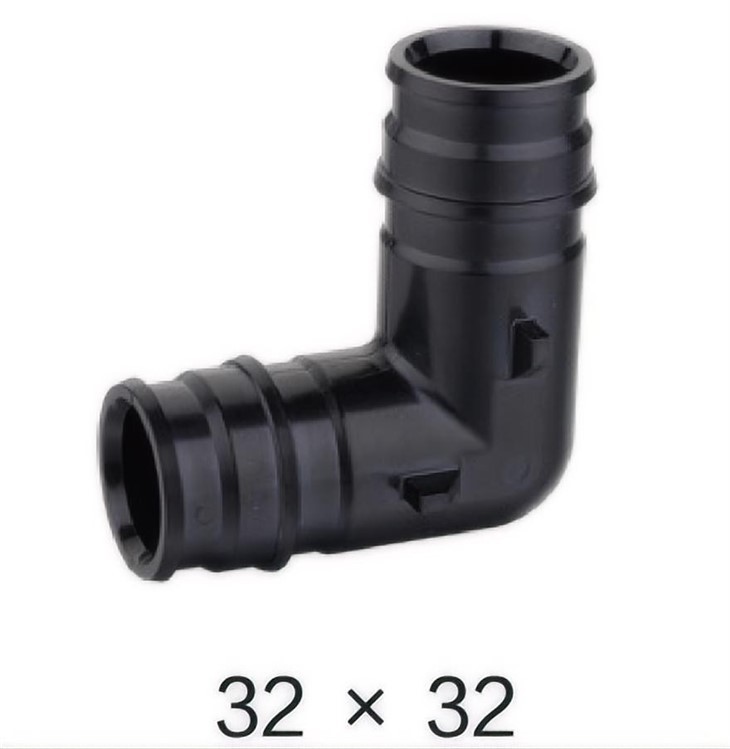
Don't forget to insulate valves, elbows, and other fittings. These areas are often overlooked but can be a major source of heat loss. You can use special insulation sleeves or cut pieces of insulation to fit around the valves and fittings. For example, if you have 90° elbows in your piping system, you might want to check out Ppsu Elbow 90° which are great for PEX piping systems and can also be properly insulated.
Maintenance
Once you've insulated your 3/4 PEX piping, it's important to maintain the insulation. Check the insulation regularly for any signs of damage, such as tears or gaps. If you find any damage, repair it immediately to ensure the insulation continues to work effectively.
Conclusion
Insulating your 3/4 PEX piping in a cold climate is a smart investment. It can prevent frozen pipes, save you money on energy bills, and protect your home from water damage. By choosing the right insulation material, preparing properly, and following the installation process correctly, you can ensure that your pipes are well - protected.
If you're in the market for high - quality 3/4 PEX piping, we've got you covered. We offer a wide range of products, including PEX Pipe for Water Supply and PE - Xa Pipe ISO15875. If you have any questions or want to start a procurement discussion, feel free to reach out. We're here to help you find the best solutions for your piping needs.
References
- "Residential Piping Systems Handbook"
- "Energy Efficiency Guide for Homeowners in Cold Climates"