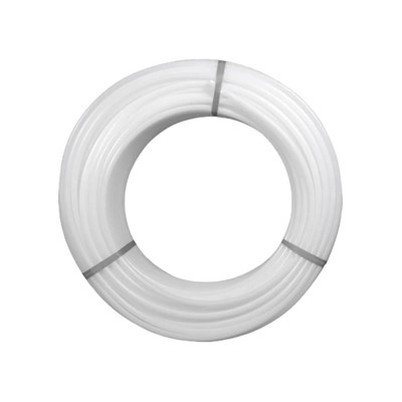
What are the limitations of using 3/4 pex piping in a steam system?
Leave a message

Hey there! I'm a supplier of 3/4 PEX piping, and I've been in this business for quite a while. PEX piping has gained a lot of popularity in various plumbing systems because of its flexibility, durability, and ease of installation. But when it comes to using 3/4 PEX piping in a steam system, well, there are some limitations that we need to talk about.
Temperature Resistance
One of the major issues with using 3/4 PEX piping in a steam system is its temperature resistance. Steam systems typically operate at high temperatures. The steam can reach temperatures well above what most PEX pipes are designed to handle. You see, PEX pipes are usually rated for a maximum continuous operating temperature. For example, some common PEX pipes have a maximum continuous temperature rating of around 180°F (82°C). However, steam systems can easily exceed this temperature, especially in high - pressure applications.
When PEX piping is exposed to temperatures beyond its rating, it starts to degrade. The material can become soft and lose its structural integrity. This can lead to pipe sagging, which might cause blockages in the steam flow. In the worst - case scenario, the pipe could burst, causing a significant safety hazard and potentially leading to costly repairs.
Pressure Tolerance
Steam systems also operate under high pressure. PEX pipes, although they are known for being quite tough, have their limits when it comes to pressure. The pressure in a steam system can vary depending on the design and the application, but it can often be much higher than what a 3/4 PEX pipe can handle.
PEX pipes are typically rated for a certain maximum pressure, and if the pressure in the steam system exceeds this rating, it can cause stress on the pipe walls. Over time, this stress can lead to cracks and leaks. These leaks not only waste steam but can also cause water damage to the surrounding area. And let's not forget about the safety aspect. A high - pressure steam leak can be extremely dangerous, as steam at high pressure can cause severe burns.
Chemical Compatibility
Steam systems may contain various chemicals and additives. These can include water treatment chemicals, rust inhibitors, and other substances that are used to maintain the efficiency and longevity of the system. Unfortunately, PEX pipes may not be fully compatible with all of these chemicals.
Some chemicals can react with the PEX material, causing it to break down or become brittle. This can shorten the lifespan of the pipe and increase the risk of failure. For example, certain types of oxidizing agents can attack the PEX polymer chains, weakening the pipe structure. So, before using 3/4 PEX piping in a steam system, it's crucial to know exactly what chemicals are present in the system and whether the PEX pipe is compatible with them.
Expansion and Contraction
Steam systems experience significant temperature fluctuations during operation. When the steam is flowing, the pipes heat up and expand, and when the system shuts down, the pipes cool down and contract. PEX pipes have a relatively high coefficient of thermal expansion compared to some other materials used in steam systems, like copper or steel.
This high expansion and contraction rate can cause problems. If the PEX pipes are not properly installed with enough room for expansion, they can put stress on the fittings. Over time, this stress can cause the fittings to loosen, leading to leaks. Additionally, the repeated expansion and contraction can cause fatigue in the pipe material itself, potentially leading to cracks.
Fitting Limitations
When using 3/4 PEX piping in a steam system, the fittings can also be a problem. Not all PEX fittings are suitable for steam applications. The high temperature and pressure in steam systems require fittings that can withstand these conditions.
Some common PEX fittings may not be able to handle the heat and pressure, which can lead to fitting failures. For example, plastic fittings may melt or deform under the high - temperature steam. Even if the fitting is made of a more heat - resistant material, it still needs to be properly rated for steam applications. We offer some reliable fittings like PPSU Tee and Ppsu Elbow 90°, which are designed to handle higher temperatures and pressures, but still, it's important to be cautious.


Lack of Industry Standards
Another limitation is the lack of well - established industry standards for using PEX piping in steam systems. Most of the existing standards for PEX piping are focused on hot and cold water applications. Since steam systems have different requirements in terms of temperature, pressure, and chemical exposure, it can be difficult to determine if a 3/4 PEX pipe is really suitable for a particular steam system.
This lack of standards also makes it hard for installers and system designers to make informed decisions. Without clear guidelines, there is a higher risk of improper installation and system failure.
Long - Term Durability
PEX pipes are generally known for their long - term durability in other applications. However, in a steam system, the harsh conditions can take a toll on the pipe's lifespan. The combination of high temperature, pressure, chemical exposure, and repeated expansion and contraction can significantly reduce the expected lifespan of a 3/4 PEX pipe.
In a normal hot or cold water system, a PEX pipe can last for several decades. But in a steam system, it might need to be replaced much more frequently. This means higher maintenance costs and more disruption to the system.
Alternatives to Consider
Given these limitations, you might be wondering what alternatives there are for steam systems. Traditional materials like copper and steel are often better choices for steam applications. Copper has excellent heat transfer properties and can withstand high temperatures and pressures. Steel is also very strong and durable, and it can handle the harsh conditions in a steam system.
However, if you still want to use PEX piping, make sure to choose a high - quality product like our PE - Xa Pipe NSF. It has better temperature and pressure ratings compared to some other PEX pipes, but it's still important to carefully evaluate its suitability for your specific steam system.
Conclusion
So, as you can see, while 3/4 PEX piping has many advantages in other plumbing applications, it has some significant limitations when it comes to steam systems. The temperature resistance, pressure tolerance, chemical compatibility, expansion and contraction, fitting limitations, lack of industry standards, and long - term durability are all factors that need to be considered.
If you're thinking about using 3/4 PEX piping in a steam system, it's crucial to do a thorough assessment of your system's requirements. You may want to consult with a professional who has experience with steam systems. And if you have any questions about our PEX products, don't hesitate to reach out. We're here to help you make the best decision for your project. Whether you're a contractor, a builder, or a DIY enthusiast, we can provide you with the information you need to ensure a safe and efficient plumbing system. So, if you're interested in learning more about our products or have any inquiries regarding PEX piping for your project, feel free to contact us for a procurement discussion.
References
- "Steam System Design and Operation" by ASHRAE
- "PEX Pipe Handbook" by a leading PEX manufacturer