How to test the integrity of a 3 inch pex pipe?
Leave a message

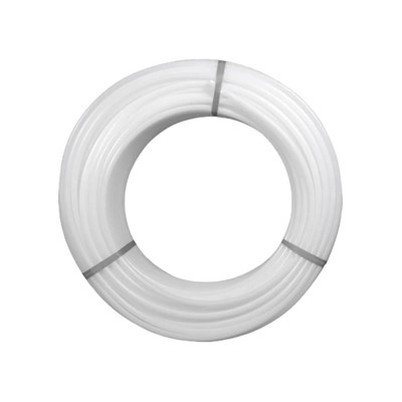
As a supplier of 3-inch PEX pipes, ensuring the integrity of our products is of utmost importance. PEX, or cross-linked polyethylene, pipes are widely used in various plumbing and heating systems due to their flexibility, durability, and resistance to corrosion. Testing the integrity of a 3-inch PEX pipe is a crucial step in guaranteeing its performance and reliability in the long run. In this blog post, I will share some effective methods to test the integrity of a 3-inch PEX pipe.
Visual Inspection
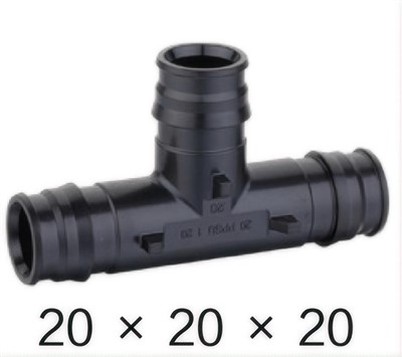
The first step in testing the integrity of a 3-inch PEX pipe is a thorough visual inspection. Start by examining the pipe's surface for any visible signs of damage, such as cracks, cuts, or scratches. These imperfections can weaken the pipe and lead to leaks over time. Pay close attention to the areas where the pipe is connected to fittings or other components, as these are common points of stress.
In addition to surface damage, check for any discoloration or abnormal markings on the pipe. Discoloration can indicate exposure to high temperatures, chemicals, or other environmental factors that may have compromised the pipe's integrity. If you notice any such signs, it is advisable to replace the pipe to prevent potential problems.
Pressure Testing
Pressure testing is one of the most reliable methods to test the integrity of a 3-inch PEX pipe. This test involves pressurizing the pipe with water or air to a specified level and monitoring for any pressure drops over a period of time. A pressure drop indicates a leak in the pipe or its connections.
To perform a pressure test, you will need a pressure testing pump, a pressure gauge, and a shut-off valve. First, seal all the openings of the pipe system, including the ends and any branches. Connect the pressure testing pump to the pipe and gradually increase the pressure to the recommended level. The recommended pressure for PEX pipes typically ranges from 80 to 100 psi (pounds per square inch), but it is important to refer to the manufacturer's specifications for the exact pressure requirements.
Once the desired pressure is reached, close the shut-off valve and observe the pressure gauge for at least 15 to 30 minutes. If the pressure remains stable within this time frame, it indicates that the pipe is intact. However, if the pressure drops significantly, it is a clear sign of a leak. In such cases, carefully inspect the pipe and its connections to locate the source of the leak and make the necessary repairs.
Hydrostatic Testing
Hydrostatic testing is a more comprehensive form of pressure testing that involves filling the pipe with water and subjecting it to a higher pressure for an extended period. This test is particularly useful for detecting small leaks that may not be apparent during a regular pressure test.
To perform a hydrostatic test, follow the same steps as for a pressure test, but instead of using air, fill the pipe with water. Make sure to remove all the air from the system by opening the highest points of the pipe and allowing the water to flow until it runs clear. Once the pipe is filled with water, gradually increase the pressure to the recommended hydrostatic test pressure, which is typically higher than the normal operating pressure.
The hydrostatic test pressure for PEX pipes usually ranges from 1.5 to 2 times the normal operating pressure, but again, it is important to refer to the manufacturer's specifications. Maintain the test pressure for at least 2 to 4 hours and monitor the pressure gauge for any drops. If the pressure remains stable, the pipe passes the test. However, if there is a significant pressure drop, carefully inspect the pipe and its connections to find the leak and repair it.
Ultrasonic Testing
Ultrasonic testing is a non-destructive testing method that uses high-frequency sound waves to detect internal flaws in the pipe. This method is particularly useful for detecting cracks, voids, or other defects that may not be visible on the surface.
To perform an ultrasonic test, you will need an ultrasonic testing device and a trained operator. The operator will apply a coupling agent, such as a gel or oil, to the surface of the pipe to ensure good contact between the transducer and the pipe. The transducer emits high-frequency sound waves into the pipe, and the waves are reflected back to the transducer when they encounter a defect. The device then analyzes the reflected waves to determine the location and size of the defect.


Ultrasonic testing is a highly accurate and reliable method for detecting internal flaws in PEX pipes. However, it requires specialized equipment and trained personnel, so it may not be practical for all situations.
Thermographic Testing
Thermographic testing is another non-destructive testing method that uses infrared technology to detect temperature variations in the pipe. This method is particularly useful for detecting leaks or other problems that cause heat loss in the pipe.
To perform a thermographic test, you will need a thermographic camera. The camera detects the infrared radiation emitted by the pipe and creates a thermal image that shows the temperature distribution on the surface of the pipe. A leak or other problem in the pipe will cause a temperature difference in the surrounding area, which will be visible on the thermal image.
Thermographic testing is a quick and non-invasive method for detecting leaks and other problems in PEX pipes. However, it is important to note that this method can only detect surface temperature variations, so it may not be effective for detecting internal flaws.
Conclusion
Testing the integrity of a 3-inch PEX pipe is essential to ensure its performance and reliability in plumbing and heating systems. By following the methods outlined in this blog post, you can effectively detect any potential problems and take the necessary steps to prevent leaks and other issues.
At our company, we are committed to providing high-quality 3-inch PEX pipes that meet the highest industry standards. We conduct rigorous testing on all our products to ensure their integrity and performance. If you are in the market for 3-inch PEX pipes, we invite you to [contact us for procurement and discussion]. We would be happy to assist you with your needs and provide you with the best solutions for your plumbing and heating projects.
References
- "PEX Pipe Installation Guide." [Manufacturer's Name], [Year of Publication].
- "Plumbing Codes and Standards." [Organization's Name], [Year of Publication].
- "Non-Destructive Testing Methods for Pipes." [Author's Name], [Year of Publication].