How to choose the appropriate diameter of Pex heating pipe?
Leave a message

When it comes to installing a Pex heating system, one of the most critical decisions you'll make is choosing the appropriate diameter of the Pex heating pipe. As a seasoned Pex heating pipe supplier, I've witnessed firsthand the impact that the right pipe diameter can have on the efficiency and performance of a heating system. In this blog post, I'll share some key considerations and guidelines to help you make an informed decision.
Understanding the Basics of Pex Heating Pipes
Pex, or cross-linked polyethylene, is a popular choice for heating systems due to its flexibility, durability, and resistance to corrosion. Pex heating pipes are available in various diameters, typically ranging from 1/4 inch to 1 inch or more. The diameter of the pipe plays a crucial role in determining the flow rate, pressure drop, and heat transfer capabilities of the heating system.
Factors to Consider When Choosing Pipe Diameter
1. Heating Load
The heating load of a space is the amount of heat required to maintain a comfortable temperature. It depends on factors such as the size of the space, insulation levels, and outdoor temperature. A larger heating load will generally require a larger pipe diameter to ensure sufficient heat transfer. To calculate the heating load accurately, you can use a heating load calculator or consult with a professional HVAC engineer.
2. Flow Rate
The flow rate is the volume of water that passes through the pipe per unit of time. It is directly related to the pipe diameter and the pressure in the system. A higher flow rate is necessary for larger heating loads to ensure that enough hot water reaches all parts of the heating system. However, increasing the flow rate also increases the pressure drop, which can affect the efficiency of the system. Therefore, it's important to find a balance between flow rate and pressure drop.
3. Pressure Drop
Pressure drop is the loss of pressure that occurs as water flows through the pipe. It is caused by friction between the water and the pipe walls, as well as by fittings and valves in the system. A larger pipe diameter generally results in a lower pressure drop, which means that the pump doesn't have to work as hard to circulate the water. This can lead to energy savings and a more efficient heating system.
4. System Layout
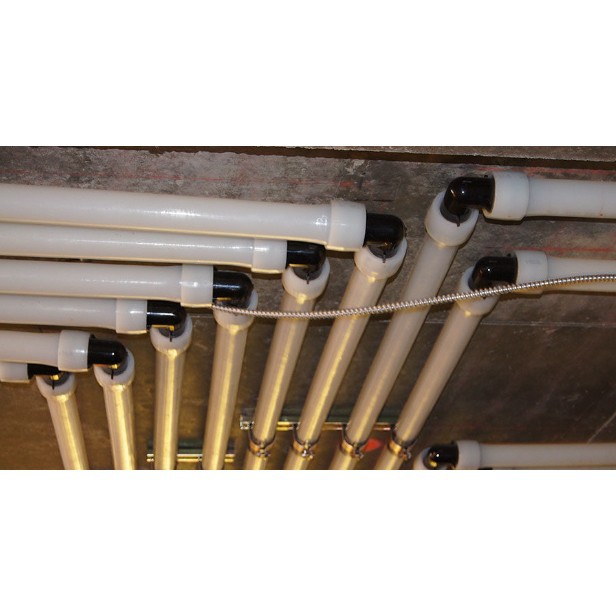
The layout of the heating system, including the length of the pipes, the number of bends and fittings, and the elevation changes, can also affect the choice of pipe diameter. Longer pipes and more complex layouts will generally require a larger pipe diameter to compensate for the increased pressure drop.

5. Future Expansion
If you plan to expand your heating system in the future, it's a good idea to choose a slightly larger pipe diameter than you currently need. This will allow for increased flow rates and heating loads without having to replace the pipes.
Choosing the Right Pipe Diameter for Different Applications
1. Residential Floor Heating
For residential floor heating systems, the most common pipe diameters are 1/2 inch and 5/8 inch. These diameters are suitable for most single-family homes and small apartments. A 1/2-inch pipe is typically used for smaller rooms or areas with lower heating loads, while a 5/8-inch pipe is better for larger rooms or areas with higher heating loads. You can find more information about PEX Pipe for Floor Heating on our website.
2. Commercial Heating
Commercial heating systems often require larger pipe diameters due to the higher heating loads and larger spaces. Pipe diameters of 3/4 inch, 1 inch, or even larger may be necessary for commercial buildings such as offices, schools, and hospitals. In addition, commercial systems may require more complex layouts and higher flow rates, which should be taken into account when choosing the pipe diameter.
3. Radiant Heating in Industrial Settings
Industrial radiant heating systems, such as those used in warehouses and manufacturing facilities, may require even larger pipe diameters to handle the high heating loads. Pipe diameters of 1 inch or more are common in industrial applications. These systems also need to be designed to withstand harsh environments and high pressures.
Using Pipe Sizing Charts and Software
To simplify the process of choosing the appropriate pipe diameter, many manufacturers provide pipe sizing charts and software. These tools take into account factors such as heating load, flow rate, and pressure drop to recommend the optimal pipe diameter for a specific application. When using these resources, make sure to provide accurate information about your heating system to get the most accurate results.
Quality and Standards of Pex Heating Pipes
In addition to choosing the right pipe diameter, it's important to ensure that you're using high-quality Pex heating pipes that meet industry standards. Our company offers PE-Xa Pipe Watermark and PE-Xa Pipe NSF certified pipes, which are known for their excellent performance and durability. These pipes are tested and approved to ensure that they meet strict quality and safety requirements.
Conclusion
Choosing the appropriate diameter of Pex heating pipe is a crucial step in ensuring the efficiency and performance of your heating system. By considering factors such as heating load, flow rate, pressure drop, system layout, and future expansion, you can make an informed decision that will meet your specific needs. If you have any questions or need further assistance in choosing the right pipe diameter for your project, please don't hesitate to contact us. We're here to help you select the best Pex heating pipes for your heating system and provide you with the support you need throughout the installation process. Whether you're a contractor, an HVAC professional, or a homeowner, we're committed to delivering high-quality products and excellent customer service. Let's work together to create a comfortable and energy-efficient heating solution for your space.
References
- ASHRAE Handbook of Fundamentals
- Pex Pipe Manufacturer's Technical Documentation