Can a 3/4 pex pipe be used for a rainwater harvesting system?
Leave a message

Can a 3/4 PEX Pipe be Used for a Rainwater Harvesting System?
Rainwater harvesting is an increasingly popular practice that offers a sustainable solution for water conservation. It involves collecting and storing rainwater for various non - potable uses such as watering gardens, flushing toilets, and even in some cases, laundry. One of the crucial decisions in setting up a rainwater harvesting system is choosing the right pipes for the job. In this blog, as a 3/4 PEX pipe supplier, I'll explore whether a 3/4 PEX pipe can be used for a rainwater harvesting system.
Understanding PEX Pipes
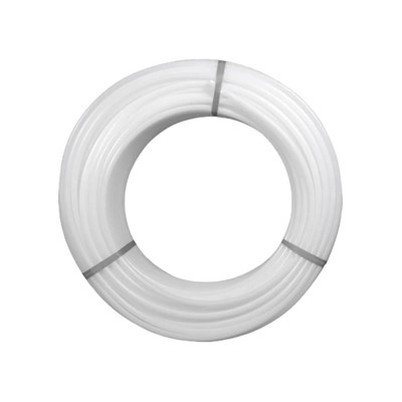
PEX, or cross - linked polyethylene, is a type of plastic pipe that has gained widespread popularity in plumbing systems over the past few decades. It is known for its flexibility, durability, and resistance to corrosion. PEX pipes come in different sizes, with 3/4 inch being a common choice for many plumbing applications.
There are different types of PEX pipes, such as PE - Xa, PE - Xb, and PE - Xc. Among them, PE - Xa Pipe for Plumbing Pipe is often considered the most high - performance option. It has a higher degree of cross - linking, which gives it better resistance to chemicals, temperature variations, and mechanical stress.
Advantages of Using 3/4 PEX Pipes in Rainwater Harvesting Systems
Flow Capacity
One of the primary considerations in a rainwater harvesting system is the flow rate of water. A 3/4 PEX pipe has a relatively large internal diameter, which allows for a significant amount of water to flow through it. This is important during heavy rainfall when a large volume of water needs to be quickly diverted from the roof to the storage tank. The smooth interior surface of PEX pipes also reduces friction, ensuring a more efficient flow compared to some other types of pipes.
Flexibility
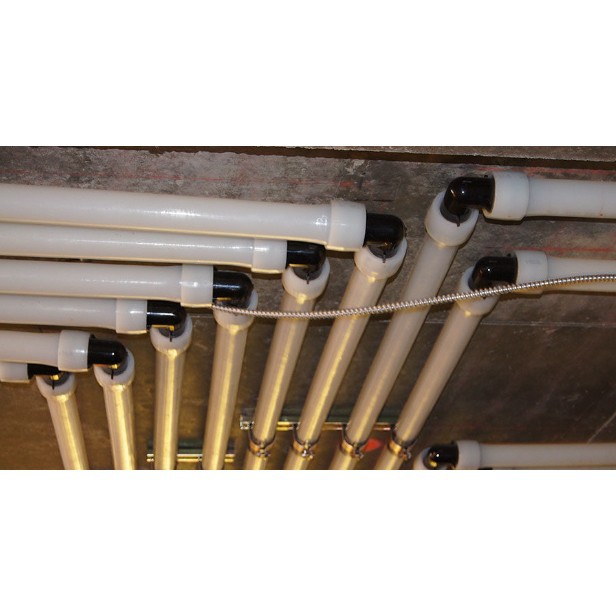
Rainwater harvesting systems often need to be installed in various configurations, around obstacles such as trees, buildings, or other structures. The flexibility of 3/4 PEX pipes makes them easy to install in tight spaces and around corners without the need for numerous fittings. This not only simplifies the installation process but also reduces the chances of leaks at connection points.
Durability
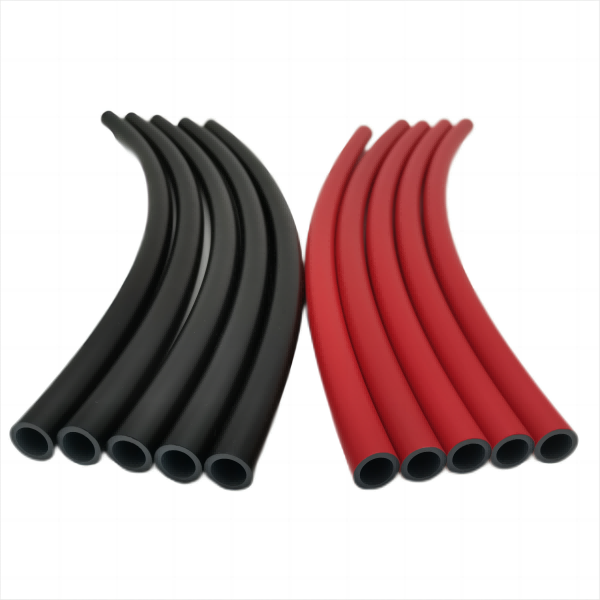
Rainwater harvesting systems are exposed to the elements, including sunlight, temperature changes, and moisture. PEX pipes are highly resistant to corrosion, UV rays, and freezing temperatures. This means that a 3/4 PEX pipe can last for many years in a rainwater harvesting system without deteriorating, providing a long - term and reliable solution.
Compatibility with Fittings
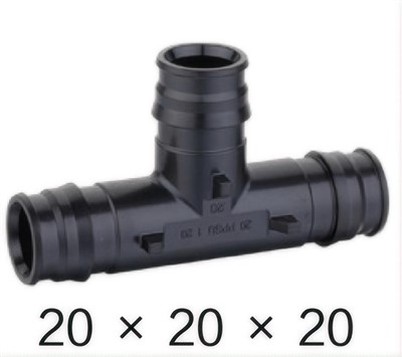
PEX pipes can be easily connected using a variety of fittings, such as PPSU Tee. These fittings are designed to create secure and leak - free connections, ensuring the integrity of the entire rainwater harvesting system. The ease of connection also allows for future modifications or expansions of the system.
Potential Challenges and Considerations
Temperature Limitations
While PEX pipes are generally resistant to a wide range of temperatures, extremely high temperatures can affect their performance. In areas where the sun can heat the pipes to very high levels, there may be a risk of the pipes softening or deforming. However, this can be mitigated by providing proper insulation or shading for the pipes.
Water Quality
Although PEX pipes are considered safe for potable water, in a rainwater harvesting system, the water quality can vary. Rainwater may contain debris, pollutants, or microorganisms. Some studies have suggested that certain chemicals in PEX pipes may leach into the water under specific conditions. However, these risks can be minimized by using proper filtration and treatment systems in the rainwater harvesting setup.
Installation Tips for Using 3/4 PEX Pipes in Rainwater Harvesting Systems
Proper Sizing
Ensure that the 3/4 PEX pipe is appropriately sized for the specific rainwater harvesting system. Consider the size of the roof area, the average rainfall in the region, and the capacity of the storage tank. Oversized or undersized pipes can lead to inefficient water flow and potential problems.
Support and Bracing
Since PEX pipes are flexible, they need to be properly supported and braced to prevent sagging or movement. Use appropriate hangers and brackets at regular intervals to keep the pipes in place.
Filtration and Maintenance
Install a good quality filtration system at the inlet of the rainwater harvesting system to prevent debris from entering the pipes. Regularly inspect and clean the pipes and the entire system to ensure optimal performance.
Conclusion
In conclusion, a 3/4 PEX pipe can be an excellent choice for a rainwater harvesting system. Its flow capacity, flexibility, durability, and compatibility with fittings make it well - suited for this application. While there are some potential challenges, such as temperature limitations and water quality concerns, these can be effectively managed with proper installation and maintenance.
If you are considering setting up a rainwater harvesting system or need to upgrade your existing one, I encourage you to explore the benefits of using 3/4 PEX pipes. As a supplier, I am committed to providing high - quality PE - Xa Pipe Watermark and related products to meet your needs. If you have any questions or would like to discuss your specific requirements, please feel free to reach out to me for a detailed consultation and to start the procurement process.
References
- "Plumbing Engineering: Design and Installation" by Cameron G. Hurley
- "Rainwater Harvesting for Drylands and Beyond" by Brad Lancaster