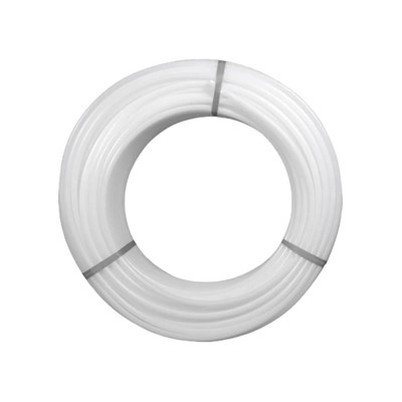
Is a 3 inch pex pipe more expensive than other pipe materials?
Leave a message

Hey there! As a supplier of 3-inch PEX pipes, I often get asked whether a 3-inch PEX pipe is more expensive than other pipe materials. Well, let's dig into this question and break it down to give you a clear picture.
First off, let's talk about what PEX pipes are. PEX, or cross-linked polyethylene, is a flexible plastic tubing that has gained a lot of popularity in the plumbing industry over the past few decades. It's known for its durability, resistance to freezing, and ease of installation. Our 3-inch PEX pipes are no exception. They're great for a variety of applications, from large - scale residential plumbing systems to commercial and industrial projects.
Now, when it comes to comparing the cost of 3 - inch PEX pipes with other pipe materials, we need to look at a few factors.
1. Material Cost
The raw materials used to make PEX pipes are generally less expensive than some other common pipe materials. For instance, copper pipes are made from copper, a metal that has a fluctuating market price. Over the years, copper prices have been on the higher side due to its high demand in various industries. On the other hand, polyethylene, the base material for PEX pipes, is relatively inexpensive. This means that, in terms of raw material cost, 3 - inch PEX pipes have an advantage.
But it's not just about the base material. The manufacturing process also plays a role. Producing PEX pipes is often more cost - effective than manufacturing pipes from other materials. The extrusion process used to make PEX pipes is efficient and can produce large quantities of pipes in a relatively short time. This economies - of - scale effect helps to keep the cost down.
2. Installation Cost
Installation is a significant part of the overall cost when it comes to plumbing projects. 3 - inch PEX pipes are much easier to install compared to many other pipe materials. They're flexible, which means they can be bent around corners and obstacles without the need for a large number of fittings. In contrast, rigid pipes like copper or steel often require more complex installation techniques and a greater number of joints and fittings.
For example, when installing a 3 - inch copper pipe, you may need to use soldering techniques, which require specialized skills and tools. This not only increases the labor cost but also the time required for installation. With PEX pipes, you can use simple push - fit or crimp - ring fittings, which are quicker and easier to install. So, from an installation perspective, 3 - inch PEX pipes can save you a lot of money.
3. Long - Term Cost
When considering the cost of a pipe material, we also need to look at the long - term costs. PEX pipes have a long lifespan. They're resistant to corrosion, which is a major problem with metal pipes like iron or steel. Corrosion can lead to leaks, reduced water flow, and eventually, the need for pipe replacement.
In addition, PEX pipes are less likely to burst in freezing conditions. When water freezes, it expands, and rigid pipes may crack under the pressure. PEX pipes, being flexible, can withstand the expansion of frozen water to a certain extent, reducing the risk of costly repairs.
Over the long run, the durability and low maintenance requirements of 3 - inch PEX pipes can result in significant cost savings.
Comparing with Specific Pipe Materials
Copper Pipes
As mentioned earlier, copper pipes are generally more expensive than PEX pipes. The high cost of copper itself, combined with the complex installation process, makes them a pricier option. For a large - scale project using 3 - inch pipes, the cost difference between copper and PEX can be substantial. Plus, copper pipes may require more frequent maintenance due to potential corrosion issues.
PVC Pipes
PVC (polyvinyl chloride) pipes are another common option. They're relatively inexpensive and easy to install. However, PVC pipes have some limitations. They're not as flexible as PEX pipes, which can make installation in complex layouts more difficult. Also, PVC pipes may not be suitable for high - temperature applications. In some cases, where the water temperature is high, PEX pipes are a better choice, even though they may cost a bit more upfront.
Steel Pipes
Steel pipes are strong and durable but are often more expensive than PEX pipes. The cost of steel, along with the need for special coatings to prevent corrosion, adds to the overall cost. Installation of steel pipes is also more labor - intensive, involving welding or threading, which requires skilled workers.
Other Considerations
It's important to note that the price of 3 - inch PEX pipes can vary depending on the quality and brand. There are different types of PEX pipes, such as PE-Xa Pipe NSF and PE-Xa Pipe ISO15875. These pipes are manufactured to meet specific standards, which may affect their price.
In some cases, you may also need to use additional fittings like PPSU Tee when installing PEX pipes. The cost of these fittings should also be factored into the overall cost.
So, is a 3 - inch PEX pipe more expensive than other pipe materials? In most cases, the answer is no. When you consider the material cost, installation cost, and long - term cost, 3 - inch PEX pipes are often a more cost - effective option.


If you're planning a plumbing project and are considering using 3 - inch pipes, I'd highly recommend giving PEX pipes a serious thought. They offer a great combination of affordability, durability, and ease of installation. Whether it's a residential, commercial, or industrial project, our 3 - inch PEX pipes can meet your needs.
If you're interested in purchasing 3 - inch PEX pipes or have any questions about our products, feel free to reach out. We're here to help you make the best decision for your project and offer you the best value for your money.
References
- "Plumbing Materials Handbook"
- Industry reports on pipe manufacturing and pricing trends.