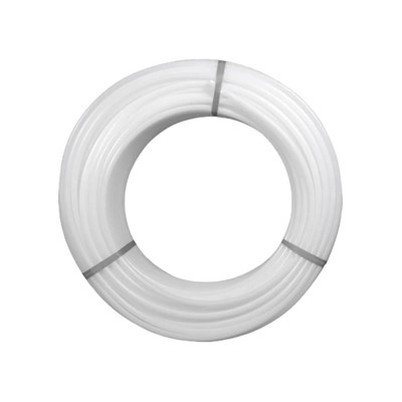
What are the disadvantages of PERT Pipe?
Leave a message

Hey there! As a PERT pipe supplier, I've been dealing with these pipes for quite some time. PERT pipes, or Polyethylene of Raised Temperature resistance pipes, have gained a lot of popularity in the plumbing and heating industries. They're known for their flexibility, durability, and resistance to high temperatures. But like anything else, they're not without their drawbacks. In this blog, I'll be sharing some of the disadvantages of PERT pipes that you should be aware of before making a decision for your project.
1. Higher Initial Cost
One of the first things you'll notice when considering PERT pipes is that they can be a bit pricier compared to other types of pipes, like PVC or PE pipes. The manufacturing process of PERT pipes involves special additives and techniques to enhance their temperature resistance and flexibility. These additional steps drive up the cost of production, which is then passed on to the consumer.
If you're working on a tight budget, the higher upfront cost of PERT pipes might be a deal-breaker. You'll need to weigh the long-term benefits against the initial investment. While PERT pipes can save you money in the long run due to their durability and low maintenance requirements, the initial outlay can be a significant hurdle for some projects.
2. Susceptibility to UV Damage
PERT pipes are not very resistant to ultraviolet (UV) radiation. When exposed to direct sunlight for extended periods, the pipes can start to degrade. UV rays can break down the molecular structure of the PERT material, making it brittle and more prone to cracking.


This means that if you're planning to use PERT pipes outdoors, you'll need to take extra precautions. You can use protective sleeves or bury the pipes underground to shield them from the sun. But these additional measures add to the overall cost and complexity of the installation. For more information on protective measures for PERT pipes, you can check out this PERT Tube resource.
3. Limited Chemical Resistance
Another disadvantage of PERT pipes is their limited resistance to certain chemicals. While they're generally resistant to water and most common household chemicals, they can be damaged by some industrial chemicals, solvents, and strong acids or bases.
If your project involves transporting or storing chemicals, you need to carefully evaluate whether PERT pipes are suitable. Exposure to incompatible chemicals can cause the pipes to swell, soften, or even dissolve over time. This can lead to leaks, contamination, and costly repairs. You'll need to consult with a chemical compatibility chart or a professional engineer to determine if PERT pipes are the right choice for your specific chemical application.
4. Installation Challenges
Installing PERT pipes requires some skill and experience. Unlike some other types of pipes that can be easily joined with simple techniques, PERT pipes often require specialized tools and methods for proper installation.
For example, PERT pipes are typically joined using heat fusion or compression fittings. Heat fusion requires a heat fusion machine, which can be expensive and requires training to operate correctly. If the heat fusion is not done properly, it can result in weak joints that are prone to leakage. Compression fittings, on the other hand, need to be tightened to the correct torque to ensure a secure connection. Improper installation of compression fittings can also lead to leaks.
Moreover, PERT pipes are flexible, which can be both an advantage and a disadvantage during installation. While their flexibility allows for easy bending around obstacles, it can also make them more difficult to keep in place during installation. You may need to use additional supports and clamps to ensure the pipes are properly aligned and secured.
5. Temperature Limitations
Although PERT pipes are designed to withstand high temperatures, they do have their limits. In extremely high-temperature applications, the performance of PERT pipes can be affected.
At very high temperatures, the pipes can start to lose their shape and strength. This can lead to sagging, deformation, and even failure of the pipes. The maximum continuous operating temperature for PERT pipes is typically around 95°C (203°F). If your application requires temperatures above this range, you'll need to consider other types of pipes that can handle higher temperatures, such as metal pipes or high-temperature plastic pipes.
6. Recycling Challenges
In today's environmentally conscious world, recycling is an important consideration. Unfortunately, PERT pipes can be difficult to recycle. The special additives and molecular structure of PERT material make it challenging to separate and process for recycling.
Most recycling facilities are not equipped to handle PERT pipes, which means that a large number of PERT pipes end up in landfills at the end of their lifespan. This is not only a waste of resources but also has a negative impact on the environment. As a supplier, I'm always looking for ways to improve the recyclability of our products, but it's still a significant challenge in the industry.
Conclusion
So, there you have it - some of the disadvantages of PERT pipes. Despite these drawbacks, PERT pipes still have many advantages, such as their flexibility, durability, and resistance to corrosion. Whether PERT pipes are the right choice for your project depends on your specific needs, budget, and application.
If you're still considering using PERT pipes for your project, I'd be more than happy to discuss your requirements in detail. I can provide you with more information, samples, and pricing. Just reach out to me, and we can start a conversation about how PERT pipes can work for you.
References
- "Polyethylene Pipes: Properties, Design, and Applications" by various authors
- Industry reports on PERT pipe manufacturing and usage