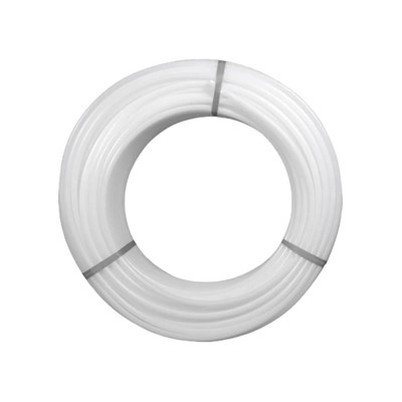
Is a 16mm PEX pipe suitable for hot water systems?
Leave a message

Is a 16mm PEX pipe suitable for hot water systems? That's a question I get asked a lot as a supplier of 16mm PEX pipes. And let me tell you, it's not a one - size - fits - all answer. But I'm here to break it down for you in a way that's easy to understand.
First off, let's talk about what PEX pipes are. PEX, or cross - linked polyethylene, is a type of plastic pipe that has gained a ton of popularity in plumbing systems over the past few decades. It's flexible, easy to install, and can handle a wide range of temperatures.
When it comes to hot water systems, there are a few key factors we need to consider to figure out if a 16mm PEX pipe is a good fit.
Flow Rate
One of the most important things is the flow rate. In a hot water system, you want to make sure that enough hot water can reach your faucets and appliances when you need it. A 16mm PEX pipe has a decent internal diameter that allows for a reasonable flow of hot water. For a small to medium - sized household, it can usually meet the demand just fine.

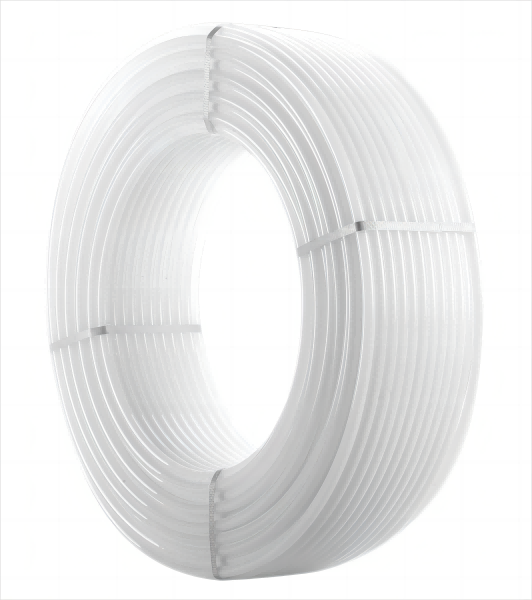
Let's say you have a typical family home with a couple of bathrooms and a kitchen. The 16mm PEX pipe can carry enough hot water to run a shower and a sink at the same time without a significant drop in water pressure. However, if you have a large house with multiple bathrooms and high - demand appliances like a jacuzzi or a commercial - grade dishwasher, you might start to notice some issues. In those cases, you might want to consider using a larger diameter pipe to ensure a consistent flow rate.
Temperature Resistance
Another crucial aspect is temperature resistance. PEX pipes are known for their ability to handle high temperatures. Most 16mm PEX pipes can withstand hot water temperatures of up to 82 - 93°C (180 - 200°F). This is well within the range of typical hot water system temperatures. Whether you're running a traditional water heater or a modern tankless system, a 16mm PEX pipe should be able to handle the heat without any problems.
But it's not just about withstanding the heat; it's also about how the pipe behaves over time. PEX pipes are designed to expand and contract with temperature changes. A 16mm PEX pipe will expand slightly when it's filled with hot water, and then contract back to its original size when the water cools down. This ability to adapt to temperature changes helps prevent leaks and other issues that can occur with more rigid pipes.
Installation
Installation is a breeze with 16mm PEX pipes. Unlike traditional copper or PVC pipes, PEX pipes are flexible, which means you can bend them around corners and obstacles without having to use a lot of fittings. This not only makes the installation process faster but also reduces the chances of leaks at the joints.
You can use a variety of fittings with 16mm PEX pipes, such as the Ppsu Elbow 90° to change the direction of the pipe. These fittings are easy to install and provide a secure connection. And because PEX pipes are lightweight, they're much easier to handle and transport compared to heavier materials.
Compatibility with Other Components
A 16mm PEX pipe is also compatible with most hot water system components. Whether you're connecting it to a water heater, a radiator, or a floor heating system, you shouldn't have any major compatibility issues.
For example, if you're installing a PEX Pipe for Floor Heating, a 16mm PEX pipe can work great. It can distribute hot water evenly across the floor, providing efficient and comfortable heating. And if you're using a water heater, you can easily connect the 16mm PEX pipe to the inlet and outlet ports.
Durability
Durability is a big deal when it comes to hot water systems. You don't want to have to replace your pipes every few years. 16mm PEX pipes are highly durable and can last for decades. They're resistant to corrosion, which is a common problem with metal pipes in hot water systems.
They're also resistant to scale buildup, which can reduce the flow rate and efficiency of your hot water system over time. With proper installation and maintenance, a 16mm PEX pipe can provide reliable service for a long time.
Cost
Cost is always a factor when choosing pipes for your hot water system. 16mm PEX pipes are generally more affordable than copper pipes. They're also less expensive to install because you need fewer fittings and less labor. This makes them a cost - effective option for both homeowners and contractors.
However, it's important to remember that the cheapest option isn't always the best. You want to make sure you're getting a high - quality 16mm PEX pipe, like our PE - Xa Pipe NSF, which meets industry standards and has been tested for safety and performance.
Potential Drawbacks
Of course, no pipe is perfect. One potential drawback of using a 16mm PEX pipe in a hot water system is that it may not be suitable for extremely high - flow applications. As I mentioned earlier, if you have a large property with multiple high - demand fixtures, you might need a larger diameter pipe.
Another thing to consider is that PEX pipes can be affected by exposure to sunlight. If your pipes are installed outdoors or in an area with a lot of sunlight, you'll need to protect them with insulation or a UV - resistant coating.
In conclusion, a 16mm PEX pipe can be a great choice for most hot water systems, especially in small to medium - sized households. It offers a good balance of flow rate, temperature resistance, ease of installation, compatibility, durability, and cost. However, it's important to assess your specific needs and circumstances before making a decision.
If you're thinking about using 16mm PEX pipes for your hot water system, I'd love to talk to you. I can help you figure out if it's the right choice for your project and provide you with high - quality products. Feel free to reach out for a consultation and let's start discussing your options.
References
- "Plumbing Engineering: Design and Installation" by Stephen A. Rutz.
- "The Handbook of PEX Plumbing" by John W. Hardy.