What are the common methods to repair a 3 inch pex pipe?
Leave a message

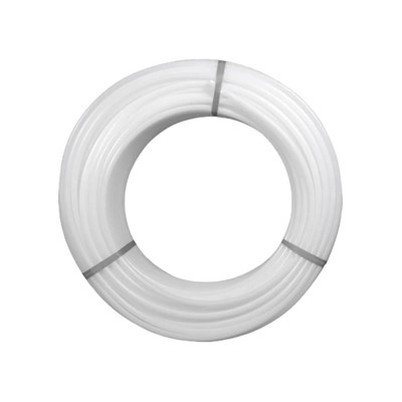
As a supplier of 3-inch PEX pipes, I understand the importance of knowing how to repair these pipes effectively. PEX (Cross-linked Polyethylene) pipes are popular due to their flexibility, durability, and resistance to corrosion. However, like any plumbing system, they may require repairs over time. In this blog post, I'll share some common methods to repair a 3-inch PEX pipe.
1. Identifying the Problem
Before you start any repair work, it's crucial to identify the exact location and nature of the problem. Common issues with PEX pipes include leaks, cracks, or kinks. You can visually inspect the pipe for signs of water damage, such as wet spots or mold growth. If the leak is not visible, you may need to use a pressure test to locate the problem area.
2. Gather the Necessary Tools and Materials
Once you've identified the problem, gather the tools and materials you'll need for the repair. Here's a list of essential items:
- Pipe Cutters: To cut the damaged section of the PEX pipe cleanly.
- PEX Fittings: Depending on the type of repair, you'll need appropriate fittings such as couplings, elbows, or tees.
- Crimp Rings or Clamps: These are used to secure the fittings to the PEX pipe.
- Crimping Tool or Clamp Tool: To install the crimp rings or clamps correctly.
- Pipe Lubricant: Helps to insert the fittings into the PEX pipe smoothly.
- Teflon Tape: For sealing threaded connections.
3. Repair Methods
Method 1: Using a Coupling
This is one of the most common methods for repairing a PEX pipe. It's suitable for fixing small leaks or replacing a damaged section of the pipe.
- Cut the Damaged Section: Use a pipe cutter to remove the damaged part of the PEX pipe. Make sure the cut is straight and clean.
- Prepare the Pipe Ends: Deburr the cut ends of the PEX pipe to ensure a smooth surface. Apply a small amount of pipe lubricant to the outside of the pipe ends.
- Insert the Coupling: Slide a coupling over one of the pipe ends. The coupling should have a smooth interior to allow for easy installation.
- Insert the Crimp Ring: Place a crimp ring over the pipe end, just inside the coupling.
- Crimp the Ring: Use a crimping tool to compress the crimp ring onto the pipe. Make sure the crimp is tight and uniform.
- Repeat for the Other End: Repeat steps 3 - 5 for the other end of the pipe.
Method 2: Using a Compression Fitting
Compression fittings are another option for repairing PEX pipes. They are easy to install and do not require special tools.
- Cut the Damaged Section: As with the coupling method, cut out the damaged part of the PEX pipe.
- Prepare the Pipe Ends: Deburr the pipe ends and apply pipe lubricant.
- Assemble the Compression Fitting: Slide the compression nut, ferrule, and fitting body onto the pipe end in that order.
- Tighten the Nut: Use a wrench to tighten the compression nut onto the fitting body. Make sure not to overtighten, as this can damage the fitting.
Method 3: Patching the Pipe
If the damage is minor, such as a small crack or hole, you can patch the pipe using a PEX repair patch.
- Clean the Area: Clean the damaged area of the PEX pipe with a mild detergent and dry it thoroughly.
- Apply the Patch: Cut a piece of PEX repair patch to fit over the damaged area. Apply a layer of PEX adhesive to the back of the patch and press it firmly onto the pipe.
- Allow the Adhesive to Cure: Follow the manufacturer's instructions for the curing time of the adhesive.
4. Testing the Repair
After completing the repair, it's important to test the pipe to ensure that the leak has been fixed. Turn on the water supply and check for any signs of leakage. If there are no leaks, the repair was successful.
5. Preventive Maintenance
To avoid future repairs, it's a good idea to perform regular preventive maintenance on your PEX pipes. Here are some tips:


- Inspect the Pipes Regularly: Look for signs of damage, such as cracks, leaks, or kinks.
- Protect the Pipes from Freezing: In cold climates, insulate the pipes to prevent them from freezing and bursting.
- Avoid Excessive Pressure: Make sure the water pressure in your plumbing system is within the recommended range.
6. Our Product Range
As a supplier of 3-inch PEX pipes, we offer a wide range of high-quality products to meet your needs. Our PEX Anti UV Pipe is designed to resist the damaging effects of ultraviolet rays, making it suitable for outdoor applications. Our PE-Xa Pipe ISO15875 and PE-Xa Pipe Watermark meet international standards and are ideal for a variety of plumbing systems.
7. Contact Us for Purchase
If you're interested in purchasing our 3-inch PEX pipes or need more information about our products, please feel free to contact us. We have a team of experts who can assist you with your plumbing needs and provide you with the best solutions. Whether you're a contractor, a DIY enthusiast, or a homeowner, we're here to help you find the right PEX pipes for your project.
References
- "PEX Plumbing Systems: A Comprehensive Guide" by Plumbing Supply Network
- "Repairing PEX Pipes: Tips and Tricks" by Home Improvement Today