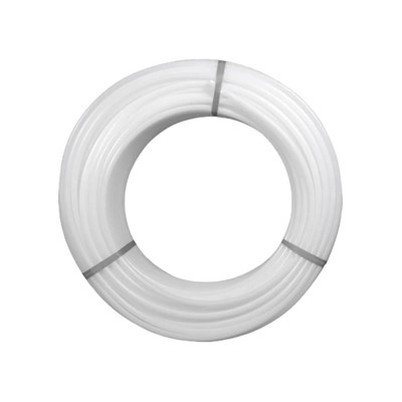
What are the challenges of using PERT Tube in marine environments?
Leave a message

Yo, I'm a supplier of PERT Tube, and I've gotta say, using PERT tubes in marine environments ain't no walk in the park. It's like throwing a party in a hurricane - there are all sorts of challenges that can come up and mess things up. In this blog, I'll break down some of the major hurdles we face when it comes to using PERT tubes in the big blue sea.
Corrosion and Chemical Resistance
First off, let's talk about corrosion. The ocean is a harsh place, filled with saltwater, and all sorts of chemicals floating around. PERT tubes are made of polyethylene - a type of plastic that's generally pretty good at holding up against a lot of things. But in a marine setting, it's a whole different ballgame.
Saltwater is a super corrosive agent. Over time, it can eat away at the outer layer of the PERT tube. This corrosion weakens the tube's structure, making it more prone to leaks and cracks. And once a crack starts, it can spread like wildfire, leading to potential failures in the system the tube is part of.


Then there are other chemicals in the ocean, like acids from pollutants or natural biochemicals. These can also have a negative impact on the PERT tubes. Some of these chemicals might react with the polyethylene, causing it to lose its integrity. For example, certain acidic compounds in the water can degrade the molecular structure of the PERT material, reducing its strength and flexibility.
Temperature Variations
The temperature in the marine environment can be as unpredictable as a teenager's mood. During the day, the sun can heat up the surface water quite a bit, especially in shallower areas or in tropical regions. At night, or in deeper waters, it can get cold - really cold.
PERT tubes are pretty good at withstanding normal temperature ranges. But in the marine world, the wide fluctuations can cause problems. When the temperature rises, the tube can expand. If it's not properly installed with room to expand, this can put a lot of stress on the joints and connections. On the flip side, when it gets cold, the tube contracts. Repeated expansion and contraction over time can lead to fatigue in the material. Just like how you'd get tired if you were constantly jumping up and down, the PERT tube can lose its ability to bounce back and start developing weaknesses.
Hydrostatic Pressure
As you go deeper into the ocean, the hydrostatic pressure increases. It's like the weight of all the water above pushing down on the PERT tube. This pressure can be intense, especially in deep - sea applications.
PERT tubes need to be able to handle this pressure without collapsing. Even a small defect or a weak point in the tube can cause it to fail under high hydrostatic pressure. And it's not just the direct pressure on the tube itself; it also affects the connections between different sections of the tube. The seals and joints need to be able to withstand the pressure to prevent any leaks. If they don't, water can seep into areas where it's not supposed to go, causing all sorts of issues for the overall system.
Marine Growth
The ocean is teeming with life, and a lot of that life likes to make a home on just about anything it can find - including PERT tubes. Marine organisms like barnacles, algae, and mussels can attach themselves to the surface of the tube.
This marine growth can cause several problems. Firstly, it adds extra weight to the tube. If the tube is part of a floating structure or a suspended system, this additional weight can throw off the balance and stability. Secondly, the growth can block the flow of fluid inside the tube if it manages to get into the opening or narrow parts. This can disrupt the normal operation of the system and reduce its efficiency. And finally, the organisms might release chemicals as they grow and live on the tube, which can further corrode or damage the PERT material.
Biofouling
Biofouling is related to marine growth but deserves its own mention. It's the build - up of microorganisms, algae, and other biological matter on the tube's surface. These biofilms can form in a relatively short period of time, especially in warm, nutrient - rich waters.
Biofouling can not only cause physical blockages and increase friction inside the tube but can also affect the chemical properties of the PERT material. Some of the microorganisms produce enzymes or acids that can break down the polyethylene. This can lead to long - term degradation of the tube and again, increase the risk of leaks and failures.
Installation Challenges
Installing PERT tubes in the marine environment is a challenge in itself. Unlike on land, where you have a stable surface and relatively easy access, the ocean is constantly moving. Waves, tides, and currents can make it difficult to accurately place the tubes in the right position.
Getting the tubes to the installation site also poses problems. They need to be transported carefully to avoid any damage during transit. Once at the site, the installation process might require specialized equipment and skilled workers. Diving teams or remotely operated vehicles (ROVs) might be needed for deep - sea installations. And all of these extra steps add to the cost and complexity of the project.
Maintenance
Maintaining PERT tubes in the marine environment is no cakewalk. Regular inspections are a must to check for any signs of corrosion, damage, or marine growth. But conducting these inspections in the ocean can be difficult and costly.
If a problem is detected, repairs can be a challenge. It might be hard to access the damaged area, especially in deep - sea locations. And even if you can get to it, the conditions underwater make it tough to carry out the repairs effectively. You need to work against the current, the pressure, and the freezing temperatures in some cases. All these factors mean that maintenance is often more expensive and time - consuming compared to tubes used in other environments.
Solutions and Coping Strategies
Now, you might be thinking, "With all these challenges, why even use PERT tubes in the marine environment?" Well, despite the difficulties, PERT tubes have some great properties that make them a viable option, like their flexibility and relatively low cost compared to some other materials.
We can take some steps to overcome these challenges. For corrosion, we can use special coatings on the PERT tubes. These coatings act as a barrier between the tube and the corrosive salts and chemicals in the ocean. They can help extend the lifespan of the tube significantly.
To deal with temperature variations, we can design the installation with expansion joints. These joints allow the tube to expand and contract without causing too much stress on the overall structure.
When it comes to marine growth and biofouling, we can use anti - fouling paints or coatings. These paints are formulated to prevent marine organisms from attaching to the surface of the tube. And for the hydrostatic pressure, we can use thicker - walled PERT tubes or reinforce them with additional materials to increase their strength.
If you're facing these challenges and are considering using PERT tubes in your marine project, or if you have any questions about our products, I'd love to chat. We can discuss how we can work together to find the best solutions for your specific needs. Whether it's custom - made tubes with special coatings or advice on installation and maintenance, we're here to help. So, don't hesitate to reach out and let's start a conversation about making your marine project a success.
References
- Smith, J. (2020). "Materials in Marine Engineering." Ocean Press.
- Johnson, M. (2019). "Challenges of Pipeline Installations in the Ocean." Marine Technology Journal.
- Brown, R. (2021). "Marine Growth and its Impact on Infrastructure." Coastal Science Review.