Can PERT Pipe be used in oil and gas pipeline systems?
Leave a message

Hey there! As a PERT Pipe supplier, I'm often asked if PERT pipe can be used in oil and gas pipeline systems. It's a valid question, and one that deserves a good, thorough answer. So, let's dive right in!
What is PERT Pipe Anyway?
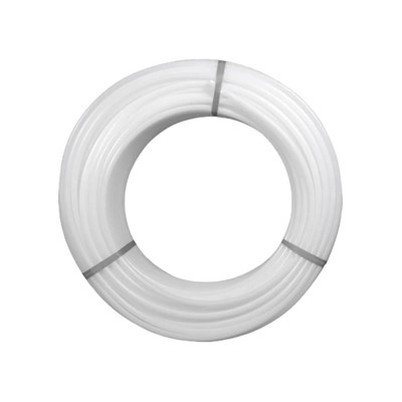
Before we get into whether PERT pipes are suitable for oil and gas pipelines, let's quickly talk about what PERT pipe is. PERT stands for “PE-RT,” which is short for “Polyethylene of Raised Temperature resistance.” It's a type of plastic pipe that's been around for a while, and it has some great features.
PERT pipes are known for their flexibility, which makes them super easy to install. You don't need to do a whole lot of complicated bending or joining. They also have good chemical resistance, which means they can put up with a variety of different substances without getting damaged easily. And they're great at withstanding high temperatures compared to some other types of plastic pipes. You can check out more about PERT Tube on our website.
The Oil and Gas Pipeline Systems Requirements
Oil and gas pipeline systems are a whole different ballgame. They operate under some pretty harsh conditions. First off, the pressure in these pipelines can be really high. You've got large volumes of oil or gas flowing through these pipes, and that creates a lot of force.
Temperature is another big factor. In some oil fields, it can be really hot on the surface, while deep underground, it can be much colder. And when transporting gas, there might be sudden temperature changes due to compression and expansion.
Chemically, oil and gas contain all sorts of substances. There are hydrocarbons, of course, but there can also be traces of sulfur compounds, water, and other corrosive elements. A pipeline material needs to be able to handle all these without failing.
PERT Pipes' Performance Against These Requirements
Pressure Resistance
PERT pipes have a decent pressure rating. They are designed to handle normal water - pressure in plumbing systems, but they might struggle in high - pressure oil and gas applications. Oil and gas pipelines often operate at far higher pressures than what a typical PERT pipe is rated for. High - pressure situations can cause cracks or leaks in the PERT pipe over time.
Temperature Tolerance
As I mentioned, PERT pipes can withstand raised temperatures better than many other normal plastics. However, the extreme temperature variations in oil and gas environments can be too much. The constant heating and cooling cycles can cause the material to expand and contract, which can lead to stress on the pipe walls and eventually result in failure.
Chemical Compatibility
Here's where things get a bit messy. While PERT pipes do have some chemical resistance, oil and gas are a different story. Hydrocarbons in oil and gas can act as solvents over time, slowly breaking down the PERT material. Also, those corrosive sulfur compounds can eat away at the pipe, especially if there's water present, which can form acids.
When PERT Pipes Might Work in Oil and Gas Operations
It's not all doom and gloom for PERT pipes in the oil and gas industry. There are some situations where they could potentially be used.
Low - pressure Systems
If you're dealing with a low - pressure part of the oil or gas pipeline, like in some collection or storage areas where the flow isn't under a lot of force, PERT pipes could be considered. For example, in smaller-scale gathering systems close to wellheads where the pressure is relatively low, PERT pipes might hold up.
Non - aggressive Chemical Environments
If the oil or gas being transported is relatively clean and doesn't contain a lot of the corrosive or solvent - like substances, PERT pipes might have a chance. Maybe in some specialized gas production where the gas has been pre - treated to remove most of the impurities, the chemical stress on the pipes would be reduced.
What About Cost - effectiveness?
Let's talk money. One of the biggest advantages of PERT pipes is their cost. They are generally cheaper than many metal pipes commonly used in the oil and gas industry. This cost - effectiveness can be really appealing, especially for small - scale projects or when budget is a major concern. Installation costs are also lower due to their flexibility, which means less labor and fewer specialized tools.
Testing and Certification
Before using PERT pipes in any oil and gas application, proper testing and certification are a must. You need to see how a specific PERT pipe performs under the actual conditions it will face. There are some industry standards and tests that can assess things like pressure resistance, temperature tolerance, and chemical compatibility. Getting a pipe that has been tested and certified for a particular set of conditions gives you a much better idea of whether it will work.
Making the Decision
Deciding whether to use PERT pipes in an oil and gas pipeline system is not a straightforward process. You've got to weigh the pros and cons carefully. On one hand, you've got the cost - effectiveness and ease of installation. On the other hand, you've got to be sure that the pipe can actually handle the pressure, temperature, and chemical challenges.
It's always a good idea to consult with a professional engineer or someone with experience in the oil and gas pipeline industry. They can analyze the specific conditions of your project and give you a more informed opinion.
Conclusion and Call to Action
So, can PERT pipe be used in oil and gas pipeline systems? The answer is it depends. There are some situations where it could work, but it's definitely not a one - size - fits - all solution.
If you're involved in an oil or gas project and are thinking about using PERT pipes, or if you have more questions about our PERT products, we're here to help. Get in touch with us to start a conversation and see if our PERT pipes might be a good fit for your needs. We can provide you with detailed information, samples for testing, and work together to find the best solution for your pipeline requirements.


References
- ASME B31.8: Gas Transmission and Distribution Piping Systems.
- ASTM standards for plastic pipe testing related to pressure, temperature, and chemical resistance.