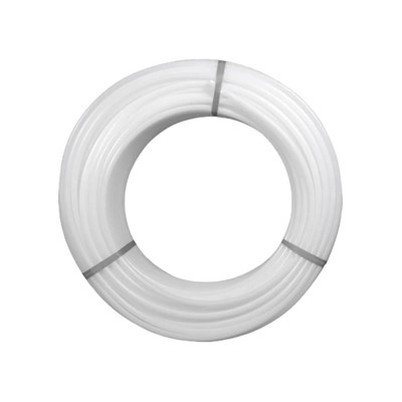
Is Pex tubing more flexible than other types of tubing?
Leave a message

In the world of plumbing and heating systems, the choice of tubing is a critical decision that can significantly impact the performance, durability, and ease of installation of the overall system. Among the various types of tubing available in the market, Pex tubing has gained considerable popularity in recent years. As a Pex tubing supplier, I often encounter the question: "Is Pex tubing more flexible than other types of tubing?" In this blog post, I will delve into this question, exploring the characteristics of Pex tubing and comparing it with other common types of tubing to determine its flexibility advantages.
Understanding Pex Tubing
Pex, or cross-linked polyethylene, is a type of plastic tubing that has been chemically modified to enhance its physical properties. The cross-linking process creates a three-dimensional network of polymer chains, which gives Pex tubing several advantages over traditional tubing materials. One of the most notable features of Pex tubing is its flexibility. Unlike rigid pipes such as copper or PVC, Pex tubing can be bent and curved without the need for additional fittings or joints. This flexibility makes it easier to install in tight spaces and around obstacles, reducing the time and cost of installation.
There are three main types of Pex tubing: PEX-A, PEX-B, and PEX-C. Each type is produced using a different cross-linking method, which results in slightly different physical properties. PEX-A, for example, is the most flexible type of Pex tubing and has the highest degree of cross-linking. It is also the most resistant to stress cracking and has the best freeze resistance. PEX-B is the most commonly used type of Pex tubing and is known for its good balance of flexibility, strength, and cost. PEX-C is the least flexible type of Pex tubing but is still more flexible than many other types of tubing.
Comparing Pex Tubing with Other Types of Tubing
To determine whether Pex tubing is more flexible than other types of tubing, it is necessary to compare it with some of the most common alternatives. Here are some of the most popular types of tubing used in plumbing and heating systems and how they compare to Pex tubing in terms of flexibility:
Copper Tubing
Copper tubing has been a popular choice for plumbing systems for many years due to its durability, corrosion resistance, and high heat transfer rate. However, copper tubing is relatively rigid and requires the use of fittings and joints to make bends and turns. This can make installation more time-consuming and expensive, especially in tight spaces. In contrast, Pex tubing can be bent and curved without the need for additional fittings, making it much easier to install.
PVC Tubing
PVC, or polyvinyl chloride, is a type of plastic tubing that is commonly used in drainage and wastewater systems. PVC tubing is lightweight, inexpensive, and easy to install. However, it is not as flexible as Pex tubing and can become brittle over time, especially in cold temperatures. Pex tubing, on the other hand, remains flexible even in cold weather and is less likely to crack or break.
CPVC Tubing
CPVC, or chlorinated polyvinyl chloride, is a type of plastic tubing that is similar to PVC but has been chemically modified to increase its temperature resistance. CPVC tubing is commonly used in hot water supply systems. Like PVC tubing, CPVC tubing is relatively rigid and requires the use of fittings and joints to make bends and turns. Pex tubing, with its superior flexibility, offers a more convenient and cost-effective alternative for hot water applications.
PE-RT Tubing
PE-RT, or polyethylene of raised temperature resistance, is a type of plastic tubing that is designed for use in hot and cold water systems. PE-RT tubing is more flexible than some other types of plastic tubing but is still not as flexible as Pex tubing. Pex tubing's ability to be bent and curved with ease makes it a better choice for installations that require complex routing.
Advantages of Pex Tubing's Flexibility
The flexibility of Pex tubing offers several advantages in plumbing and heating systems:
Easier Installation
As mentioned earlier, the flexibility of Pex tubing makes it easier to install in tight spaces and around obstacles. This can save time and labor costs during installation, especially in complex plumbing systems. With Pex tubing, installers can make bends and turns without the need for additional fittings, reducing the number of potential leak points.
Reduced Fittings and Joints
Since Pex tubing can be bent and curved without the need for additional fittings, there are fewer joints in the system. This reduces the risk of leaks and improves the overall reliability of the plumbing or heating system. Fewer fittings also mean less material cost and a simpler installation process.
Better Adaptability
Pex tubing's flexibility allows it to adapt to changes in temperature and pressure without cracking or breaking. This makes it a more reliable choice for systems that are subject to frequent temperature fluctuations or high-pressure conditions.
Space Savings
The ability to bend and curve Pex tubing allows for more efficient use of space in plumbing and heating systems. This is especially important in small or confined spaces where traditional rigid tubing may not fit.
Applications of Pex Tubing
The flexibility of Pex tubing makes it suitable for a wide range of applications:

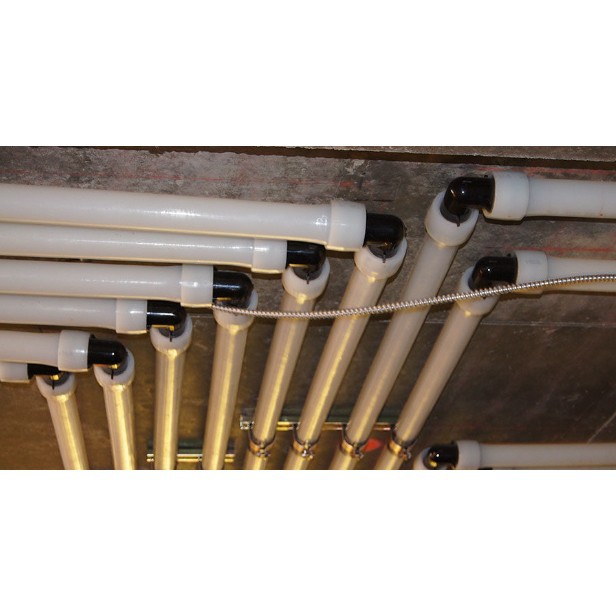
Water Supply Systems
Pex tubing is commonly used in both hot and cold water supply systems. Its flexibility allows for easy installation in residential and commercial buildings, and its resistance to corrosion and scale buildup ensures long-term performance. You can learn more about PEX Pipe for Water Supply.
Floor Heating Systems
Pex tubing is an ideal choice for radiant floor heating systems. Its flexibility allows it to be easily installed in a serpentine pattern under the floor, providing efficient and uniform heat distribution. Check out PEX Pipe for Floor Heating for more information.
Snow Melting Systems
In areas with heavy snowfall, Pex tubing can be used in snow melting systems. Its flexibility allows for easy installation in driveways, sidewalks, and other outdoor surfaces, providing a convenient and effective way to melt snow and ice.
Conclusion
In conclusion, Pex tubing is indeed more flexible than many other types of tubing commonly used in plumbing and heating systems. Its ability to be bent and curved without the need for additional fittings makes it easier to install, reduces the risk of leaks, and offers better adaptability to changing conditions. Whether you are installing a new plumbing system, a floor heating system, or a snow melting system, Pex tubing's flexibility can provide significant advantages.
If you are interested in purchasing Pex tubing for your next project, I encourage you to contact us for more information. Our team of experts can help you choose the right type of Pex tubing for your specific needs and provide you with competitive pricing and excellent customer service. We also offer a wide range of PE-Xa Pipe Watermark products that meet the highest quality standards.
References
- "Cross - Linked Polyethylene (PEX) Tubing for Plumbing Systems," Plumbing Manufacturers International.
- "Comparing PEX and Other Tubing Materials," Journal of Plumbing Engineering.
- "The Advantages of Flexible Tubing in Plumbing," Plumbing Today Magazine.