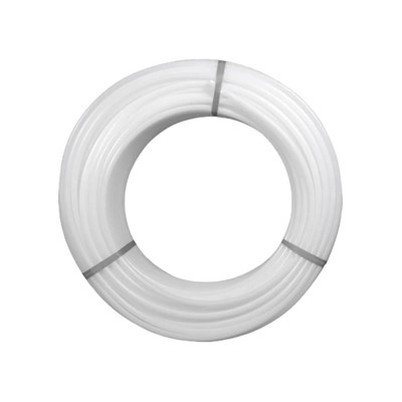
How to select the appropriate PE - Xa/EVOH Pipe based on the fluid type?
Leave a message

Hey there! As a supplier of PE-Xa/EVOH Pipe, I've seen firsthand how crucial it is to pick the right pipe for the specific fluid you're dealing with. In this blog, I'll share some tips on how to select the appropriate PE-Xa/EVOH Pipe based on the fluid type.
Understanding PE - Xa/EVOH Pipes
First off, let's talk a bit about what PE - Xa/EVOH pipes are. PE - Xa stands for cross - linked polyethylene type A. Cross - linking gives the pipe enhanced strength, durability, and resistance to high temperatures. EVOH, or ethylene - vinyl alcohol copolymer, is a great barrier material. It prevents oxygen from permeating through the pipe, which is super important in many fluid systems.
These pipes are used in a wide range of applications, from heating systems to potable water distribution. But the key to getting the most out of them is to match them with the right fluid.
Factors to Consider When Selecting Based on Fluid Type
1. Chemical Compatibility
The first thing you gotta check is if the fluid is chemically compatible with the PE - Xa/EVOH pipe. Different fluids have different chemical properties, and some can react with the pipe material. For example, acidic or alkaline fluids can break down the pipe over time if they're not compatible.
If you're dealing with a fluid that has a high acid content, like some industrial cleaning solutions, you need to make sure the pipe can withstand it. Most PE - Xa/EVOH pipes are resistant to a wide range of common chemicals, but it's always a good idea to check the technical specifications. Some manufacturers provide chemical compatibility charts that can help you determine if the pipe is suitable for your specific fluid.
2. Temperature
Temperature is another crucial factor. The fluid's temperature can affect the performance of the pipe. PE - Xa/EVOH pipes can handle a certain temperature range. For hot water systems, they can usually withstand temperatures up to around 95°C (203°F) for continuous use.
If you're using the pipe for a heating system where the fluid is constantly hot, make sure the pipe's temperature rating is high enough. On the other hand, if the fluid is very cold, like in a refrigeration system, the pipe needs to be able to remain flexible and not become brittle.
3. Pressure
The pressure of the fluid flowing through the pipe is also important. High - pressure fluids require pipes that can handle the stress. PE - Xa/EVOH pipes come in different pressure ratings. You need to know the maximum pressure of your fluid system and choose a pipe with a pressure rating that exceeds it.


For example, in a high - pressure industrial water supply system, a pipe with a higher pressure rating is necessary to prevent leaks or bursts. Check the manufacturer's data sheets to find out the pressure capabilities of the pipes.
4. Oxygen Barrier Requirements
As I mentioned earlier, EVOH in PE - Xa/EVOH pipes acts as an oxygen barrier. In some systems, like heating systems, it's crucial to prevent oxygen from getting into the fluid. Oxygen can cause corrosion in metal components of the system, reducing their lifespan.
If your fluid system has components that are sensitive to oxygen, such as copper pipes or steel radiators, you definitely want a PE - Xa/EVOH pipe with a good oxygen barrier. Make sure the pipe meets the required oxygen permeation standards for your application.
Specific Fluid Types and Pipe Selection
1. Potable Water
When it comes to potable water, safety is the top priority. You need a pipe that is approved for drinking water use. PE - Xa/EVOH pipes are often a great choice because they are non - toxic and don't leach harmful substances into the water.
Look for pipes that have been certified by relevant authorities, like NSF (National Sanitation Foundation) in the United States. These certifications ensure that the pipe meets the strict standards for potable water applications. The temperature and pressure requirements for potable water systems are usually not extremely high, so a standard - rated PE - Xa/EVOH pipe should work well.
2. Heating Systems
In heating systems, both temperature and oxygen barrier requirements are important. The fluid in a heating system is usually hot water or a water - glycol mixture. You need a pipe that can handle the high temperatures and prevent oxygen from entering the system.
Choose a PE - Xa/EVOH pipe with a high - temperature rating and a good oxygen barrier. These pipes are often used in radiant floor heating systems, where they need to transfer heat efficiently while maintaining the integrity of the system.
3. Industrial Fluids
Industrial fluids can be a bit more challenging. They can have a wide range of chemical compositions, temperatures, and pressures. If you're using the pipe for an industrial process, you need to do a detailed analysis of the fluid.
For example, in a chemical manufacturing plant, the fluid might be a highly corrosive acid. You'll need a pipe that is specifically designed to resist that acid. Contact the pipe manufacturer and provide them with detailed information about the fluid, including its chemical composition, temperature, and pressure. They can then recommend the most suitable pipe for your application.
4. Refrigeration Fluids
Refrigeration systems use cold fluids to cool the environment. The pipe in a refrigeration system needs to be able to withstand low temperatures without becoming brittle. PE - Xa/EVOH pipes can be a good option because they remain flexible at low temperatures.
However, make sure the pipe is compatible with the specific refrigeration fluid being used. Some refrigerants can have different chemical properties, so check the compatibility before making a decision.
Making the Right Choice
Selecting the appropriate PE - Xa/EVOH pipe based on the fluid type is not always easy, but it's essential for the long - term performance of your system. Here are some steps to help you make the right choice:
- Gather Information: Know everything you can about the fluid, including its chemical composition, temperature, pressure, and oxygen sensitivity.
- Research Pipe Options: Look at different PE - Xa/EVOH pipes available in the market. Compare their features, such as temperature and pressure ratings, oxygen barrier properties, and chemical compatibility.
- Consult the Manufacturer: Don't hesitate to reach out to the pipe manufacturer. They have the expertise and can provide you with the most accurate information and recommendations.
- Check Certifications: Make sure the pipe meets all the necessary standards and certifications for your application.
Conclusion
Choosing the right PE - Xa/EVOH pipe based on the fluid type is crucial for the success of your fluid system. By considering factors like chemical compatibility, temperature, pressure, and oxygen barrier requirements, you can ensure that the pipe performs well and lasts a long time.
If you're in the process of selecting a PE - Xa/EVOH pipe for your project, and you need more information or have any questions, feel free to contact us. We're here to help you find the perfect pipe for your specific fluid application. Let's work together to make your fluid system reliable and efficient.
References
- Manufacturer's technical data sheets for PE - Xa/EVOH pipes
- Industry standards for potable water, heating systems, and industrial fluid applications
- Research papers on the chemical and physical properties of PE - Xa/EVOH materials