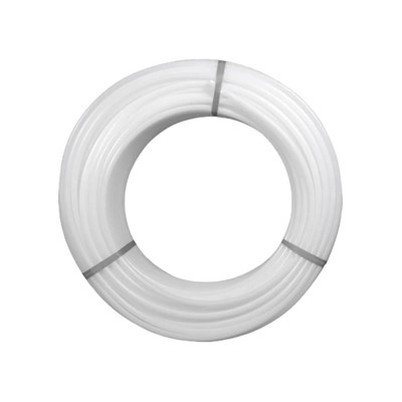
How to install water pex pipe in a RV?
Leave a message

Hey there, fellow RV enthusiasts! If you're looking to upgrade or install a water PEX pipe system in your RV, you've come to the right place. I'm a supplier of high - quality water PEX pipes, and I'm here to walk you through the process step by step.
Why Choose PEX Pipes for Your RV?
First off, let's talk about why PEX pipes are a great choice for your RV. PEX, or cross - linked polyethylene, is flexible, durable, and resistant to freezing and corrosion. Unlike traditional copper or PVC pipes, PEX pipes are easier to install, especially in the tight spaces of an RV. They can also handle a wide range of temperatures, making them suitable for all types of weather conditions.


Tools and Materials You'll Need
Before you start the installation, gather all the necessary tools and materials. Here's a list to get you started:
- PEX pipes: You can choose from different sizes depending on your RV's water system requirements. Check out our PE - Xa Pipe NSF for high - quality options.
- PEX fittings: These include elbows, tees, and couplings. The PPSU Tee is a great fitting option for your system.
- Crimp rings and a crimping tool: The crimping tool is used to secure the crimp rings onto the fittings and pipes.
- Measuring tape: To measure the length of the pipes you need.
- Pipe cutter: A sharp pipe cutter will ensure clean cuts.
- Drill and drill bits: In case you need to make holes for the pipes.
- Teflon tape: For sealing threaded connections.
Step 1: Plan Your Layout
The first step in installing a water PEX pipe system in your RV is to plan the layout. Take a look at your RV's existing water system and figure out where you want to install the new pipes. Consider the location of your water source, faucets, shower, and other water - using appliances. Make sure to measure the distances accurately and mark the spots where the pipes will run.
It's also important to think about the slope of the pipes. The pipes should be sloped slightly to allow for proper drainage. This will prevent water from pooling in the pipes and causing damage.
Step 2: Prepare the Pipes
Once you have your layout planned, it's time to prepare the pipes. Measure the lengths of the pipes you need using a measuring tape and mark the cuts. Then, use a pipe cutter to cut the pipes. Make sure the cuts are straight and clean.
After cutting the pipes, use a deburring tool to remove any rough edges. This will prevent the edges from damaging the O - rings in the fittings.
Step 3: Install the Fittings
Now it's time to install the fittings. Slide a crimp ring onto the end of the pipe, followed by the fitting. Make sure the pipe is fully inserted into the fitting. Then, use the crimping tool to crimp the ring onto the fitting. Place the crimping tool over the ring and squeeze the handles until the tool clicks. This indicates that the ring has been properly crimped.
Repeat this process for all the fittings and pipes in your system. You may need to use different types of fittings depending on the layout of your pipes. For example, if you need to change the direction of the pipe, use an elbow fitting. If you need to split the pipe into two directions, use a tee fitting.
Step 4: Mount the Pipes
Once all the fittings are installed, it's time to mount the pipes. You can use pipe clips or hangers to secure the pipes to the RV's frame or walls. Make sure the pipes are held firmly in place and are not sagging.
If you need to run the pipes through walls or floors, drill holes using a drill and the appropriate drill bits. Make sure the holes are large enough to accommodate the pipes and any insulation you may be using.
Step 5: Connect to the Water Source
After mounting the pipes, it's time to connect the system to the water source. This may involve connecting the pipes to the RV's water pump, water heater, or city water connection.
If you're connecting to a threaded connection, use Teflon tape to seal the threads. Wrap the tape around the threads in a clockwise direction and then screw the fitting onto the connection.
Step 6: Test the System
Once the installation is complete, it's time to test the system. Turn on the water and check for any leaks. Look for drips at the fittings, connections, and along the pipes. If you find any leaks, turn off the water and tighten the fittings or replace the O - rings if necessary.
Let the water run for a few minutes to flush out any debris in the pipes. You may also want to check the water pressure to make sure it's within the recommended range for your RV's water system.
Step 7: Insulate the Pipes
Finally, it's a good idea to insulate the pipes. This will help prevent the pipes from freezing in cold weather. You can use foam pipe insulation or heat tape to insulate the pipes. Wrap the insulation around the pipes and secure it with tape.
Tips and Tricks
- Always wear safety glasses when cutting and drilling the pipes to protect your eyes from debris.
- If you're not sure about any part of the installation process, consult a professional.
- Keep your tools organized and clean to make the installation process easier.
Conclusion
Installing a water PEX pipe system in your RV may seem like a daunting task, but with the right tools, materials, and a little bit of know - how, it can be a relatively straightforward process. By following these steps, you can ensure that your RV's water system is reliable and efficient.
If you're interested in purchasing high - quality water PEX pipes and fittings for your RV, we're here to help. We offer a wide range of products, including our PE - Xa Pipe Watermark. Contact us to start a purchase negotiation and get the best solutions for your RV's water system.
References
- RV Plumbing Handbook
- PEX Pipe Installation Guides