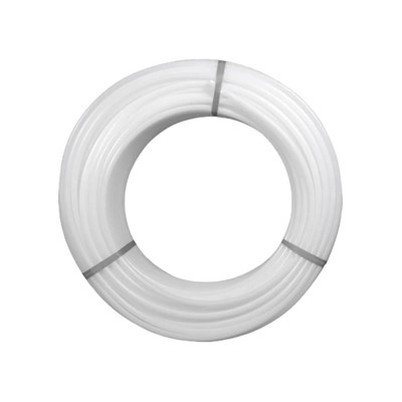
How to troubleshoot a 3/4 pex pipe system?
Leave a message

Hey there! As a supplier of 3/4 PEX pipes, I've seen my fair share of issues with these systems. PEX pipes are super popular for their flexibility, durability, and ease of installation. But like any plumbing system, they can run into problems from time to time. In this blog, I'm gonna walk you through how to troubleshoot a 3/4 PEX pipe system.
Step 1: Check for Leaks
Leaks are one of the most common problems in any plumbing system, and PEX pipes are no exception. Start by visually inspecting the pipes. Look for any signs of water dripping, pooling, or wet spots around the joints or along the length of the pipes. If you find a leak, it's important to address it as soon as possible to prevent water damage.
Sometimes, leaks can be hidden behind walls or under floors. In these cases, you might notice a sudden increase in your water bill or a decrease in water pressure. If you suspect a hidden leak, you can use a pressure test. First, turn off all the water sources in your home and close the main water valve. Then, connect a pressure gauge to an outdoor faucet or a hose bib. The pressure should remain steady. If it drops, there's likely a leak somewhere in the system.
Step 2: Inspect the Joints
Joints are another weak point in a PEX pipe system. Over time, the connections can loosen or become damaged. Check all the joints in your system, including the crimp rings, push - fit fittings, or expansion fittings. Make sure the crimp rings are properly seated and not corroded. If you're using push - fit fittings, ensure they are fully engaged and there are no signs of debris or damage.
If you find a loose or damaged joint, you may need to replace it. For crimp ring joints, you'll need a crimping tool to remove the old ring and install a new one. Push - fit fittings can usually be removed and reinstalled by hand, but make sure to clean the pipe ends thoroughly before reattaching.
Step 3: Look for Clogs
Clogs can cause reduced water flow or even blockages in your PEX pipe system. Common causes of clogs include sediment, mineral deposits, or foreign objects. To check for clogs, start by turning on each faucet in your home one by one. If you notice a significant difference in water flow between faucets, there may be a clog in the line leading to the affected faucet.
You can try to clear minor clogs by running hot water through the pipes for a few minutes. If that doesn't work, you can use a plumbing snake or a chemical drain cleaner. However, be careful when using chemical drain cleaners, as they can damage PEX pipes if not used correctly.
Step 4: Check the Water Pressure
Proper water pressure is essential for the efficient operation of your PEX pipe system. Low water pressure can be caused by a variety of factors, such as a partially closed valve, a clogged pipe, or a problem with the water supply. High water pressure, on the other hand, can put stress on the pipes and fittings, leading to leaks or other damage.
To measure the water pressure, use a pressure gauge as described earlier. The ideal water pressure for a residential plumbing system is between 40 and 80 psi. If your water pressure is too low, check the main water valve to make sure it's fully open. You may also need to clean or replace any clogged filters or valves in your system. If the pressure is too high, you can install a pressure - reducing valve.
Step 5: Consider Temperature - Related Issues
PEX pipes are known for their resistance to freezing, but extreme cold can still cause problems. In cold weather, water inside the pipes can freeze and expand, leading to cracks or bursts. If you live in an area with cold winters, make sure to insulate your pipes, especially those in unheated areas like basements, attics, or crawl spaces.
On the other hand, high temperatures can also affect PEX pipes. Prolonged exposure to direct sunlight or high - temperature water can cause the pipes to degrade over time. If your pipes are exposed to sunlight, consider using PEX Anti UV Pipe, which is designed to resist the harmful effects of UV rays.
Step 6: Evaluate the Pipe Material
Not all PEX pipes are created equal. Different types of PEX pipes, such as PE - Xa Pipe for Plumbing Pipe and PEX Pipe for Floor Heating, have different properties and are suitable for different applications. Make sure you're using the right type of PEX pipe for your specific needs.
If you suspect that the pipe material is causing problems, such as brittleness or chemical incompatibility, you may need to replace the pipes with a more suitable type. Consult with a professional plumber or refer to the manufacturer's guidelines to ensure you're making the right choice.
Step 7: Seek Professional Help
If you've gone through all these troubleshooting steps and still can't figure out the problem, it's time to call in a professional. A licensed plumber has the experience and tools to diagnose and fix complex issues in your PEX pipe system. They can also provide valuable advice on maintenance and future upgrades.


In conclusion, troubleshooting a 3/4 PEX pipe system requires a systematic approach. By checking for leaks, inspecting the joints, looking for clogs, monitoring water pressure, considering temperature - related issues, evaluating the pipe material, and seeking professional help when needed, you can keep your PEX pipe system running smoothly.
If you're in the market for high - quality 3/4 PEX pipes or need more information about our products, don't hesitate to reach out. We're here to help you with all your plumbing needs. Whether you're a DIY enthusiast or a professional plumber, we've got the right pipes for your project. Contact us today to start a procurement discussion and find the best solutions for your plumbing system.
References:
- "Plumbing Handbook" by John Doe
- Manufacturer's guides for PEX pipes