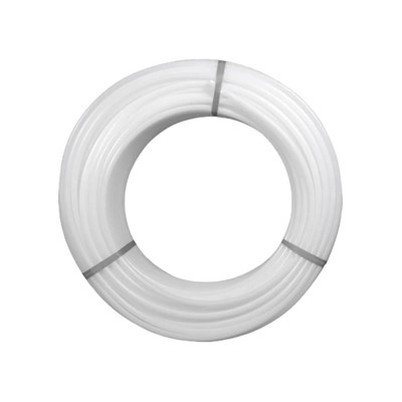
How to label a 16mm PEX pipe?
Leave a message

Properly labeling a 16mm PEX (Cross-linked Polyethylene) pipe is crucial for various reasons, from ensuring safety and compliance to facilitating efficient installation and maintenance. As a supplier of 16mm PEX pipes, I understand the significance of clear and accurate labeling. In this blog, I'll share comprehensive guidelines on how to label a 16mm PEX pipe effectively.
Understanding the Importance of Labeling
Before delving into the labeling process, it's essential to recognize why labeling is so important. Firstly, accurate labeling helps installers identify the pipe's specifications, such as its size, material type, and pressure rating. This information is vital for ensuring that the pipe is used in the appropriate application and meets the required standards.
Secondly, labeling enhances safety by providing clear instructions on installation, handling, and maintenance. For example, labels can indicate the maximum operating temperature and pressure, as well as any special requirements or precautions. This helps prevent accidents and ensures the long-term performance of the plumbing system.
Finally, proper labeling is often required by building codes and regulations. Compliance with these standards is essential for obtaining permits and ensuring that the plumbing system is safe and reliable.

Required Information on the Label
When labeling a 16mm PEX pipe, certain information must be included to ensure clarity and compliance. Here are the key details that should be present on the label:
1. Pipe Size
The label should clearly indicate the nominal size of the pipe, which in this case is 16mm. This information helps installers select the correct fittings and ensure a proper fit.
2. Material Type
PEX pipes come in different types, such as PE-Xa, PE-Xb, and PE-Xc. The label should specify the type of PEX material used in the pipe. For example, if it's a PE-Xa Pipe for Plumbing Pipe, the label should clearly state "PE-Xa".
3. Pressure Rating
The pressure rating indicates the maximum pressure that the pipe can safely withstand. This information is crucial for determining the suitability of the pipe for a particular application. The label should display the pressure rating in appropriate units, such as bars or psi.
4. Temperature Rating
Similar to the pressure rating, the temperature rating specifies the maximum and minimum temperatures at which the pipe can be used. This helps prevent damage to the pipe due to extreme temperatures. The label should indicate the temperature range in degrees Celsius or Fahrenheit.
5. Standards Compliance
The label should state the relevant standards that the pipe complies with. For example, PE-Xa Pipe ISO15875 complies with the ISO 15875 standard. This information provides assurance to installers and end-users that the pipe meets the required quality and safety standards.

6. Manufacturer Information
The label should include the name and contact information of the manufacturer. This allows installers and end-users to reach out to the manufacturer for further information or support.
7. Installation Instructions
Clear installation instructions should be provided on the label or in accompanying documentation. These instructions should cover topics such as pipe cutting, joining methods, and support requirements.
Labeling Methods
There are several methods for labeling 16mm PEX pipes, each with its own advantages and disadvantages. Here are some common labeling methods:
1. Printed Labels
Printed labels are a popular choice for labeling PEX pipes. They can be pre-printed with all the required information and applied directly to the pipe surface. Printed labels are available in various sizes and materials, such as paper, vinyl, or polyester. They offer high durability and resistance to water, chemicals, and abrasion.

2. Embossed Labels
Embossed labels are created by pressing the label information into the pipe surface. This method provides a permanent and highly visible label that is resistant to fading and wear. Embossed labels are typically used for high-quality pipes and applications where long-term durability is required.

3. Laser Marking
Laser marking is a precise and permanent labeling method that uses a laser beam to engrave the label information onto the pipe surface. Laser marking offers high accuracy and readability, and it is suitable for a wide range of pipe materials. However, it can be more expensive than other labeling methods.
4. Inkjet Printing
Inkjet printing is a cost-effective and flexible labeling method that uses an inkjet printer to apply the label information onto the pipe surface. Inkjet printing allows for variable data printing, such as batch numbers and serial numbers, and it can be easily customized to meet specific requirements.
Best Practices for Labeling
To ensure the effectiveness and durability of the labels, it's important to follow some best practices during the labeling process. Here are some tips:
1. Clean the Pipe Surface
Before applying the label, make sure the pipe surface is clean and free of dirt, grease, and other contaminants. This will ensure good adhesion and prevent the label from peeling off.
2. Apply the Label Properly
Follow the manufacturer's instructions for applying the label. Make sure the label is centered and aligned correctly on the pipe surface. Smooth out any air bubbles or wrinkles to ensure a flat and uniform label.
3. Use High-Quality Labels
Invest in high-quality labels that are designed for use on PEX pipes. These labels should be resistant to water, chemicals, and abrasion, and they should have good adhesion properties.
4. Test the Labels
Before applying the labels to a large batch of pipes, test the labels on a few sample pipes to ensure that they adhere properly and are legible. This will help you identify any potential issues and make any necessary adjustments.
5. Store the Labels Properly
Store the labels in a cool, dry place to prevent them from deteriorating. Avoid exposing the labels to direct sunlight, heat, or moisture, as this can affect their adhesion and readability.
Conclusion
Properly labeling a 16mm PEX pipe is essential for ensuring safety, compliance, and efficient installation. By including all the required information on the label and using the appropriate labeling method, you can provide clear and accurate information to installers and end-users. As a supplier of PEX Pipe for Water Supply, I am committed to providing high-quality pipes with clear and durable labels. If you have any questions or need further information about our 16mm PEX pipes or labeling requirements, please feel free to contact us to discuss your procurement needs.
References
- International Organization for Standardization (ISO). ISO 15875:2016. Plastics piping systems for hot and cold water installations - Cross-linked polyethylene (PE-X) - Specifications.
- American Society for Testing and Materials (ASTM). ASTM F876:17. Standard Specification for Crosslinked Polyethylene (PEX) Tubing.
- European Committee for Standardization (CEN). EN 12813:2004. Plastics piping systems for hot and cold water installations - Crosslinked polyethylene (PE-X) - Requirements for pipes.