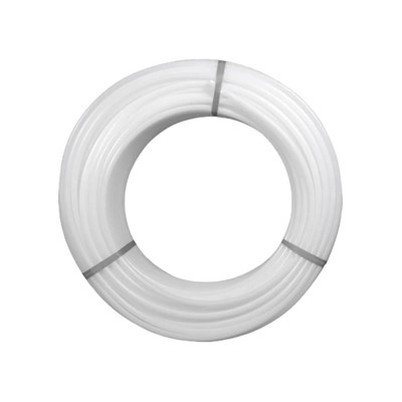
Can a 2 inch PEX pipe be used in a compressed air system?
Leave a message

Hey there! As a supplier of 2 inch PEX pipes, I often get asked whether these pipes can be used in a compressed air system. It's a valid question, and today, I'm gonna dive deep into this topic to give you a clear answer.
First off, let's understand what PEX pipes are. PEX stands for cross - linked polyethylene. These pipes have been around for a while and are well - known in the plumbing industry. They're flexible, easy to install, and resistant to corrosion. Our 2 inch PEX pipes are no exception. They've got great features like being lightweight, which makes handling them a breeze during installation.
Now, onto the big question: can they be used in a compressed air system? Well, it's not a straightforward yes or no.
Advantages of Using 2 Inch PEX Pipes in Compressed Air Systems
Flexibility
One of the major perks of our 2 inch PEX pipes is their flexibility. In a compressed air system, you might need to route the pipes around various obstacles. With PEX pipes, you can easily bend them without having to use a whole bunch of fittings. This not only makes the installation process quicker but also reduces the number of potential leak points. For example, if you're setting up a compressed air system in a factory with lots of machinery, you can snake the PEX pipes around the equipment without too much hassle.
Corrosion Resistance
Compressed air systems can sometimes be exposed to moisture, which can lead to corrosion in metal pipes. Our PEX pipes, however, are highly resistant to corrosion. This means that they'll last longer in a compressed air system compared to traditional metal pipes. You won't have to worry about rust or other forms of corrosion clogging up your pipes or reducing the efficiency of your system.
Cost - Effective
When it comes to cost, 2 inch PEX pipes are a great option. They're generally less expensive than some of the other materials used in compressed air systems, like stainless steel or copper. And since they're easy to install, you'll also save on labor costs. This makes them an attractive choice for both small - scale and large - scale compressed air system installations.
Disadvantages and Considerations
Temperature Limitations
PEX pipes do have some temperature limitations. In a compressed air system, the temperature of the air can vary depending on the compressor and the environment. If the air gets too hot, it can cause the PEX pipes to soften or even deform. Most 2 inch PEX pipes have a maximum operating temperature of around 180°F (82°C). So, if your compressed air system runs at higher temperatures, you might run into problems.
Pressure Ratings
Another important factor to consider is the pressure rating. Compressed air systems operate at different pressures, and you need to make sure that the 2 inch PEX pipes can handle the pressure. Our PEX pipes are rated for a certain pressure, and you need to check if this rating is suitable for your specific compressed air system. If the pressure is too high, it can lead to pipe failure, which can be dangerous and costly.
Compatibility with Lubricants
Some compressed air systems use lubricants to reduce friction in the compressor. These lubricants can sometimes react with the PEX material. Before using our 2 inch PEX pipes in a compressed air system that uses lubricants, you need to test the compatibility to avoid any degradation of the pipes.
Applications Where 2 Inch PEX Pipes Can Work Well
Low - Pressure and Low - Temperature Systems
If your compressed air system operates at relatively low pressures (say, below 100 psi) and low temperatures (below the maximum operating temperature of the PEX pipes), then 2 inch PEX pipes can be a great choice. For example, in a small woodworking shop where the compressed air is mainly used for operating pneumatic tools like nail guns, the pressure and temperature requirements are usually not very high. Our PEX pipes can handle this kind of application without any issues.

Temporary Installations
For temporary compressed air system installations, such as at a construction site for a short - term project, 2 inch PEX pipes are a practical option. Their flexibility and ease of installation make them ideal for quick set - ups. And when the project is over, they can be easily removed and reused if needed.
Other PEX Products We Offer
Apart from our 2 inch PEX pipes, we also offer a range of other PEX products. Check out our PPSU Tee, which is a great fitting for connecting different sections of PEX pipes. It's made from high - quality materials and is designed to ensure a secure and leak - free connection.
We also have PEX Anti UV Pipe. If your compressed air system is going to be installed outdoors, this pipe is a must - have. It's resistant to UV rays, which means it won't degrade as quickly when exposed to sunlight.

And of course, we've got PEX Pipe for Water Supply. While this is mainly for water applications, it shows our expertise in manufacturing high - quality PEX products.
Making the Decision
So, should you use a 2 inch PEX pipe in your compressed air system? It really depends on your specific requirements. If you've got a low - pressure, low - temperature system, or a temporary installation, then our 2 inch PEX pipes could be a great fit. But if you've got a high - pressure, high - temperature system or are using lubricants that might not be compatible with PEX, you might want to consider other options.
If you're still not sure, don't hesitate to reach out to us. We've got a team of experts who can help you determine if our 2 inch PEX pipes are right for your compressed air system. We can also provide you with more information about our other PEX products. Whether you're a DIY enthusiast setting up a small workshop or a professional contractor working on a large - scale project, we're here to assist you. Contact us today to start the conversation about your PEX pipe needs for your compressed air system.
References
- "Handbook of Piping Design" by George A. Antonoplos
- "Compressed Air Systems: Selection, Installation, and Maintenance" by the Compressed Air and Gas Institute