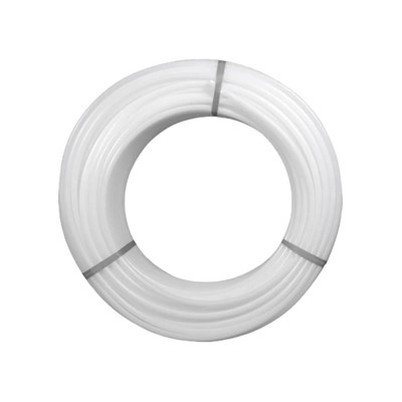
How to install PERT Tube in a confined space?
Leave a message

Installing PERT (Polyethylene Raised Temperature) tubes in a confined space can be a challenging yet rewarding task. As a PERT Tube supplier, I've witnessed firsthand the importance of proper installation techniques to ensure the longevity and efficiency of these systems. In this blog post, I'll share some valuable insights and step-by-step guidelines on how to install PERT tubes in a confined space effectively.
Understanding PERT Tube
Before diving into the installation process, it's crucial to understand what PERT tubes are and why they are a popular choice for various applications. PERT tubes are made from a special type of polyethylene that has enhanced heat resistance and flexibility compared to traditional polyethylene pipes. They are commonly used in heating systems, such as underfloor heating, as well as in plumbing and cooling applications.
The benefits of using PERT tubes include:


- Flexibility: PERT tubes can be easily bent and shaped without the need for additional fittings, making them ideal for use in confined spaces.
- Corrosion Resistance: They are highly resistant to corrosion, which ensures a long service life and reduces the risk of leaks.
- Energy Efficiency: PERT tubes have excellent thermal insulation properties, which helps to reduce energy consumption and lower heating costs.
- Easy Installation: Their lightweight and flexible nature make them easy to handle and install, even in tight spaces.
You can learn more about PERT tubes by visiting our website: PERT Tube
Preparing for Installation
Before starting the installation process, it's essential to prepare the work area and gather all the necessary tools and materials. Here are some steps to follow:
- Measure the Space: Carefully measure the dimensions of the confined space where the PERT tubes will be installed. This will help you determine the length and quantity of tubes required.
- Plan the Layout: Create a detailed layout of the tube installation, taking into account the location of fixtures, valves, and other components. This will ensure a smooth and efficient installation process.
- Gather Tools and Materials: Collect all the necessary tools and materials, including PERT tubes, fittings, connectors, a pipe cutter, a soldering iron (if required), and a pressure testing kit.
- Clean the Work Area: Remove any debris, dirt, or obstacles from the work area to ensure a clean and safe installation environment.
- Check for Obstructions: Inspect the confined space for any obstructions, such as pipes, cables, or structural elements, that may interfere with the installation process. If necessary, make arrangements to relocate or modify these obstructions.
Step-by-Step Installation Process
Once you have completed the preparation phase, you can proceed with the installation of the PERT tubes. Here is a step-by-step guide to help you through the process:
- Cut the Tubes: Use a pipe cutter to cut the PERT tubes to the required length. Make sure to cut the tubes straight and cleanly to ensure a proper fit.
- Prepare the Fittings: If required, prepare the fittings by cleaning the ends of the tubes and applying a suitable adhesive or soldering them together. Follow the manufacturer's instructions carefully to ensure a secure and leak-free connection.
- Install the Tubes: Start by installing the main supply tubes, following the planned layout. Use appropriate connectors and fittings to join the tubes together, ensuring a tight and secure fit. Make sure to leave enough slack in the tubes to allow for expansion and contraction.
- Route the Tubes: Carefully route the tubes through the confined space, avoiding sharp bends and kinks. Use pipe clips or brackets to secure the tubes in place at regular intervals, ensuring they are properly supported.
- Connect the Fixtures: Once the main supply tubes are installed, connect the fixtures, such as radiators, valves, and faucets, to the tubes using the appropriate fittings. Make sure to tighten the connections securely to prevent leaks.
- Test the System: After the installation is complete, test the system for leaks and proper operation. Use a pressure testing kit to pressurize the system and check for any signs of leakage. If any leaks are detected, make the necessary repairs before proceeding.
- Insulate the Tubes: To improve energy efficiency and prevent heat loss, insulate the PERT tubes using a suitable insulation material. This will also help to reduce noise and vibration.
- Final Checks: Once the system has been tested and insulated, perform a final check to ensure everything is in place and functioning properly. Make any necessary adjustments or repairs as needed.
Tips for Installing PERT Tubes in a Confined Space
Installing PERT tubes in a confined space can be challenging, but with the right approach and techniques, it can be done successfully. Here are some tips to help you overcome common challenges and ensure a smooth installation process:
- Use Flexible Tubes: PERT tubes are known for their flexibility, which makes them ideal for use in confined spaces. Take advantage of this feature by using flexible tubes to navigate around obstacles and tight corners.
- Plan Ahead: Before starting the installation, carefully plan the layout of the tubes and the location of fixtures and fittings. This will help you avoid any last-minute changes or adjustments, saving you time and effort.
- Use the Right Tools: Make sure to use the right tools for the job, including a pipe cutter, a soldering iron (if required), and a pressure testing kit. Using the wrong tools can damage the tubes and fittings, leading to leaks and other problems.
- Take Your Time: Installing PERT tubes in a confined space requires patience and precision. Take your time to ensure everything is installed correctly and securely, and don't rush the process.
- Seek Professional Help: If you're unsure about any aspect of the installation process, or if you encounter any difficulties, don't hesitate to seek professional help. A qualified plumber or heating engineer can provide valuable advice and assistance to ensure a successful installation.
Conclusion
Installing PERT tubes in a confined space requires careful planning, preparation, and execution. By following the steps outlined in this blog post and using the tips and techniques provided, you can ensure a successful installation that will provide reliable and efficient performance for years to come.
As a PERT Tube supplier, we are committed to providing high-quality products and excellent customer service. If you have any questions or need further assistance with your PERT tube installation, please don't hesitate to contact us. We would be happy to help you with your project and discuss your specific requirements.
References
- "PERT Pipe Installation Guide," Manufacturer's Manual
- "Plumbing and Heating Systems: A Comprehensive Guide," Industry Publication