

Can pex - a pipes be used in a wastewater treatment plant plumbing system?
Leave a message

As a supplier of PEX - A pipes, I've often been asked about the suitability of these pipes for various applications, especially in wastewater treatment plant plumbing systems. In this blog, I'll delve into the characteristics of PEX - A pipes and analyze whether they can be effectively used in such demanding environments.
Understanding PEX - A Pipes
PEX - A, or cross - linked polyethylene type A, is a high - performance plastic pipe material. It is created through a process called the Peroxide method, which results in a highly cross - linked molecular structure. This structure gives PEX - A pipes several unique properties.
Flexibility
One of the most notable features of PEX - A pipes is their exceptional flexibility. Unlike rigid pipes such as PVC or metal pipes, PEX - A pipes can be bent around corners without the need for additional fittings in many cases. This flexibility simplifies the installation process, reduces the number of joints, and minimizes the potential for leaks. For example, in a complex wastewater treatment plant layout, where pipes need to navigate around various equipment and structures, the ability to bend the pipes on - site can save a significant amount of time and labor costs.
Chemical Resistance
Wastewater contains a wide range of chemicals, including acids, alkalis, and various organic compounds. PEX - A pipes have good chemical resistance, which means they can withstand exposure to many of these substances without significant degradation. This is crucial in a wastewater treatment plant, where the pipes are constantly in contact with corrosive wastewater. However, it's important to note that the chemical resistance of PEX - A pipes may vary depending on the specific chemicals present and their concentrations. For instance, some strong oxidizing agents may have a more severe impact on the pipes over time.
Durability
PEX - A pipes are known for their long - term durability. They can resist the effects of aging, such as embrittlement and cracking, better than many other pipe materials. This durability is essential in a wastewater treatment plant, where the pipes are expected to have a long service life without frequent replacements. The cross - linked structure of PEX - A pipes also provides excellent resistance to pressure fluctuations, which are common in wastewater treatment systems due to the operation of pumps and valves.
Thermal Resistance
In a wastewater treatment plant, the temperature of the wastewater can vary. PEX - A pipes have good thermal resistance, allowing them to maintain their mechanical properties over a relatively wide temperature range. This means they can handle both cold and warm wastewater without significant deformation or loss of strength.
Advantages of Using PEX - A Pipes in Wastewater Treatment Plants
Ease of Installation
As mentioned earlier, the flexibility of PEX - A pipes makes installation much easier compared to traditional rigid pipes. In a wastewater treatment plant, where there are often tight spaces and complex piping routes, this can be a major advantage. Fewer joints also mean less potential for leaks, which can reduce maintenance requirements and prevent environmental contamination.
Cost - Effectiveness
The combination of lower installation costs (due to easier installation and fewer fittings) and long - term durability can make PEX - A pipes a cost - effective choice for wastewater treatment plants. Over the life cycle of the pipes, the savings in labor, materials, and maintenance can be substantial.
Resistance to Scaling and Fouling
Wastewater often contains suspended solids and minerals that can cause scaling and fouling inside pipes. PEX - A pipes have a smooth inner surface, which reduces the adhesion of these substances. This helps to maintain the flow capacity of the pipes and reduces the need for frequent cleaning and maintenance.
Potential Challenges and Considerations
Oxygen Permeation
One potential drawback of PEX - A pipes is their relatively high oxygen permeation rate. In a wastewater treatment plant, oxygen permeation can lead to the growth of aerobic bacteria inside the pipes, which may cause biofouling and corrosion of metal components in the system. To mitigate this issue, oxygen - barrier PEX - A pipes can be used. These pipes have an additional layer that reduces the oxygen permeation rate.
Compatibility with Existing Systems
When considering using PEX - A pipes in an existing wastewater treatment plant, compatibility with the existing plumbing system needs to be carefully evaluated. This includes ensuring that the fittings and connections are compatible and that the new pipes can be integrated smoothly with the existing infrastructure.
Regulatory Requirements
Wastewater treatment plants are subject to various regulatory requirements regarding the materials used in the plumbing system. It's essential to ensure that PEX - A pipes meet all relevant standards and regulations. This may involve obtaining appropriate certifications and approvals from regulatory authorities.
Applications in Wastewater Treatment Plants
Inlet and Outlet Piping
PEX - A pipes can be used for the inlet and outlet piping of a wastewater treatment plant. Their flexibility and chemical resistance make them suitable for transporting raw wastewater into the plant and treated water out of the plant. For example, the inlet pipes need to withstand the initial load of untreated wastewater, which may contain high concentrations of contaminants. The outlet pipes, on the other hand, need to be able to handle the treated water, which may still have some residual chemicals.
Internal Piping within the Treatment Process
Inside the treatment plant, PEX - A pipes can be used for various internal piping applications, such as connecting different treatment units, transporting chemicals for treatment processes, and distributing water within the plant. Their ability to resist chemicals and pressure fluctuations makes them a viable option for these applications.

Related Products
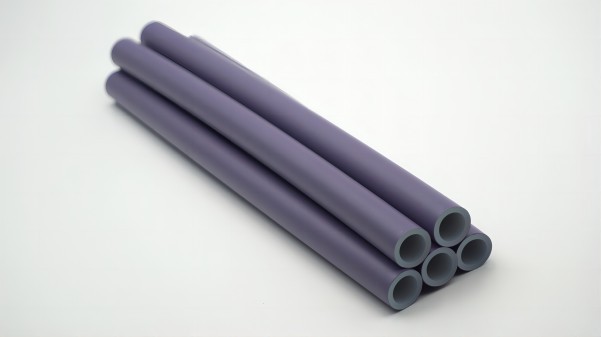
In addition to standard PEX - A pipes, there are several related products that can be used in conjunction with them in a wastewater treatment plant plumbing system. For example, the PEX Anti UV Pipe is designed to resist the damaging effects of ultraviolet radiation, which can be useful if the pipes are exposed to sunlight during installation or in outdoor parts of the plant. The Ppsu Elbow 90° provides a reliable and durable fitting for making 90 - degree turns in the piping system. And the PE - Xa Pipe for Plumbing Pipe is specifically engineered for plumbing applications, offering excellent performance and reliability.
Conclusion
In conclusion, PEX - A pipes have many advantages that make them a viable option for use in a wastewater treatment plant plumbing system. Their flexibility, chemical resistance, durability, and cost - effectiveness are significant benefits. However, there are also some potential challenges, such as oxygen permeation and compatibility issues, that need to be carefully considered. With proper planning and the use of appropriate products, PEX - A pipes can play an important role in the efficient and reliable operation of a wastewater treatment plant.
If you're interested in exploring the use of PEX - A pipes for your wastewater treatment plant plumbing system, I encourage you to contact me for further information and to discuss your specific requirements. I'm here to help you make the best decision for your project.
References
- "Handbook of Plastic Pipes: Materials, Properties, and Applications" by B. M. M. Abusharkh and A. Al - Qadi
- "Wastewater Treatment Plant Design" by WEF and ASCE
- Technical literature from PEX - A pipe manufacturers


