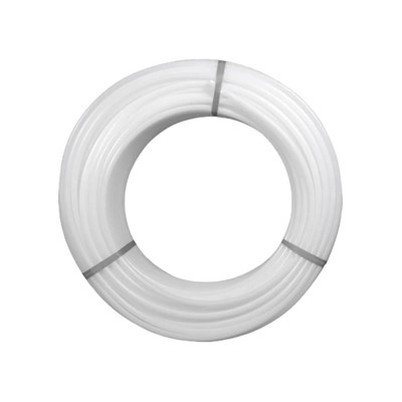
How to ensure the correct installation angle of PERT Pipe?
Leave a message

Hey there! As a PERT Pipe supplier, I've seen firsthand how crucial it is to get the installation angle of PERT pipes right. A proper installation angle not only ensures the efficient operation of the plumbing system but also extends the lifespan of the pipes. In this blog, I'll share some tips on how to ensure the correct installation angle of PERT pipes.
Why the Installation Angle Matters
Before we dive into the how - to, let's talk about why the installation angle is so important. PERT pipes are often used for hot and cold water supply systems, floor heating systems, and more. The angle at which these pipes are installed can affect the flow of water or other fluids within them.


If the pipes are installed at an incorrect angle, it can lead to poor water circulation. For example, in a floor heating system, uneven water flow due to a wrong angle might result in some areas of the floor being warmer than others. Also, incorrect angles can cause water to accumulate in certain parts of the pipes, which may lead to corrosion and blockages over time.
Tools You'll Need
To ensure the correct installation angle of PERT pipes, you'll need a few essential tools:
- Level: A good quality level is a must - have. It helps you determine if the pipe is perfectly horizontal or at the desired slope. You can choose between a traditional bubble level or a digital level for more accurate readings.
- Protractor: This tool is useful when you need to install the pipes at a specific angle. It allows you to measure and set the angle precisely.
- Marking Tools: Such as chalk or a marker, to mark the position and angle on the wall or floor where the pipes will be installed.
Pre - installation Planning
The first step in ensuring the correct installation angle is proper planning. Here's what you need to do:
Understand the System Requirements
Different applications have different requirements for pipe installation angles. For instance, in a gravity - fed water supply system, the pipes need to have a slight downward slope to allow water to flow freely. In a floor heating system, the pipes are usually installed in a serpentine pattern with a relatively flat angle to ensure even heat distribution.
Check the Building Structure
The structure of the building can also affect the installation angle. You need to check for any obstacles, such as beams or columns, that might interfere with the pipe installation. Make sure there is enough space to install the pipes at the correct angle without any restrictions.
Create a Layout Plan
Draw a detailed layout plan of the pipe system on paper. Mark the starting and ending points of the pipes, as well as any bends or connections. Indicate the desired angles at each section of the pipe. This plan will serve as a guide during the installation process.
Measuring and Marking the Angle
Once you have your plan ready, it's time to measure and mark the angle on the installation surface.
Using a Level
If you need to install the pipe horizontally, place the level on the surface where the pipe will be installed. Adjust the surface until the bubble in the level is centered, indicating that it is perfectly horizontal. Then, use a marking tool to draw a straight line along the edge of the level. This line will serve as a guide for installing the pipe.
Using a Protractor
When you need to install the pipe at a specific angle, place the protractor on the surface. Align the base of the protractor with the reference line (such as a wall or a floor joist). Then, set the protractor to the desired angle and mark the angle on the surface using a marking tool.
Installing the PERT Pipes
Now that you have marked the correct angle, it's time to install the PERT pipes.
Cutting the Pipes
Use a pipe cutter to cut the PERT pipes to the required length. Make sure the cuts are straight and clean. You can use a deburring tool to remove any sharp edges or burrs from the cut ends of the pipes.
Connecting the Pipes
There are different methods for connecting PERT pipes, such as using compression fittings or heat - fusion connections. Follow the manufacturer's instructions carefully when making the connections. Ensure that the pipes are properly aligned at the connection points to maintain the correct angle.
Securing the Pipes
Use pipe clips or hangers to secure the pipes in place. Make sure the clips or hangers are installed at regular intervals to prevent the pipes from sagging or moving out of position. Adjust the clips or hangers as needed to keep the pipes at the correct angle.
Checking and Adjusting the Angle
After installing the pipes, it's important to check the angle again to make sure everything is correct.
Visual Inspection
Take a close look at the installed pipes. Check if they follow the marked lines and angles. Look for any signs of unevenness or misalignment.
Use Measuring Tools Again
Use the level and protractor to double - check the angle of the pipes. Make any necessary adjustments by loosening the pipe clips or hangers and re - positioning the pipes.
Common Mistakes to Avoid
Ignoring the Manufacturer's Instructions
Each type of PERT pipe may have specific installation requirements. Always read and follow the manufacturer's instructions regarding installation angles and procedures.
Over - tightening the Connections
When connecting the pipes, be careful not to over - tighten the fittings. This can cause the pipes to deform, which may affect the installation angle and the overall performance of the system.
Not Allowing for Expansion and Contraction
PERT pipes can expand and contract with changes in temperature. Make sure to leave enough space for the pipes to move freely without being restricted. Otherwise, it may cause the pipes to bend or break, leading to an incorrect installation angle.
Conclusion
Ensuring the correct installation angle of PERT pipes is essential for the proper functioning of the plumbing system. By following the steps outlined in this blog, you can install the pipes at the right angle and avoid common mistakes. Remember, a well - installed pipe system not only provides better performance but also saves you time and money in the long run.
If you're in the market for high - quality PERT Tube, look no further. As a reliable PERT Pipe supplier, we offer a wide range of PERT pipes that meet the highest standards. Whether you're working on a small residential project or a large commercial one, we have the right products for you. If you have any questions or want to discuss your procurement needs, feel free to reach out to us. We're here to help you with your pipe installation projects.
References
- Plumbing Installation Manuals from PERT Pipe Manufacturers
- Building Codes and Standards related to Pipe Installation
- Professional Plumbing Journals and Magazines