What is the color coding of PEX - AL - PERT Pipe?
Leave a message

What is the color coding of PEX - AL - PERT Pipe?
As a supplier of PEX-AL-PERT Pipe, I've encountered numerous inquiries regarding the color coding of these pipes. Understanding the color coding is essential for various stakeholders, including installers, contractors, and end - users. In this blog, I'll delve into the details of PEX - AL - PERT pipe color coding, its significance, and how it impacts different applications.
Understanding PEX - AL - PERT Pipes
Before we discuss color coding, let's briefly understand what PEX - AL - PERT pipes are. PEX - AL - PERT is a multilayer composite pipe. It combines the advantages of cross - linked polyethylene (PEX), aluminum (AL), and polyethylene - raised temperature resistance (PERT). The aluminum layer provides excellent oxygen barrier properties, preventing corrosion in the heating system and enhancing the pipe's structural stability. The PEX and PERT layers offer flexibility, chemical resistance, and long - term durability.
The Purpose of Color Coding
Color coding in PEX - AL - PERT pipes serves multiple purposes. Firstly, it simplifies the installation process. Installers can quickly identify the type of fluid (hot or cold water, for example) that the pipe is intended to carry. This reduces the chances of incorrect installation, which could lead to system inefficiencies or even failures. Secondly, color coding aids in system maintenance and troubleshooting. Maintenance personnel can easily distinguish between different pipes in a complex plumbing or heating system, making it easier to locate and repair any issues.
Common Color Coding Standards
There isn't a single, universal color coding standard for PEX - AL - PERT pipes. However, some common practices have emerged in the industry.
Red and Blue
One of the most widely recognized color combinations is red for hot water and blue for cold water. This color - coding convention is intuitive and is used in many plumbing systems around the world. When installing a domestic hot and cold water supply system, installers can use red PEX - AL - PERT pipes for the hot water lines and blue pipes for the cold water lines. This makes it clear at a glance which pipes are carrying hot water and which are carrying cold water, reducing the risk of mix - ups during installation and maintenance.
Green
Green - colored PEX - AL - PERT pipes are often used for hydronic heating systems. Hydronic heating systems use water as a heat - transfer medium to provide space heating. The green color helps to identify these pipes as part of the heating system, distinguishing them from the domestic water supply pipes. In a large building with multiple plumbing and heating systems, the green color coding makes it easier for technicians to locate and work on the hydronic heating pipes.
White
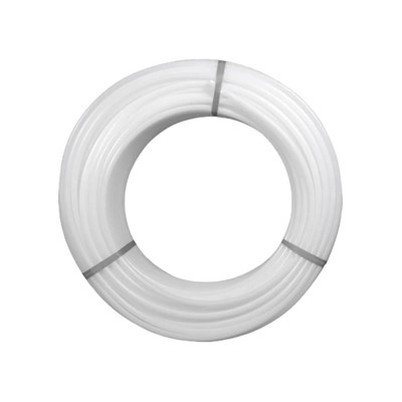
White PEX - AL - PERT pipes are sometimes used for general - purpose applications where the fluid being carried is not strictly hot or cold water. For example, they can be used for transporting other non - corrosive fluids in industrial or commercial settings. White pipes are also a neutral option that can be used in situations where the specific fluid type is not critical or where the system design allows for more flexibility.
Factors Influencing Color Coding
Several factors can influence the color coding of PEX - AL - PERT pipes.
Regional Standards
Different regions may have their own standards or preferences for pipe color coding. In some countries, local building codes may specify certain colors for different types of pipes. For example, a particular region may require a specific color for pipes used in solar heating systems. As a supplier, we need to be aware of these regional differences and ensure that we can provide pipes with the appropriate color coding to meet the local requirements.


Manufacturer's Practices
Some manufacturers may have their own unique color - coding systems. These systems may be based on the company's internal product classification or marketing strategies. For example, a manufacturer may use a specific shade of a color to differentiate between different grades or thicknesses of PEX - AL - PERT pipes. When working with different manufacturers, installers and contractors need to familiarize themselves with the specific color - coding schemes used by each manufacturer.
Importance of Correct Color Coding in Different Applications
Residential Plumbing
In residential plumbing systems, correct color coding is crucial for both the initial installation and future maintenance. Homeowners may need to perform minor repairs or modifications to their plumbing systems over time. If the pipes are color - coded correctly, it becomes easier for them to understand which pipes are carrying hot water and which are carrying cold water. This can prevent mistakes such as connecting a hot - water appliance to a cold - water pipe, which could lead to poor performance or damage to the appliance.
Commercial and Industrial Plumbing
In commercial and industrial settings, plumbing systems are often more complex. There may be multiple types of fluids being transported, including water, chemicals, and refrigerants. Correct color coding of PEX - AL - PERT pipes in these environments is essential for safety and efficiency. For example, in a chemical processing plant, color - coding can help prevent the accidental mixing of different chemicals, which could lead to dangerous reactions. In an industrial heating and cooling system, color - coding allows technicians to quickly identify and service the relevant pipes, minimizing downtime.
Challenges with Color Coding
Despite the benefits of color coding, there are some challenges associated with it.
Fading and Discoloration
Over time, the color of PEX - AL - PERT pipes can fade or discolor due to exposure to sunlight, chemicals, or high temperatures. This can make it difficult to accurately identify the pipes based on their color. To address this issue, some manufacturers use high - quality pigments and UV - resistant coatings to ensure that the color remains vibrant for a longer period. However, in harsh environments, fading may still occur, and installers and maintenance personnel need to be aware of this possibility.
Misinterpretation
There can be instances where the color coding is misinterpreted. For example, in a system where the color - coding convention is not well - established or where there are multiple color - coding systems in use, there may be confusion among installers and technicians. To mitigate this risk, clear documentation and training should be provided to all personnel involved in the installation, operation, and maintenance of the plumbing or heating system.
Conclusion
In conclusion, the color coding of PEX - AL - PERT pipes plays a vital role in the installation, maintenance, and safety of plumbing and heating systems. While there is no one - size - fits - all color - coding standard, the common practices of using red for hot water, blue for cold water, green for hydronic heating, and white for general - purpose applications are widely recognized. As a supplier of PEX - AL - PERT Pipe, we are committed to providing pipes with clear and consistent color coding to meet the diverse needs of our customers.
If you are in the market for high - quality PEX - AL - PERT pipes with appropriate color coding, we invite you to reach out to us for procurement and further discussions. Our team of experts is ready to assist you in selecting the right pipes for your specific application.
References
- Smith, J. (2020). Plumbing System Design and Installation. Plumbing Press.
- Johnson, A. (2019). Guide to Multilayer Composite Pipes. Pipe Technology Publishers.