How to connect PERT Pipe joints?
Leave a message

Hey there! I'm [Name], and I'm part of a PERT Pipe supplier team. Today, I'm stoked to share with you all about how to connect PERT Pipe joints. Whether you're a DIY enthusiast or a professional plumber, getting these connections right is super important.
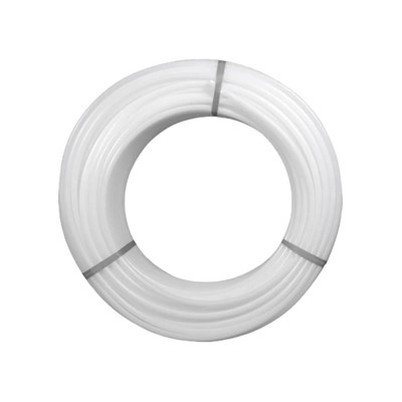
First off, let's talk a bit about PERT pipes. PERT, or Polyethylene of Raised Temperature resistance, is a type of plastic pipe that's widely used in heating and plumbing systems. It's got some great features like flexibility, corrosion resistance, and it can handle high temperatures. That's why it's become so popular. If you're interested in checking out our PERT Tube, you can click PERT Tube.
Now, before we get into the actual connection process, you need to gather the right tools and materials. You'll need a pipe cutter to cut the PERT pipes to the right length. Make sure it's a sharp one so you get a clean cut. You'll also need a pipe expander. This tool is crucial as it helps in creating a proper fit when joining the pipes. And of course, you'll need the appropriate PERT fittings. These come in different shapes and sizes, like elbows, tees, and couplings, depending on your project requirements.
The first step in connecting PERT pipe joints is cutting the pipes. Measure the length you need accurately and mark it on the pipe. Then, use your pipe cutter to make a straight cut. It's really important to have a clean, square cut. If the cut is uneven, it can cause problems with the connection later on. After cutting, use a deburring tool to remove any rough edges or burrs from the cut end of the pipe. This ensures a smooth surface for the connection.
Once you've got your pipes cut and ready, it's time to use the pipe expander. The expander is used to slightly enlarge the end of the pipe so that it can fit over the fitting. Insert the expander into the end of the pipe and slowly expand it until it reaches the right size. Be careful not to over - expand the pipe, as this can weaken it. You'll usually find markings on the expander to guide you on the correct expansion size for different pipe diameters.
Now, let's talk about the fittings. Before inserting the fitting into the expanded end of the pipe, make sure it's clean and free of any dirt or debris. Apply a small amount of pipe lubricant to the fitting. This makes it easier to insert the fitting into the pipe and also helps create a better seal. Slowly and carefully insert the fitting into the expanded end of the pipe. Push it in all the way until it reaches the marked depth on the fitting. You may need to use a bit of force, but don't be too rough.
For some types of PERT pipe connections, you might also need to use a heat fusion method. This is especially true for larger diameter pipes or in applications where a very strong, leak - proof connection is required. In heat fusion, a special heat fusion machine is used to heat both the pipe and the fitting to a specific temperature. Once they're heated, they're quickly joined together and held in place until they cool and fuse. This creates a permanent, seamless connection.


Another important thing to consider is the pressure test. After you've connected all the PERT pipe joints in your system, it's crucial to perform a pressure test. This helps you check for any leaks in the connections. Fill the system with water and use a pressure gauge to increase the pressure to the recommended level. Keep an eye on the pressure for a certain period of time. If the pressure drops, it means there's a leak somewhere. Go back and check all the joints to find and fix the problem.
Now, let's talk about some common mistakes to avoid when connecting PERT pipe joints. One of the biggest mistakes is not using the right tools. Using a dull pipe cutter or an incorrect pipe expander can lead to poor connections. Another mistake is not cleaning the pipes and fittings properly. Dirt and debris can prevent a good seal and cause leaks. Also, don't rush the process. Take your time to make sure each connection is done correctly.
In addition to the technical aspects, it's also important to follow safety precautions. When using tools like pipe cutters and heat fusion machines, wear appropriate safety gear, such as safety glasses and gloves. If you're working with hot pipes during the heat fusion process, be careful not to burn yourself.
So, there you have it! That's how you connect PERT pipe joints. Whether you're working on a small home project or a large commercial installation, getting these connections right is key to a successful plumbing or heating system.
If you're in the market for high - quality PERT pipes and fittings, we're here to help. As a PERT Pipe supplier, we've got a wide range of products to meet your needs. We offer great prices, excellent customer service, and fast delivery. If you're interested in learning more or want to start a procurement discussion, don't hesitate to reach out. We're always happy to talk about your project requirements and find the best solutions for you.
References
- "PERT Pipe Installation Guide" by a leading plumbing industry association
- Manufacturer's manuals for PERT pipes and related tools